Get your free personalized podcast brief
We scan new podcasts and send you the top 5 insights daily.
Once a niche internet trend is adopted by a large, corporate brand for a marketing campaign, it signals mass saturation. This act effectively kills the trend's 'cool' factor among its original audience, marking the end of its organic lifecycle.

Related Insights
The power of reacting to a cultural moment lies in its perceived spontaneity. If a brand attempts this too often, consumers will see it as a calculated marketing ploy rather than a genuine response. The strategy must be reserved for select moments to remain effective.
Nutter Butter, a 55-year-old brand, successfully engaged a younger audience by embracing absurdist, meme-style humor. This risky strategy, while potentially alienating some, is effective for generating deep brand love because it requires taking a bold, creative stand.
Brands jumping on viral memes may see a temporary spike in views, but it's a hollow victory. Consumers remember the trend itself, not the brand's participation in it. This common social media tactic fails to build brand equity or impact the bottom line.

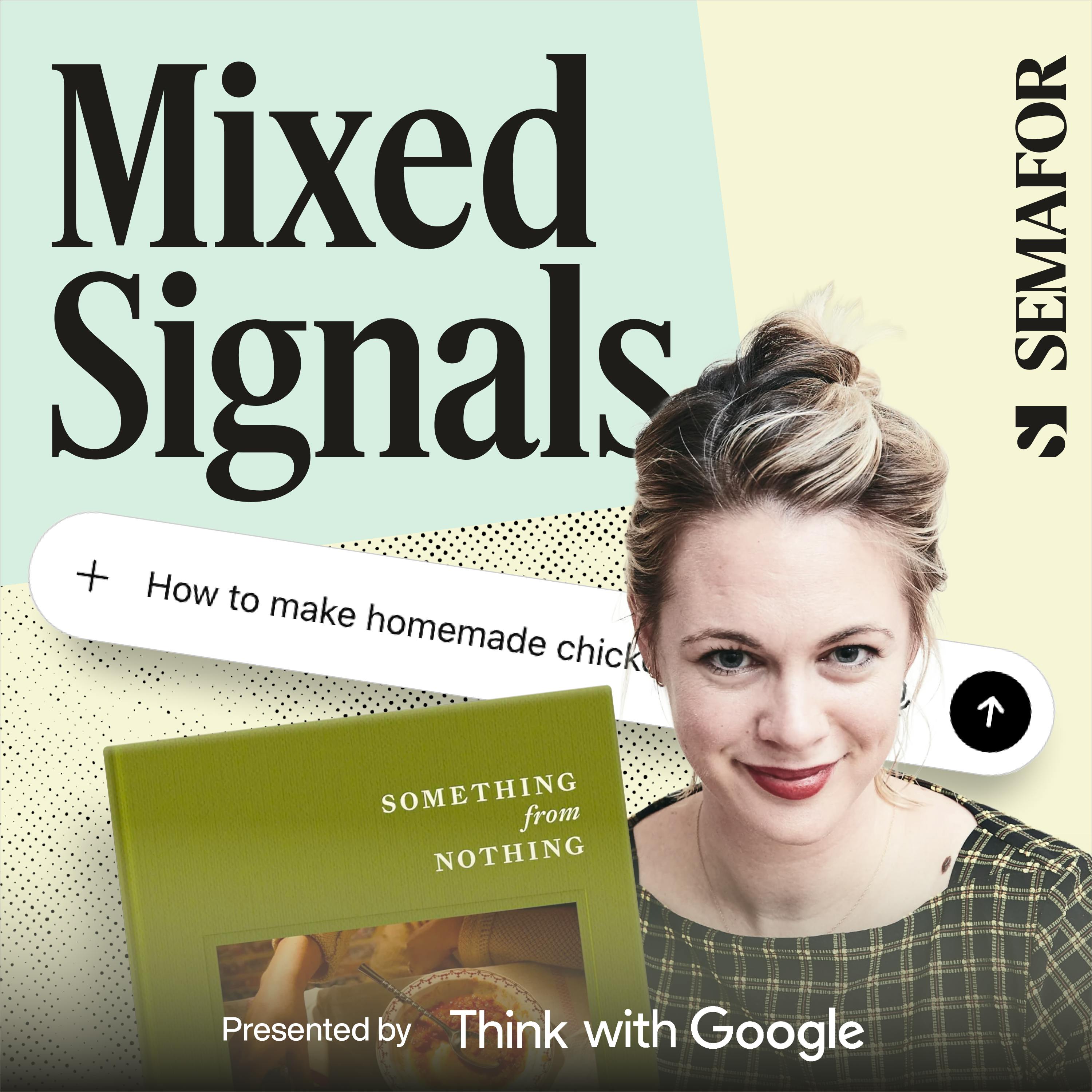
The creator of internet-famous recipes argues the sheer volume of content means the conditions for one item to dominate the cultural conversation no longer exist. "Everyone's famous, nothing's famous," she says, making true breakout virality a relic of the past.
Hershey's launch of a Dubai Chocolate product a full year after the flavor went viral on social media highlights a critical agility gap. The slow product development cycles of large corporations cannot keep pace with fast-moving digital trends, causing them to miss the peak of consumer interest and appear out of touch.

The "candy salad," a consumer-driven trend on TikTok to combat candy inflation, was quickly adopted and productized by Ferrara (owner of Nutella) with a dedicated kit. This shows how major CPG brands now monitor social platforms to rapidly identify and capitalize on organic consumer behavior.
A social media trend, like the 'Dubai chocolate' flavor, transitions from a fleeting fad to a bankable opportunity when embraced by multiple large companies like Starbucks and Shake Shack. Their simultaneous adoption signals genuine, widespread consumer demand worth investing in.

Philosopher Jean Baudrillard's theory of "simulacra"—where representations become independent of reality—perfectly models the meme stock phenomenon. The stock's price becomes a "third-order simulacrum," taking on a life of its own driven by narrative, detached from the company's actual performance.

The next marketing wave isn't chasing viral trends, which builds trend recall but not brand recall. Instead, brands must create immersive, episodic 'worlds' that function as standalone entertainment. This shifts the goal from grabbing attention to holding it through compelling, serialized content.

For a brand like Crocs, achieving top seller status on a trend-driven platform like TikTok is a sign of faddish popularity, which is inherently fragile. Unlike businesses with durable advantages based on physics or infrastructure (like railroads), success on TikTok signals high risk of a rapid decline once trends shift.