Get your free personalized podcast brief
We scan new podcasts and send you the top 5 insights daily.
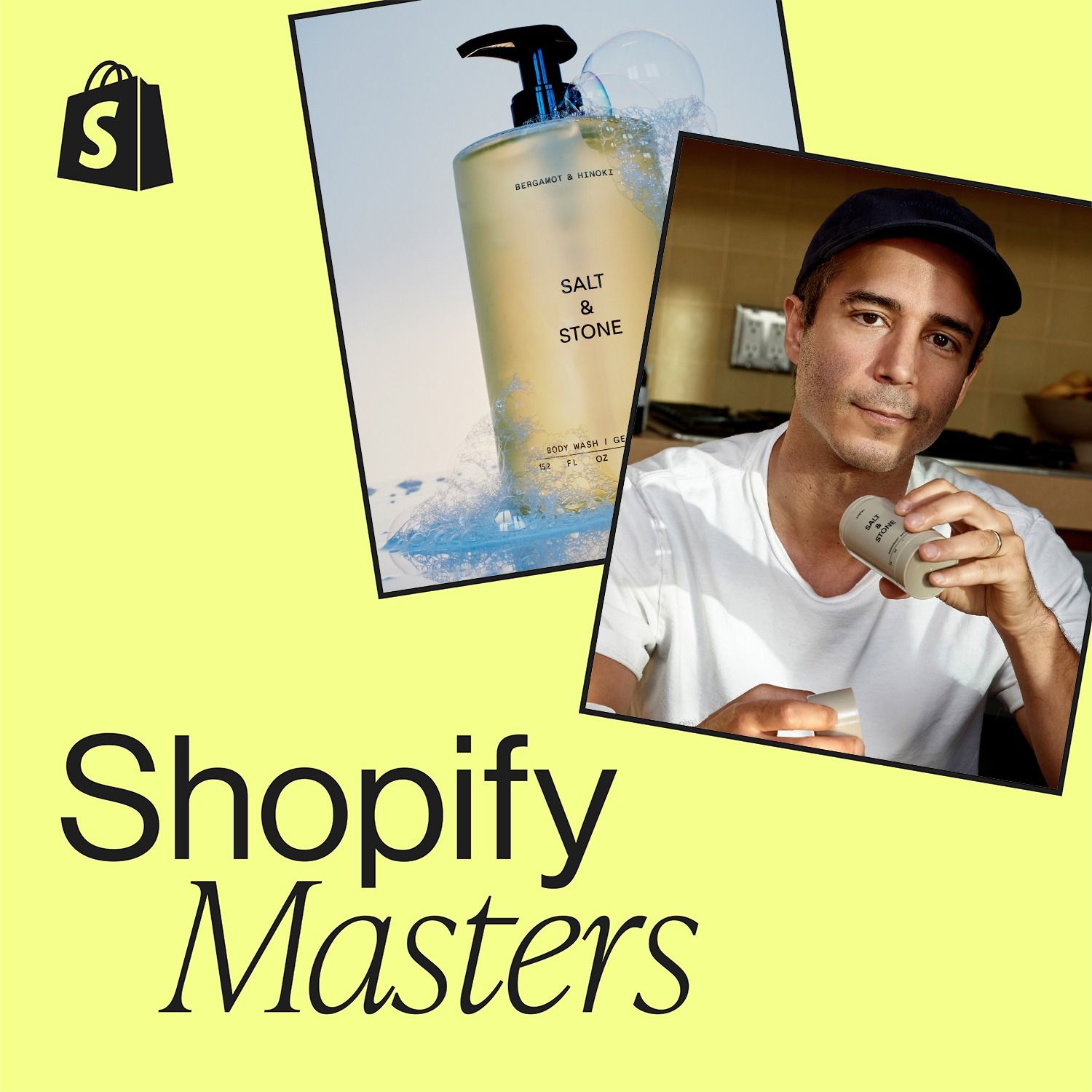
Rather than outsourcing brand creation, founder Nima Jalali dedicated six months to mastering advertising himself. He personally directed everything from model selection to ad copy in Figma. This hands-on approach embedded his vision directly into the brand's DNA from the start, ensuring authenticity and consistency.

Related Insights
Instead of pushing products onto retailers with a sales force, Salt & Stone focused intensely on building brand desire through superior product and digital ads. This created a "pull" effect where retailers proactively sought them out, fundamentally changing the sales dynamic and cost structure.
On a shoestring budget, the highest-leverage branding activity is achieving clarity on the business vision, target audience, and differentiation. Investing in a brand strategist to define this foundation is more critical than spending money on visual assets that may need to be redone later.

Working for a founder who understands marketing (e.g., a former CMO) creates a high-trust environment. This empowers marketing teams to invest in long-term brand building and creative initiatives that are notoriously hard to attribute, without being handcuffed by demands to prove the ROI of every dollar spent.

Founder Nima Jalali ran Salt & Stone solo for the first three years. His first hire wasn't in sales or marketing, but an operations expert to handle logistics and finance. This two-person team then ran the rapidly growing business for another 3-4 years, demonstrating an incredibly lean model for scaling a CPG brand.
Before scaling paid acquisition, invest in a robust brand system. A well-defined brand DNA (art direction, voice, tone) is not a vanity project; it's the necessary infrastructure to efficiently generate the thousands of cohesive creative assets required to test and scale performance marketing campaigns successfully.

To create a brand that outlasts any individual, founder Nima Jalali avoids making his pro-snowboarder background the central marketing story. He believes a brand’s narrative should be bigger than one person's story to achieve true longevity, comparing it to how Apple markets the iPhone, not Steve Jobs.
The era of simply 'slapping a celebrity face' on a product is over. Modern consumers demand authenticity. Successful brands like Fenty and Rare Beauty thrive because their founders are deeply involved, knowledgeable about the products, and genuinely connected to a larger mission, such as inclusivity or mental health.

Founder Nima Jalali intentionally designed packaging, branding, and content to feel large and established from day one. This strategy attracted customers and premium retailers by projecting success long before the company achieved scale, bucking the trend of appearing like a scrappy startup.
Sandals founder Butch Stewart didn't wait for profits to reinvest in advertising. He spent millions upfront because he believed the most valuable and difficult real estate to build is the brand's position in a consumer's mind. This 'spend bigger to earn bigger' mindset established the brand's identity early.

While competing DTC beauty brands followed a repetitive influencer-driven playbook, Salt & Stone's founder drew inspiration from legacy lifestyle brands like Nike. This cross-industry approach informed a different brand strategy, allowing them to break through the noise with a unique aesthetic and feel in a crowded market.