Get your free personalized podcast brief
We scan new podcasts and send you the top 5 insights daily.
The founder of an "OpenClaw in a box" service argues the agent's power lies in its tools. The most competitive platforms will pre-equip agents with wallets, email, stealth browsers, and API access, turning them into highly capable, autonomous digital entities.

Related Insights
Platforms like Nebula allow founders to move beyond simple automation. By providing a high-level directive and connecting services, AI agents can run entire business functions, like a content blog that researches, writes, and publishes daily with minimal human intervention.

The emergence of personal AI assistants that can be integrated with private data (email, Slack) and execute tasks (send emails, build CRMs) represents a new paradigm. This moves AI from a passive research tool to an active, autonomous agent capable of performing complex knowledge work, fundamentally changing productivity.
Superhuman Go is not just another AI assistant; it's a platform designed to be the "mass transit" for third-party AI agents. By providing the underlying infrastructure, they enable partners like Radical Candor to embed their unique knowledge directly into users' workflows across any application, a powerful distribution strategy.
Major AI platforms are becoming "super agents" that connect to a user's software (e.g., email, YouTube) and use "skills" to perform complex, autonomous tasks. This convergence means the choice of platform is becoming a matter of user interface and integration preference rather than unique functionality.

Tools like ChatGPT are AI models you converse with, requiring constant input for each step. Autonomous agents like OpenClaw represent a fundamental shift where users delegate outcomes, not just tasks. The AI works autonomously to manage calendars, send emails, or check-in for flights without step-by-step human guidance.
The nascent AI agent ecosystem lacks effective discovery mechanisms for third-party tools ('skills'). This creates an opportunity for curated marketplaces that help users find, vet, and even pay for high-quality, trustworthy agent capabilities, solving a key bottleneck to adoption.
Unlike other AI models, OpenClaw can be tasked to figure out how to interact with a new service (like email) and write a reusable "skill" for it. This self-learning capability allows it to continuously expand its own functionality without manual coding.
Node-based workflow builders (like N8N or Zapier) require manual system design. The future is AI agents that, given access to tools and skills, can dynamically orchestrate the same complex workflows. The focus shifts from engineering a system to empowering a smart agent.
Clawdbot can autonomously identify market trends (like X's new article feature), propose new product features, and even write the code for them, acting more like a chief of staff than a simple task-doer.
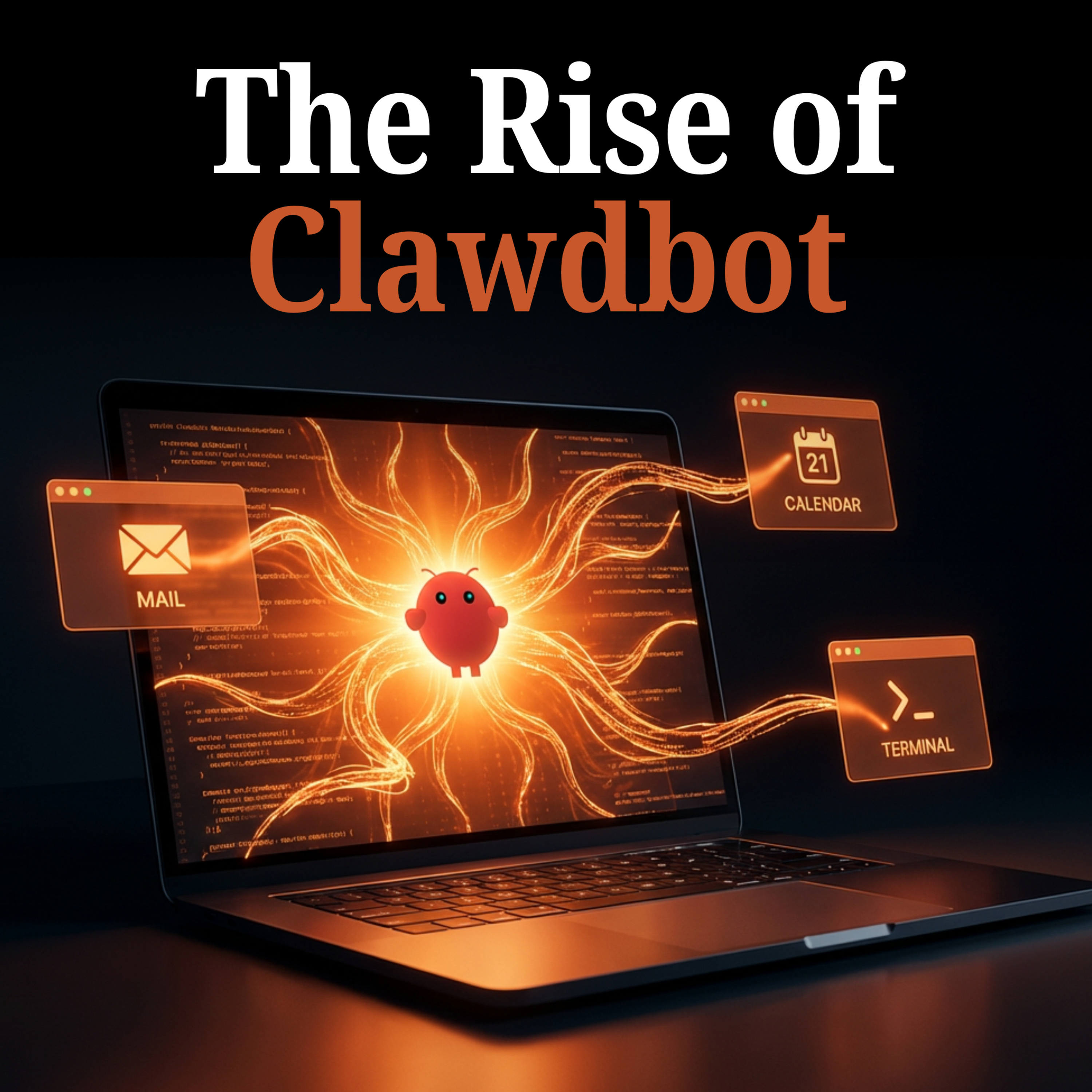
The paradigm shift with AI agents is from "tools to click buttons in" (like CRMs) to autonomous systems that work for you in the background. This is a new form of productivity, akin to delegating tasks to a team member rather than just using a better tool yourself.