Get your free personalized podcast brief
We scan new podcasts and send you the top 5 insights daily.
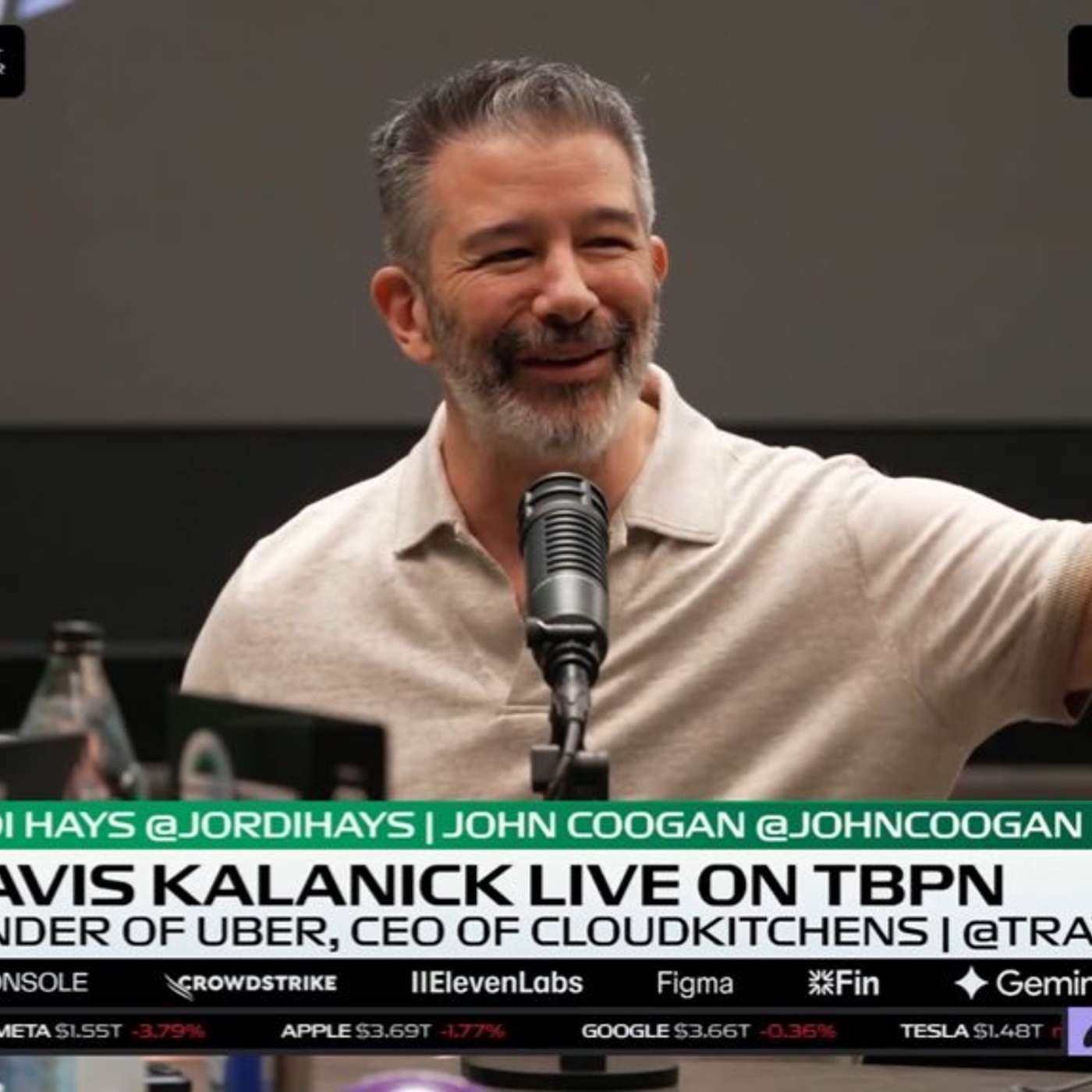
Kalanick's strategy involves creating a core autonomous mobility technology that acts as a 'wheelbase for robots.' This horizontal platform serves as the foundation for various specialized, vertical-specific applications, from mining haulage to food delivery. This model creates immense leverage from a single, powerful tech stack.

Related Insights
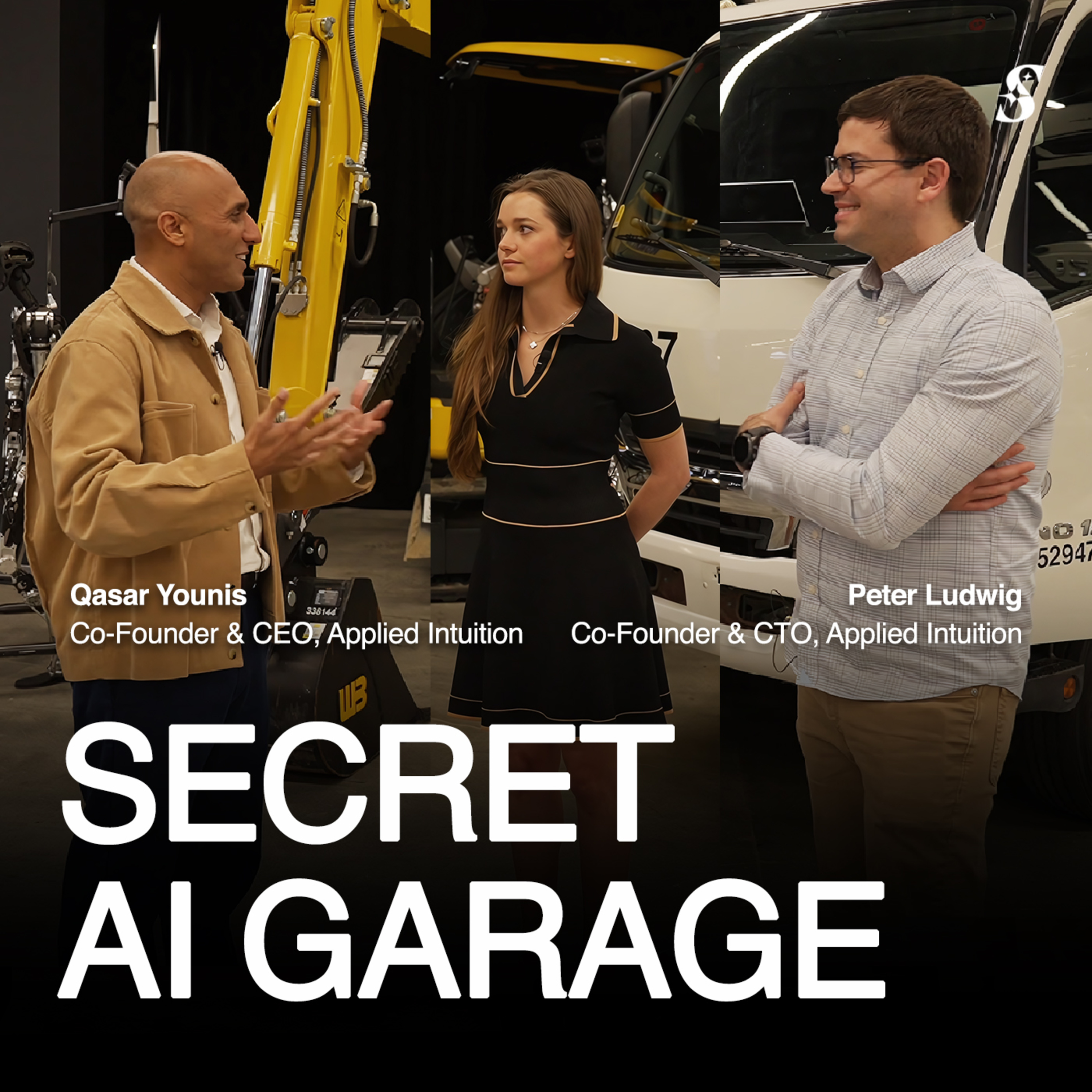
Applied Intuition uses the same fundamental software platform across cars, trucks, boats, and construction equipment. This is possible because all are machines interacting with the physical world governed by consistent laws of physics, enabling a scalable "Teslification" of multiple industrial sectors with a single core technology.
After a fatal accident with its own AV program, Uber pivoted. Instead of building cars, its long-term strategy is to be the essential demand-generation platform for every AV manufacturer, aiming to maximize the utilization and revenue of any "box with wheels" from any company.

Kalanick uses a framework that maps core computing resources to the physical world: manufacturing is the CPU (manipulating atoms), real estate is storage (storing atoms), and transport is the network (moving atoms). This "digitizing the physical world" philosophy unites his work at Uber, CloudKitchens, and his new robotics ventures.

Travis Kalanick conceptualizes physical world problems using an "atoms-based computer" analogy. In this model, manufacturing is the CPU (processes atoms), real estate is storage, and logistics is the network. This provides a first-principles mental model for revolutionizing industries like food and mining.

The neural nets powering autonomous vehicles are highly generalizable, with 80-90% of the underlying software being directly applicable to other verticals like trucking. A company's long-term value lies in its scaled driving data and core AI competency, not its initial target market.

Autonomous commerce will be a multimodal ecosystem using drones, sidewalk bots, and AVs. This creates a massive integration problem for retailers. The winning strategy is not building one vehicle, but creating the universal orchestration layer that allows retailers to manage all autonomous delivery form factors seamlessly.
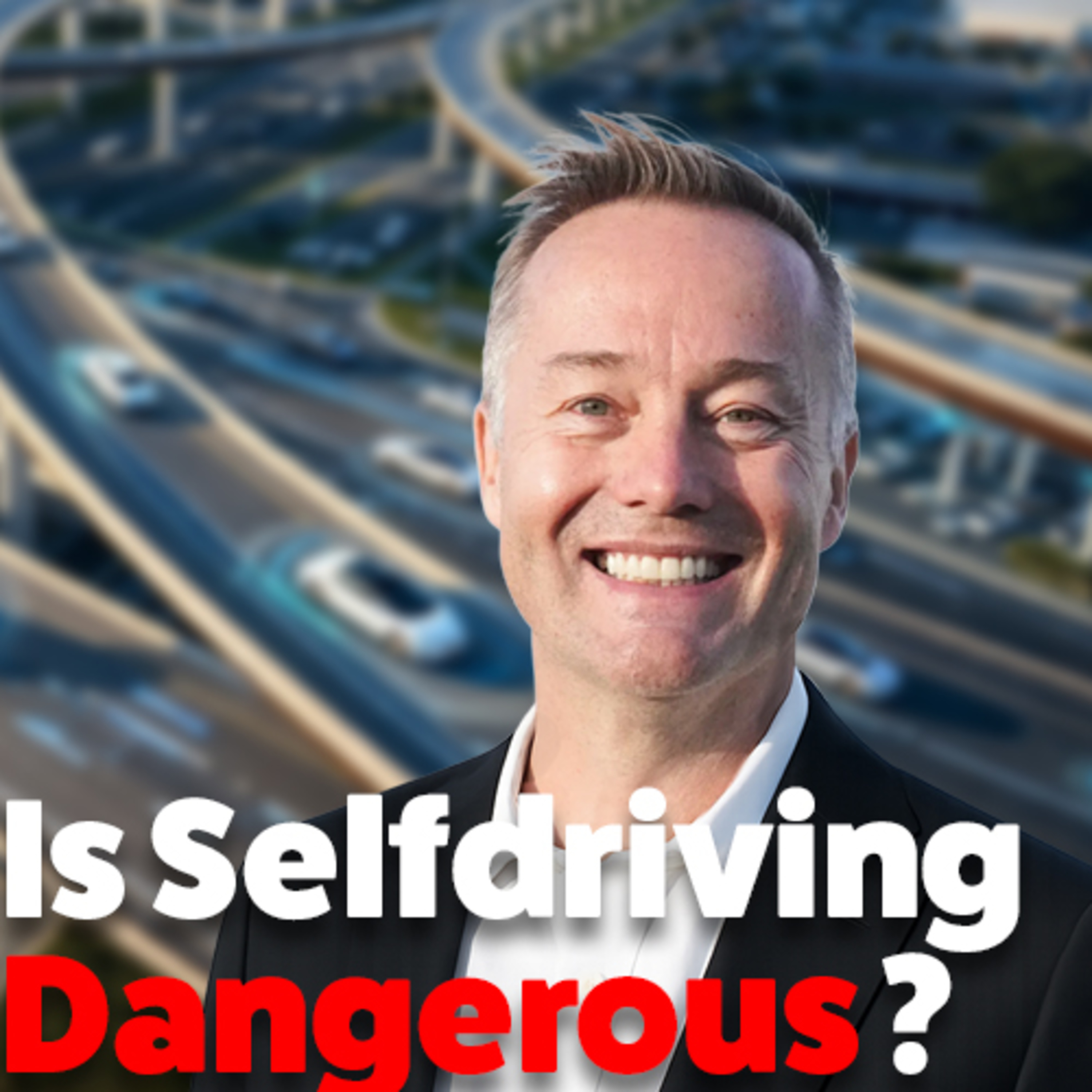
Skydio intentionally spent its first decade focused on a single drone type. This patient approach allowed them to mature a core technology stack which now functions as a platform, enabling them to rapidly launch new drone form factors.

Uber believes the autonomous vehicle space will have multiple winners, not one. Their strategy is not to build the best "digital driver" but to become the indispensable demand aggregator and ecosystem provider—offering fleet management, charging, and insurance—for all AV companies, ensuring their relevance regardless of who wins the technology race.
![Dara Khosrowshahi - Uber's Bet on AVs, AI, and Building a Super-App - [Invest Like the Best, EP.476] thumbnail](https://megaphone.imgix.net/podcasts/ef669774-cccd-11ed-889b-c36caad6646f/image/158efdddfb983d2678b3530d484e8aa2.jpg?ixlib=rails-4.3.1&max-w=3000&max-h=3000&fit=crop&auto=format,compress)
Rather than competing vertically like Tesla, Applied Intuition is pursuing a horizontal strategy, akin to a chip maker. They provide the core intelligence and tools, enabling established manufacturers to build their own autonomous systems, fostering deep, long-term partnerships based on trust.

Kalanick's grand strategy is based on a framework where atoms are treated like bits. Manufacturing manipulates atoms (CPU), real estate stores them (Storage), and logistics moves them (Network). This model explains his career progression from Uber (Network) to Cloud Kitchens (Storage) and now robotics (CPU).