Get your free personalized podcast brief
We scan new podcasts and send you the top 5 insights daily.
Rather than competing vertically like Tesla, Applied Intuition is pursuing a horizontal strategy, akin to a chip maker. They provide the core intelligence and tools, enabling established manufacturers to build their own autonomous systems, fostering deep, long-term partnerships based on trust.

Related Insights
Applied Intuition uses the same fundamental software platform across cars, trucks, boats, and construction equipment. This is possible because all are machines interacting with the physical world governed by consistent laws of physics, enabling a scalable "Teslification" of multiple industrial sectors with a single core technology.
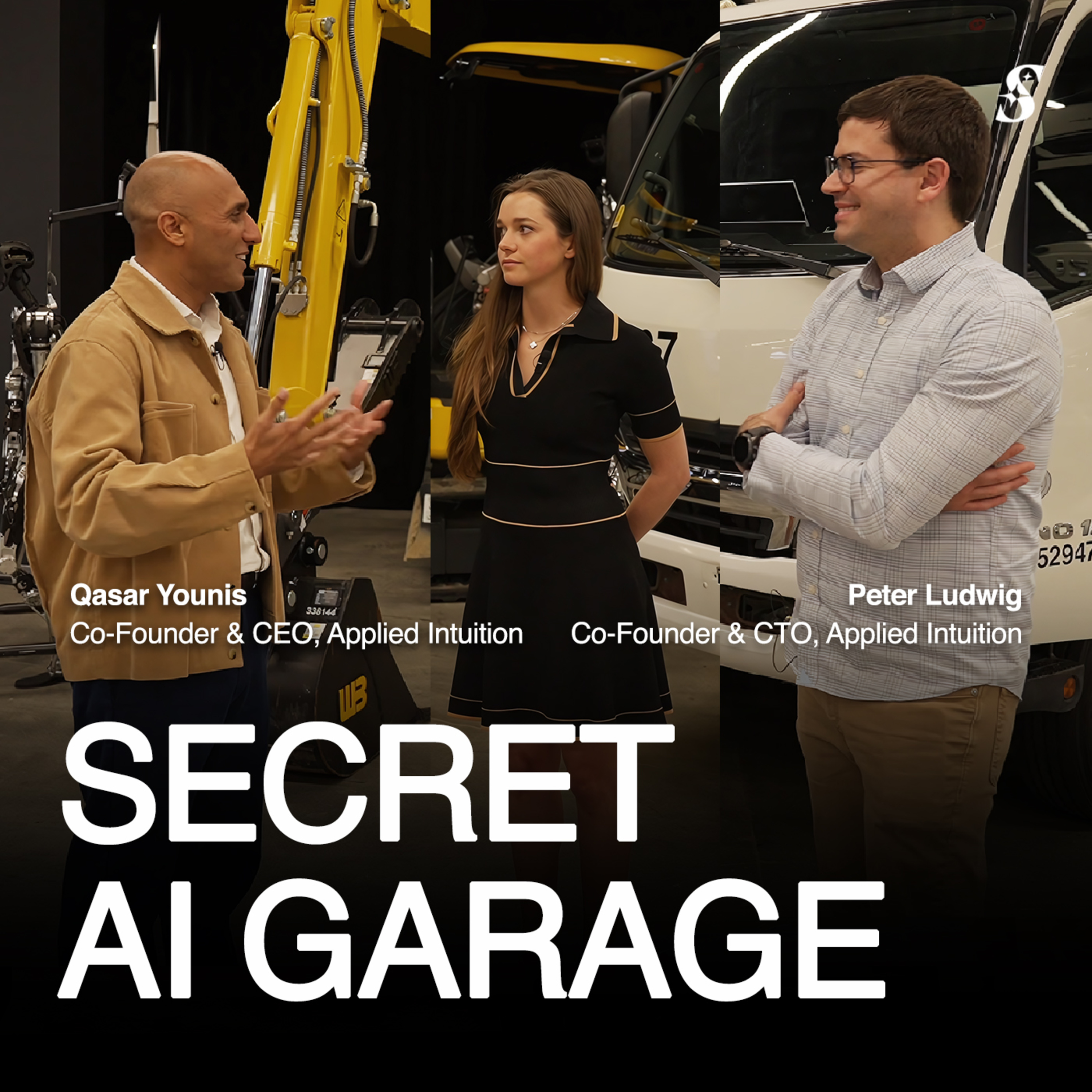
The company avoids channel conflict with its automotive customers by positioning itself strictly as a technology supplier, not a consumer brand. They sell operating systems and autonomy models to manufacturers, who in turn sell the final cars to consumers. This pure B2B focus prevents direct competition.
Instead of building expensive, bespoke military hardware, the company retrofits commercially available vehicles like the Ford F-150 with autonomy. This strategy creates "affordable mass" for the military, deploying robust systems at a fraction of the cost without risking human lives in commercial-grade vehicles on the battlefield.
Apple crushed competitors by creating its M-series chips, which delivered superior performance through tight integration with its software. Tesla is following this playbook by designing its own AI chips, enabling a cohesive and hyper-efficient system for its cars and robots.

NVIDIA is releasing an open-source, end-to-end AI software and hardware stack for autonomous driving. This strategy mimics Google's Android playbook: by enabling any automaker to build self-driving cars, NVIDIA aims to sell more of its onboard computers and dominate the chip market.
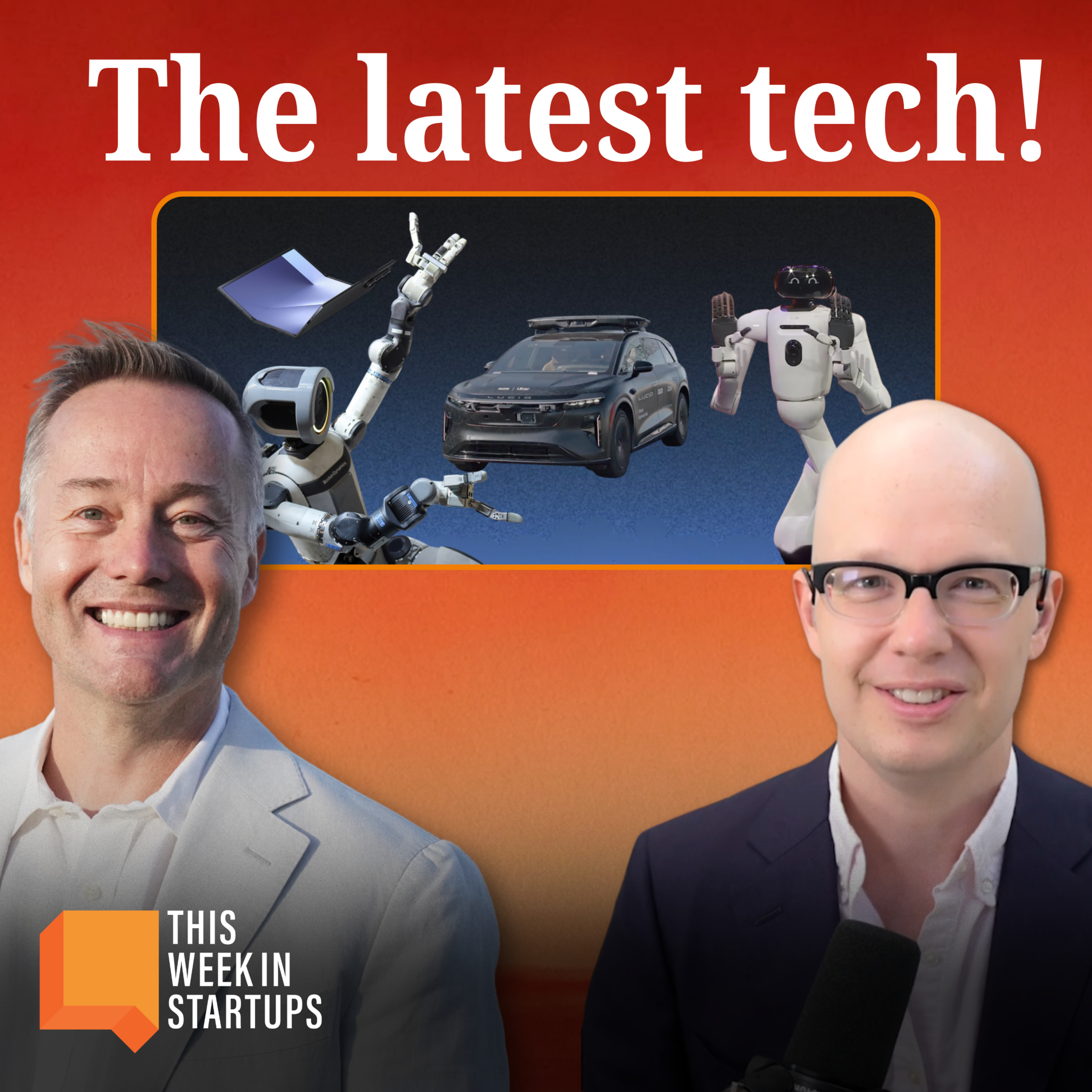
Instead of building its own capital-intensive robotaxi fleet, Waive's go-to-market strategy is to sell its autonomous driving stack to major auto manufacturers. This software-centric approach allows them to leverage the scale, distribution, and hardware infrastructure of established OEMs to reach millions of consumers.

Self-driving company Wave found that automakers want one technology partner for the entire autonomy spectrum, from driver-assist (L2) to full self-driving (L4). This streamlines integration, speeds up development, and allows data from lower-level systems to improve the higher-level ones, creating a powerful flywheel.

Traditional vehicles have complex, disparate wiring and compute systems. Applied Intuition first simplifies this into a centralized "one box" architecture, which is a necessary step before they can effectively deploy advanced autonomy and AI capabilities, much like developing apps for a modern smartphone.
Instead of competing in the high-risk race to build autonomous vehicles, Uber is creating the ecosystem around them. By offering services like insurance, data, and fleet support to all AV companies, Uber positions itself to profit regardless of which car manufacturer wins.

NVIDIA's flexible, multi-layered platform strategy allows automakers to choose between a full turnkey solution or select components. This enables NVIDIA to collaborate even with companies like Tesla, which design their own inference chips, by providing essential cloud, simulation, and training infrastructure.
