Get your free personalized podcast brief
We scan new podcasts and send you the top 5 insights daily.
When major diaper brands refused to sell to them, Diapers.com bought all inventory from the brands' key wholesale customers (Costco, BJ's). This created a problem for manufacturers, forcing them to establish a direct supply relationship to appease their large retail partners.

Related Insights
To launch, Diapers.com bought products at full price from wholesale clubs like Costco. This "do things that don't scale" approach proved demand and built a customer base before they had manufacturer deals, despite losing more money per order.
Plant Material vets its hard-good suppliers based on their online pricing strategy. If a brand allows its products to be sold at wholesale prices directly to consumers online, the company won't carry them, proactively protecting its ability to compete and maintain retail margins.

To prevent its suppliers from going bankrupt if contracts were cut, Apple mandated that no supplier could be more than 50% dependent on its business. This forced highly-trained manufacturers to find other customers, directly enabling the rise of sophisticated Chinese smartphone brands like Huawei and Xiaomi.

To combat razor-thin margins, Diapers.com's key innovation was deep logistics optimization. They hired a PhD in nuclear physics to develop an algorithm that calculated the perfect box size for every order, minimizing dimensional weight shipping charges and making their loss-leader model viable.
You don't need massive scale to achieve group-purchasing power. By finding another company with a similar order and simply doubling the volume presented to a factory, a sourcing platform can negotiate price drops of 20-30%. This makes demand aggregation highly effective even at an early stage.
Despite a profitable affiliate model, Babylist was heavily reliant on a few large retailers. They chose to enter the complex, lower-margin world of direct e-commerce and warehousing primarily to mitigate platform risk and control their own destiny, not for short-term profit.
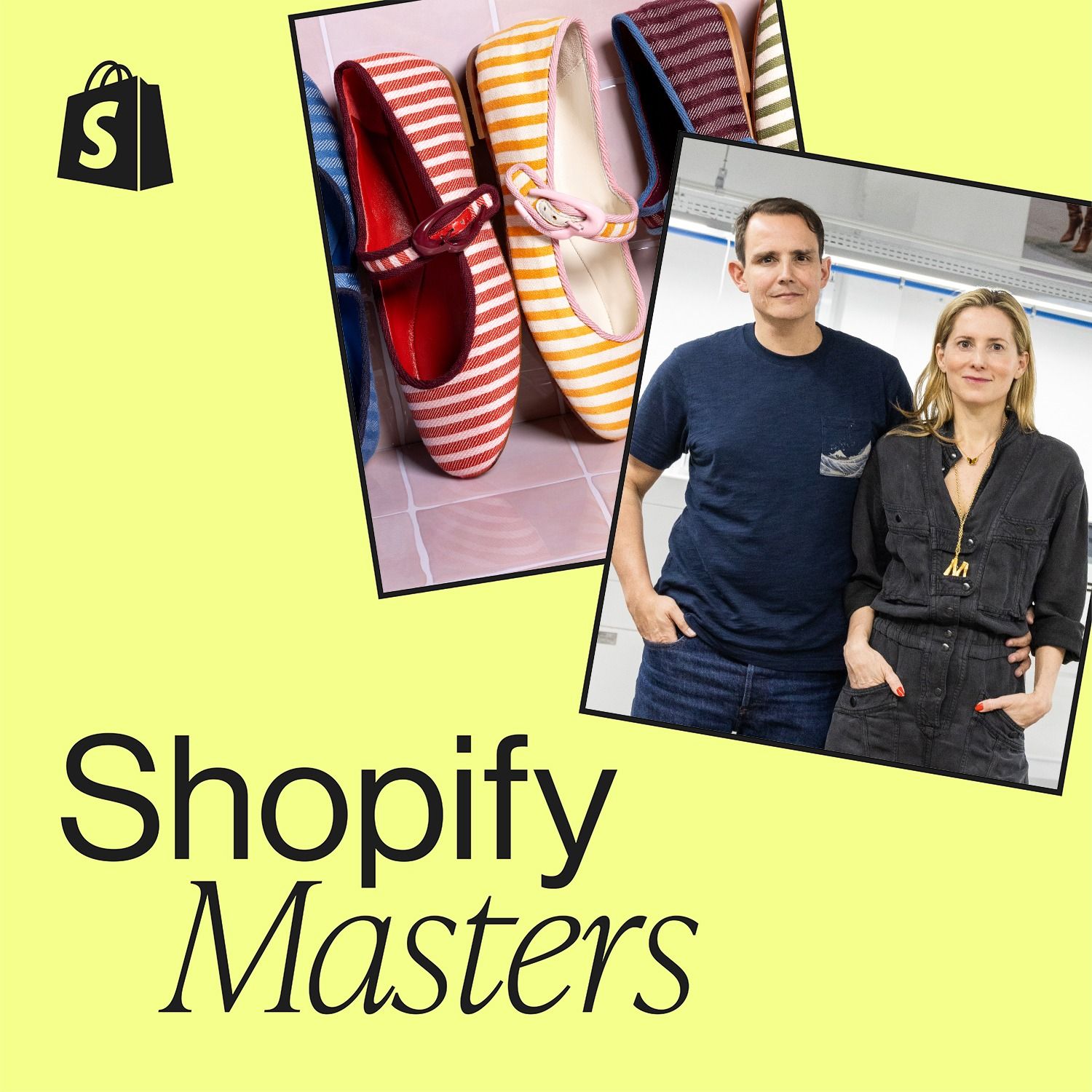
For D2C fashion brands, the inability of third-party suppliers to quickly fulfill reorders on trending products is a key trigger for vertical integration. Larroudé's co-founder realized the cost of one large factory order was equivalent to buying the machinery himself, enabling them to meet demand in weeks, not months.
Home Depot became the default shopping destination for so many customers that manufacturers faced a choice: sell through Home Depot or lose access to consumers who wouldn't seek them elsewhere. This created a powerful network effect where scale attracted key suppliers, which reinforced customer loyalty and solidified their market dominance.

During post-COVID supply chain disruptions, Simple Mills viewed the chaos as an opportunity. While competitors struggled with an 80% fill rate for retailer orders, Simple Mills invested to maintain 96%. This reliability built immense retailer trust and ensured their product was always on the shelf, allowing them to capture competitor market share.

When Diapers.com received a higher acquisition offer, Amazon stated they would "take the price of diapers to zero" and used explicit language to describe how they would harm the business. This forced Diapers.com to accept Amazon's lower offer, showcasing the harsh realities of competing with a dominant market player.