Get your free personalized podcast brief
We scan new podcasts and send you the top 5 insights daily.
When Diapers.com received a higher acquisition offer, Amazon stated they would "take the price of diapers to zero" and used explicit language to describe how they would harm the business. This forced Diapers.com to accept Amazon's lower offer, showcasing the harsh realities of competing with a dominant market player.

Related Insights
Amazon's early AWS strategy was a masterstroke in competitive deterrence. By constantly cutting prices and hiding AWS's immense profitability within Amazon's overall financials, Bezos made the cloud market appear to be a low-margin, brutal business, scaring off potential competitors for years.

In a competitive M&A process where the target is reluctant, a marginal price increase may not work. A winning strategy can be to 'overpay' significantly. This makes the offer financially indefensible for the board to reject and immediately ends the bidding process, guaranteeing the acquisition.
![Ari Emanuel - The Anti-AI Bet - [Invest Like the Best, EP.448] thumbnail](https://megaphone.imgix.net/podcasts/c5910280-c4dd-11f0-94be-ab6a7a5865b0/image/1e5a2263eb62fcde200846919e24419a.jpg?ixlib=rails-4.3.1&max-w=3000&max-h=3000&fit=crop&auto=format,compress)
By not countering Paramount's bid for Warner Bros., Netflix collected a breakup fee and pushed its competitor into a highly leveraged position. This financial pressure may force the new Paramount-WBD entity to license its premium content to Netflix for short-term cash.
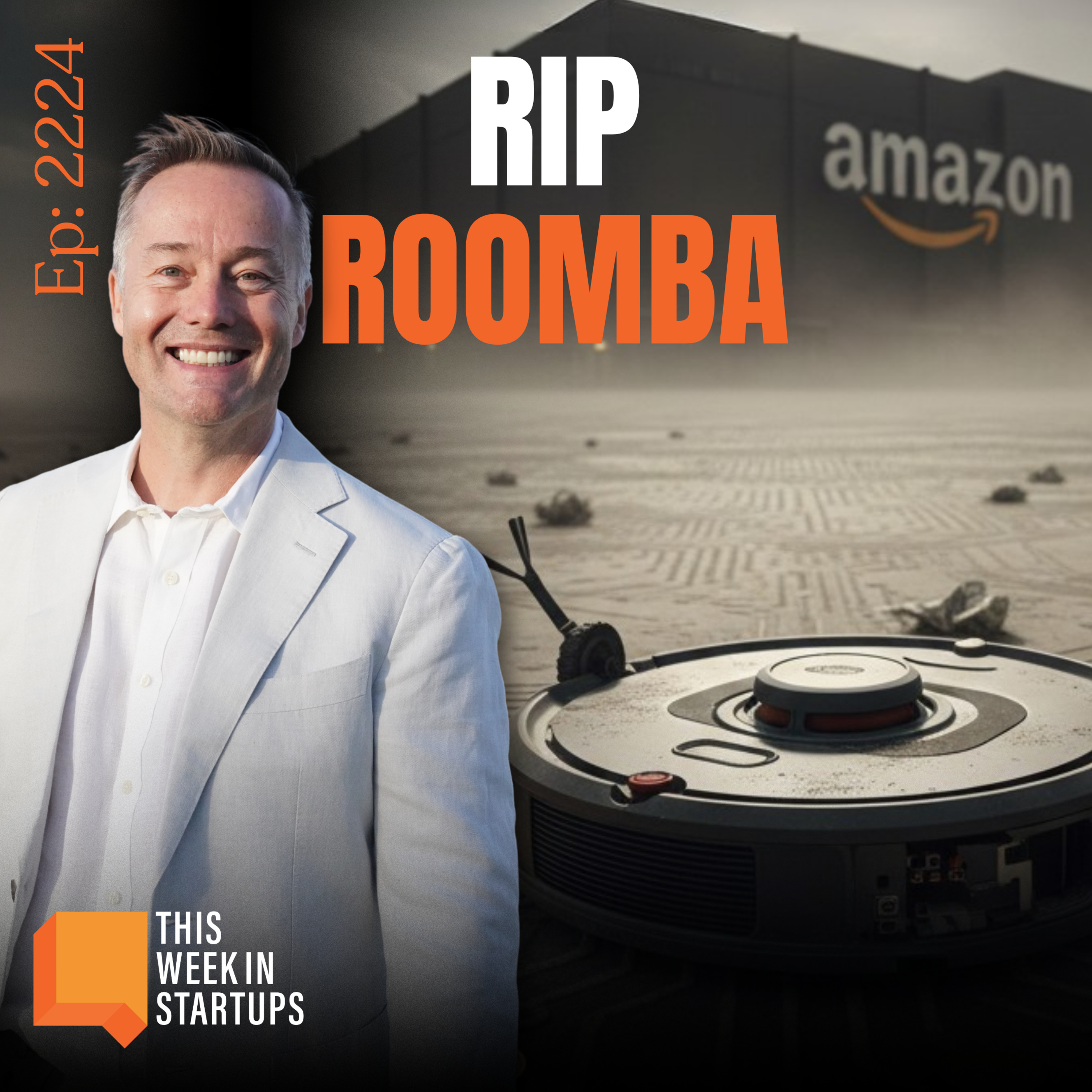
After regulators blocked Amazon’s $1.7B acquisition of iRobot, the robotics company went bankrupt. Its assets and IP were then acquired by its Chinese contract manufacturer, illustrating how antitrust actions intended to protect competition can inadvertently destroy American companies and cede technology to foreign entities.
Netflix's bid for Warner Bros was a masterstroke that drove up the price, forcing competitor Paramount into a highly leveraged acquisition with a difficult integration. Netflix not only weakened two rivals but also collected a $2.8 billion breakup fee in the process.

Amazon's "Buy For Me" feature uses AI agents to purchase products from third-party websites, including competitor Shopify stores. This strategy allows Amazon to expand its product catalog by absorbing others' inventory while simultaneously blocking its own site from rival AI crawlers, creating a powerful competitive moat.

To compete, ticketing rival SeatGeek created "retaliation insurance" for venues. This unique financial product was designed to cover losses if Live Nation withheld artists from venues that dropped Ticketmaster, highlighting the market's perception of Live Nation's coercive power.

In the Warner Bros. Discovery bidding war, Netflix strategically drove up the price. This forced its rival, Paramount, to take on massive debt to win the deal, while Netflix walked away with a multi-billion dollar termination fee, weakening two competitors in one move.
When major diaper brands refused to sell to them, Diapers.com bought all inventory from the brands' key wholesale customers (Costco, BJ's). This created a problem for manufacturers, forcing them to establish a direct supply relationship to appease their large retail partners.
In a public company M&A battle, the fight extends beyond the offer price. The Paramount camp actively messages how Netflix's stock has dropped since the deal was announced, attempting to create shareholder pressure that prevents Netflix's board from increasing its bid.