Get your free personalized podcast brief
We scan new podcasts and send you the top 5 insights daily.
The complex, codified U.S. sanctions regime prevents the use of traditional economic and development tools that would be essential to support a successful reform process in Cuba, creating a self-defeating policy paradox.

Related Insights
U.S. sanctions, intended to pressure the Venezuelan regime, create a legal barrier that prevents creditors and the government from even beginning negotiations on restructuring its defaulted debt. The path to resolution is ironically blocked by the very policy designed to force it.

The Cuban government failed to implement necessary economic reforms during the 'Obama window' of opportunity, leaving the economy fragile and far more susceptible to the subsequent 'maximum pressure' campaign from the U.S.
Private small and medium-sized businesses, legalized in 2021, have become vital for Cubans' survival, paying up to 10 times state salaries. However, the Communist Party remains ambivalent, creating a climate of legal uncertainty for entrepreneurs who are essential to the economy.
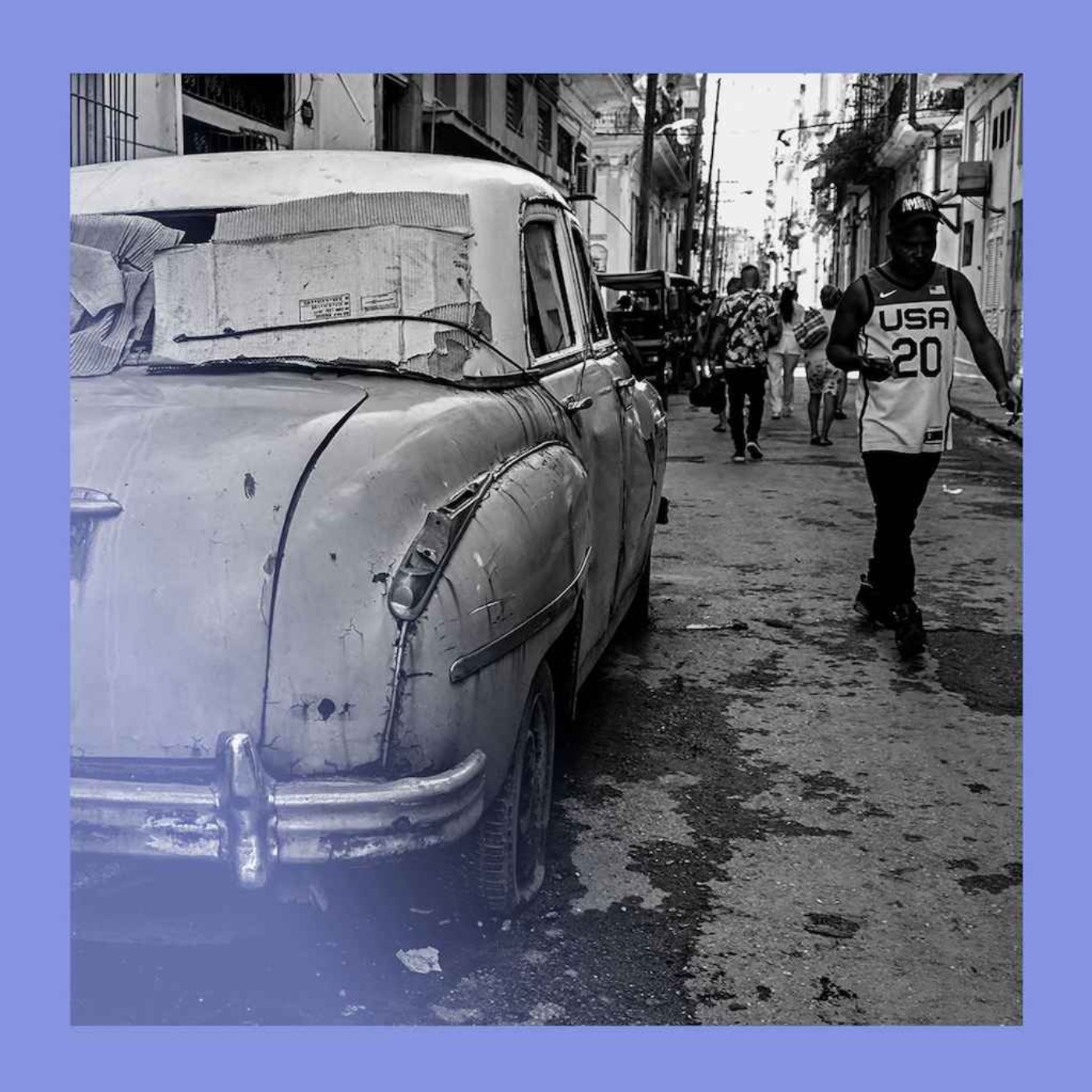
Despite facing extreme economic scarcity, crippling power outages, and decades of US pressure, the Cuban government's collapse is not imminent. Analysts warn against underestimating the regime's staying power, citing its highly disciplined organization and a core of revolutionaries who have defied predictions of their demise.
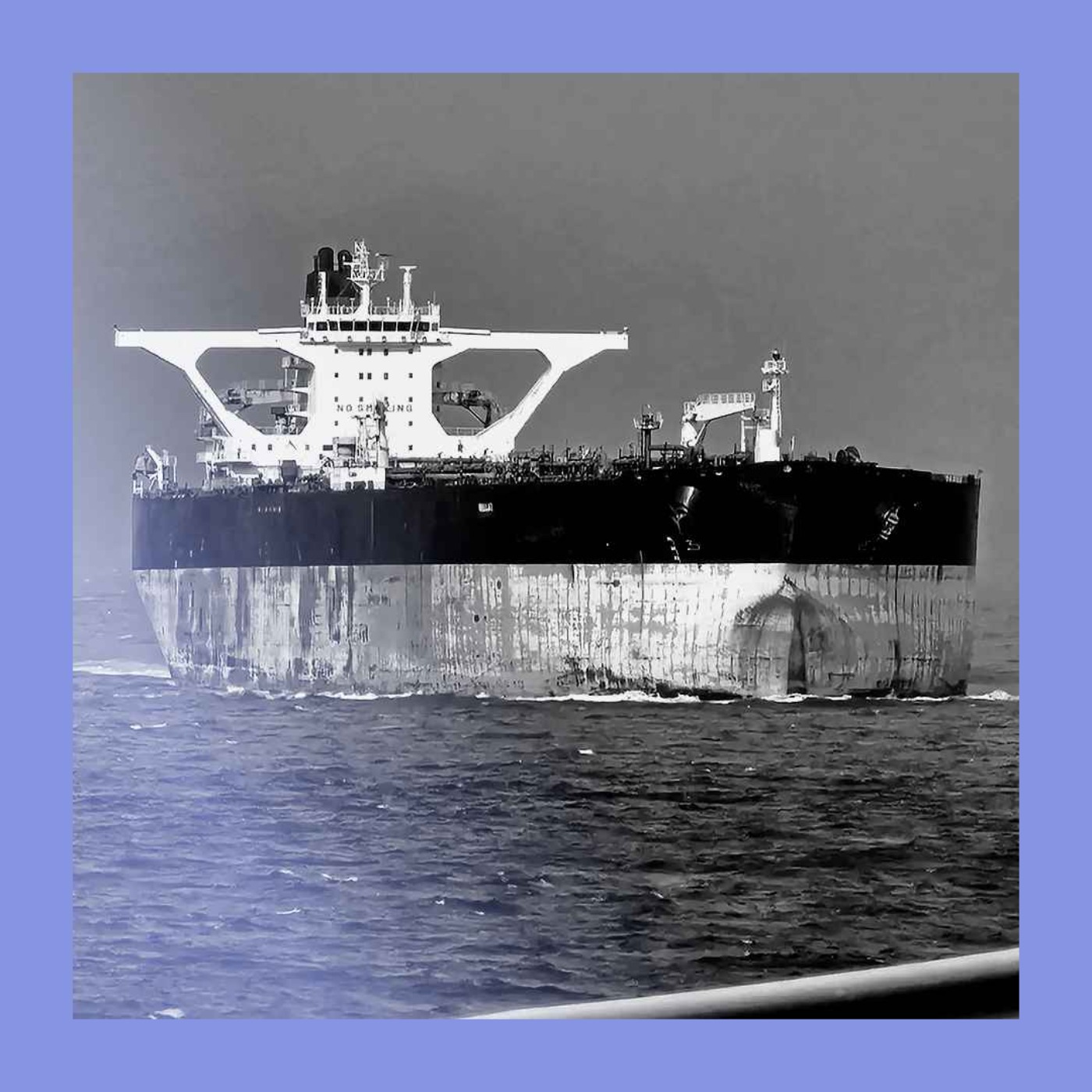
Each time the U.S. uses financial sanctions, it demonstrates the risks of relying on the dollar system. This incentivizes adversaries like Russia and China to accelerate the development of parallel financial infrastructure, weakening the dollar's long-term network effect and dominance.

The goal was to give Cubans a taste of economic freedom and normality, creating internal pressure for change that would overwhelm the government's capacity to control the pace of reform. It was a strategy of 'corrosive normality'.
The US strategy in Cuba may not be to oust the Castro family entirely, but to replace the current president while leaving the core power structure and even Castro relatives intact. This mirrors the approach in Venezuela, suggesting a pragmatic rather than purely ideological goal.
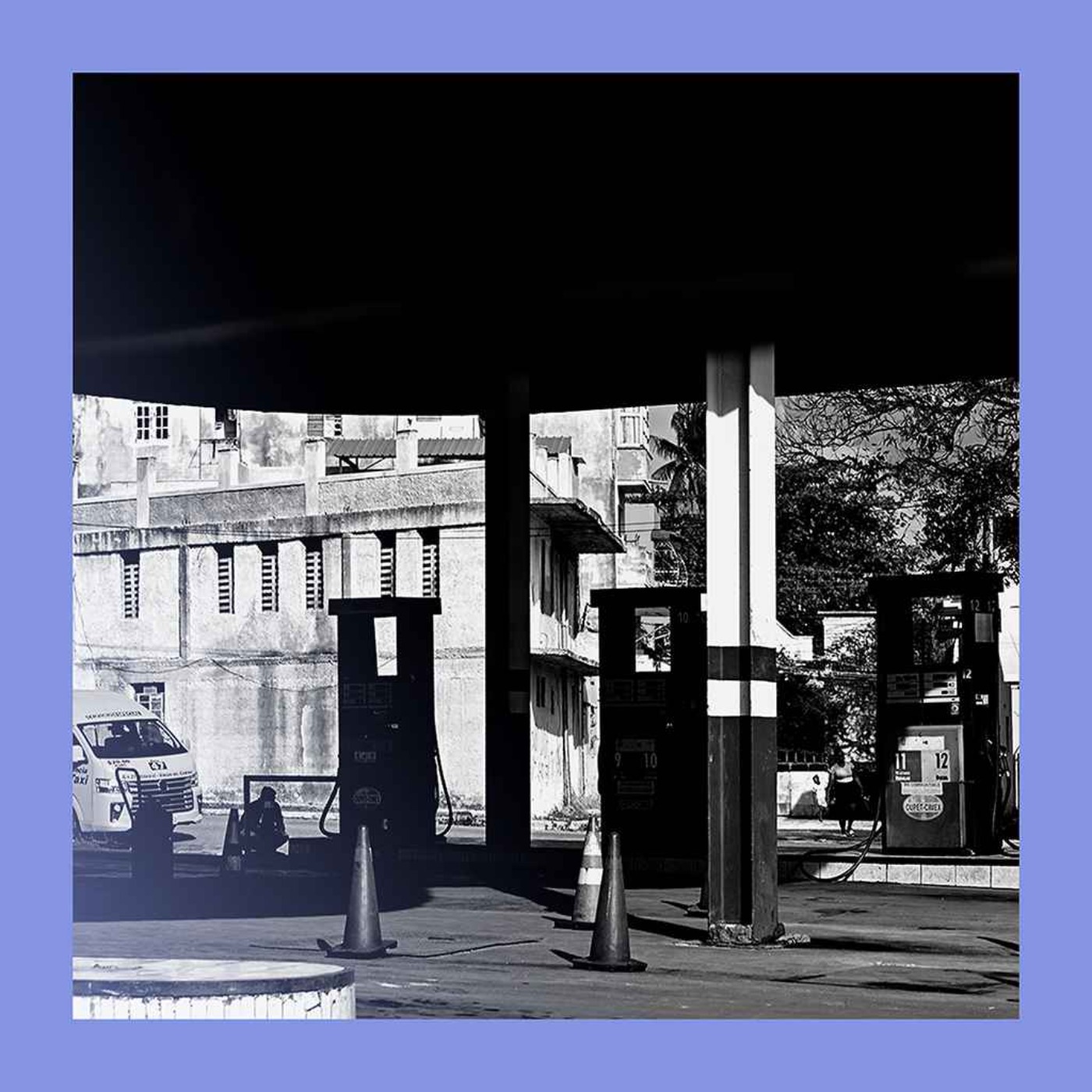
By refusing to bend to pressure, the Cuban government forces the US into a difficult position: either back down or escalate to a full-scale invasion, a politically unpalatable option the US wants to avoid.
By crippling the Cuban government's ability to operate, US sanctions are forcing the regime to cede control of key sectors. For example, the state has had to hand off its monopoly on importing oil, allowing private businesses to import it for their own needs—an ironic push towards a free-market principle.
The DSA's support for Cuba's regime perpetuates a narrative that U.S. sanctions are the sole cause of its struggles. This overlooks the historical fact that Cuba's vibrant economy collapsed following Castro's disastrous policy of forcing the entire nation into sugar production, which destroyed other industries.