Get your free personalized podcast brief
We scan new podcasts and send you the top 5 insights daily.
The DSA's support for Cuba's regime perpetuates a narrative that U.S. sanctions are the sole cause of its struggles. This overlooks the historical fact that Cuba's vibrant economy collapsed following Castro's disastrous policy of forcing the entire nation into sugar production, which destroyed other industries.

Related Insights
The appeal of ideologies like socialism to economically desperate populations is analogous to a starving Minecraft player eating rotten zombie flesh. While it's known to be poisonous, it's seen as the only available option to alleviate immediate suffering, even if it causes greater long-term harm.

Contrary to the narrative that communism "rescued" a failing state, Cuba in 1958 was one of Latin America's most developed economies, with a higher per capita GDP than several European nations. The economic collapse occurred *after* the revolution, when the productive class fled and central planning failed.
Private small and medium-sized businesses, legalized in 2021, have become vital for Cubans' survival, paying up to 10 times state salaries. However, the Communist Party remains ambivalent, creating a climate of legal uncertainty for entrepreneurs who are essential to the economy.

Once a destination for American economic opportunity, Venezuela's economy imploded after nationalizing its top industry and imposing widespread price controls. This recent, dramatic collapse serves as a powerful, real-world example of how such policies can lead to ruin, yet they remain popular.

The government often creates economic problems (e.g., through money printing), then presents itself as the solution with "free" programs. This cycle causes the public to misattribute their financial struggles to the failures of capitalism, rather than recognizing the government's role as the problem's source.

Despite facing extreme economic scarcity, crippling power outages, and decades of US pressure, the Cuban government's collapse is not imminent. Analysts warn against underestimating the regime's staying power, citing its highly disciplined organization and a core of revolutionaries who have defied predictions of their demise.
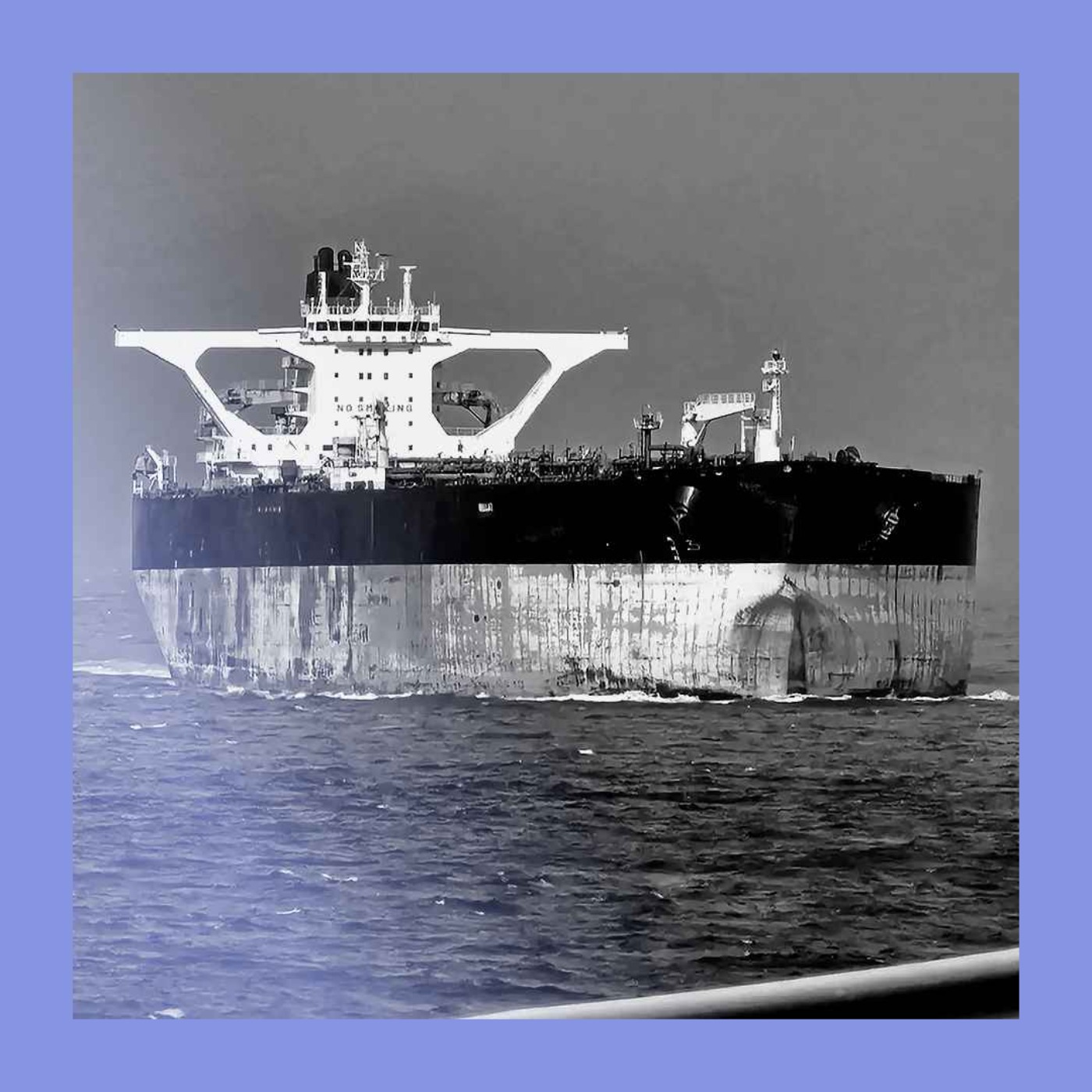
Venezuela's state-owned oil industry centralized wealth in the government, creating a populace feeling excluded. This enabled Hugo Chavez's populist rise, as he could promise to redistribute state-controlled resources, an appealing message amid corruption and low oil prices.

Drawing a lesson from his father, Ben Horowitz critiques socialism's core flaw: its literature and theory are obsessed with how to divide existing wealth but contain no blueprint for how to create it in the first place. He argues this fundamental omission makes the system inherently unsustainable and flawed.
![Ben Horowitz - Backing America’s Future - [Invest Like the Best, EP.457] thumbnail](https://megaphone.imgix.net/podcasts/9505619a-009e-11f1-869d-c7d5bc43b194/image/83257eb514e1fd42513d2e46eeb4e9dd.jpg?ixlib=rails-4.3.1&max-w=3000&max-h=3000&fit=crop&auto=format,compress)
The critical blow to Venezuela's oil production was Hugo Chavez's 2003 firing of 20,000 experienced staff. This loss of human capital, years before major sanctions, caused the collapse. When these exiled engineers went to Colombia, they increased one field's output from 30,000 to 250,000 barrels a day, proving their value.

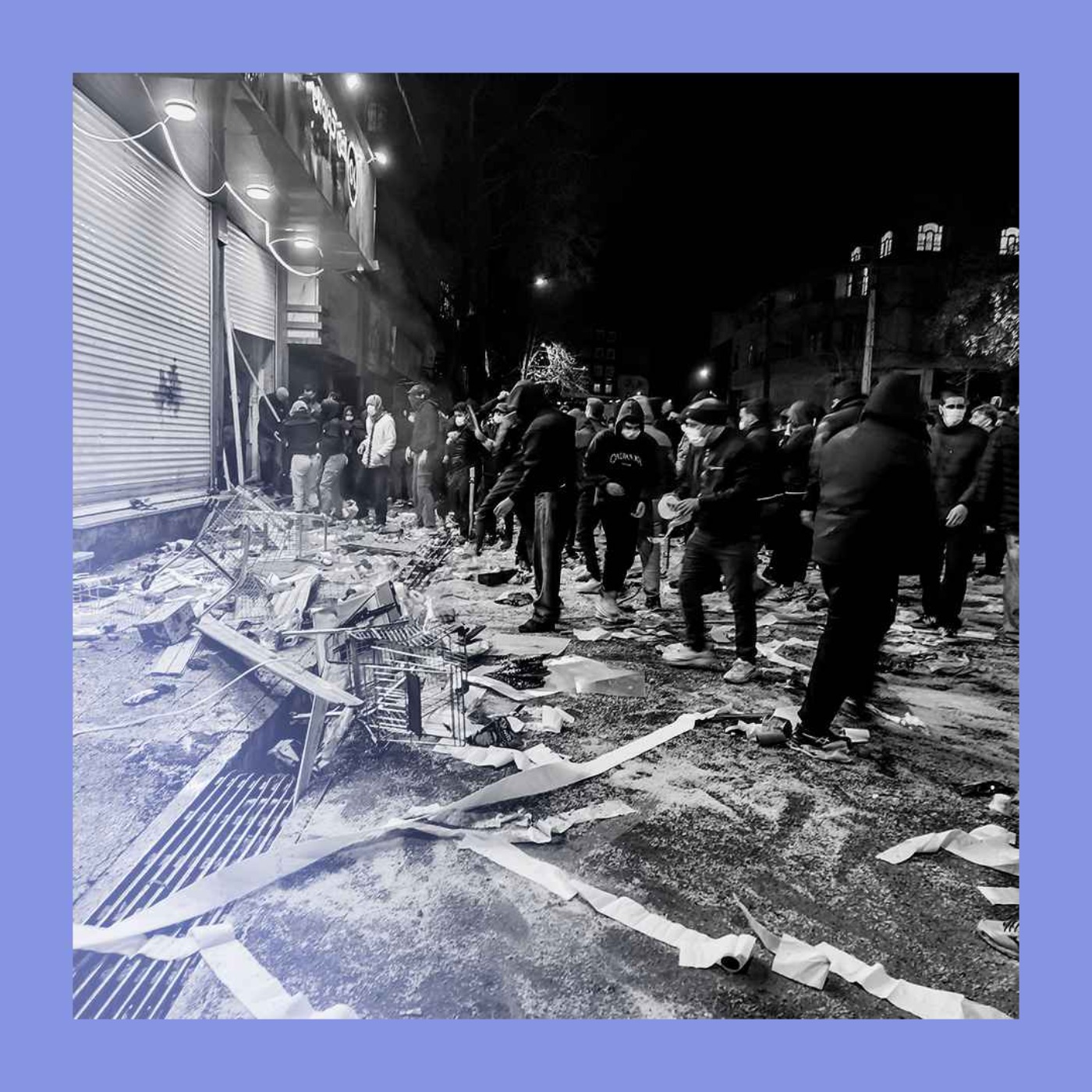
While US sanctions are a factor, the Iranian currency's freefall is largely due to structural corruption. The economy is dominated by the military and clerical foundations, a political-economic model that stifles growth and fuels public anger—a problem sanctions relief alone cannot solve.