Get your free personalized podcast brief
We scan new podcasts and send you the top 5 insights daily.
Instead of energy-intensive methods like laser sintering, GRU Space uses a geopolymer brought from Earth to bind lunar regolith into bricks. This approach is more feasible given the significant power constraints on the moon.
Related Insights
Unlike on Earth, where atmospheric drag makes electromagnetic launchers (mass drivers) impractical, the Moon's vacuum environment makes them highly efficient. This technology could turn the Moon into a "train station" for the solar system, launching raw materials and goods to Mars at a fraction of the energy cost.

The long-term vision isn't just launching data centers, but manufacturing them on the moon. This would utilize lunar resources and electromagnetic mass drivers to deploy satellites, making Earth's launch costs and gravity well irrelevant for deep space expansion.
GRU Space focuses on making bricks from lunar soil because while space robotics are proven, the technology to use local resources (ISRU) lacks "flight heritage." Solving this materials science problem unlocks the entire lunar economy.
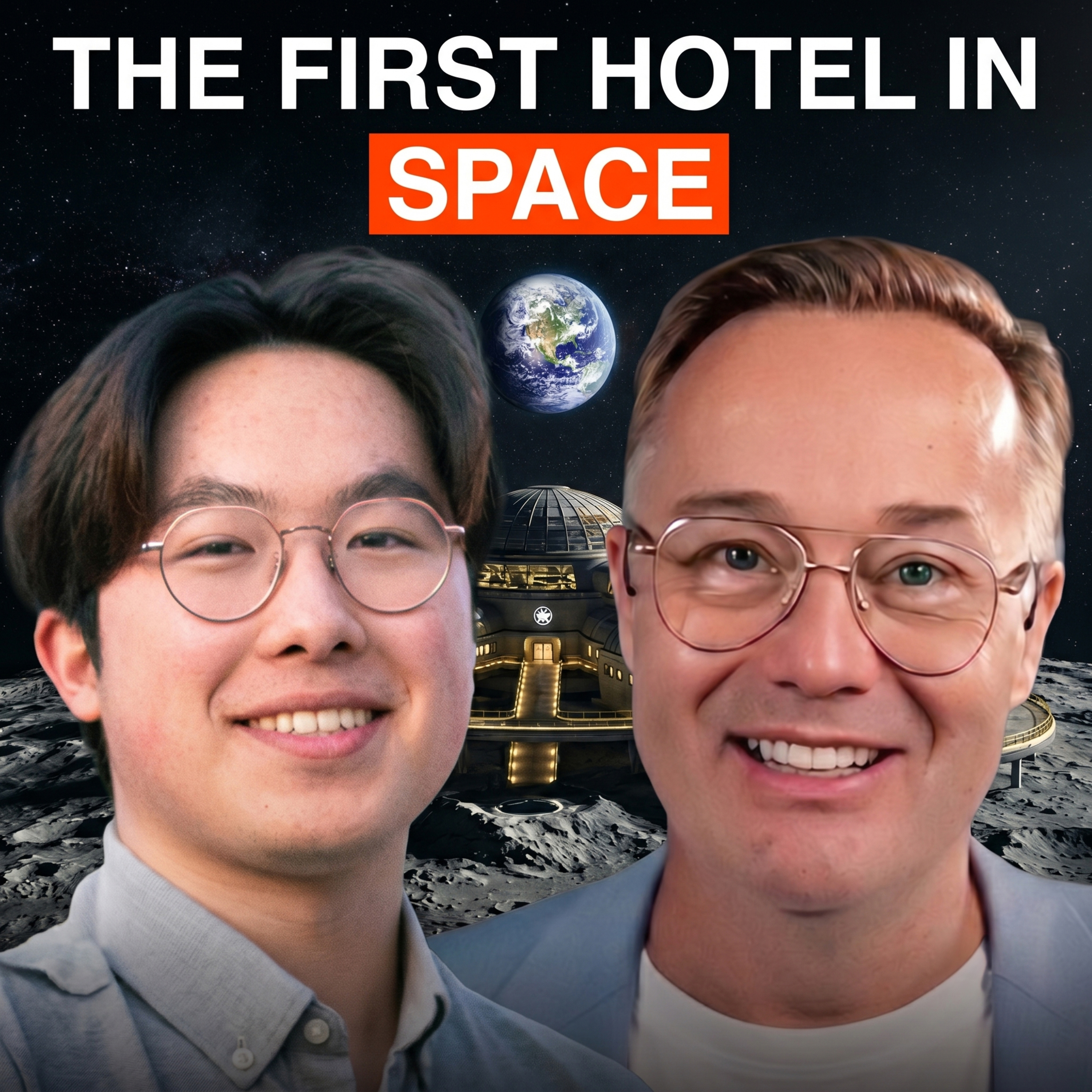
GRU Space's strategy is to build a commercial moon hotel to create demand for lunar services, positioning them as the go-to contractor for NASA's larger moon base projects. This creates a private ecosystem, reducing reliance on government funding.
The core technologies developed for a commercial lunar hotel—in-situ resource utilization and inflatable habitats—are the same ones NASA identified as its top priorities for permanent moon bases. This highlights a powerful dual-use synergy between commercial and government space ventures.

Mining and manufacturing on the moon is more feasible than asteroid mining. The moon's low gravity and lack of atmosphere allow for a 'mass driver'—an electric rail—to launch finished goods back to Earth at nearly zero shipping cost, creating an economic advantage over terrestrial production.

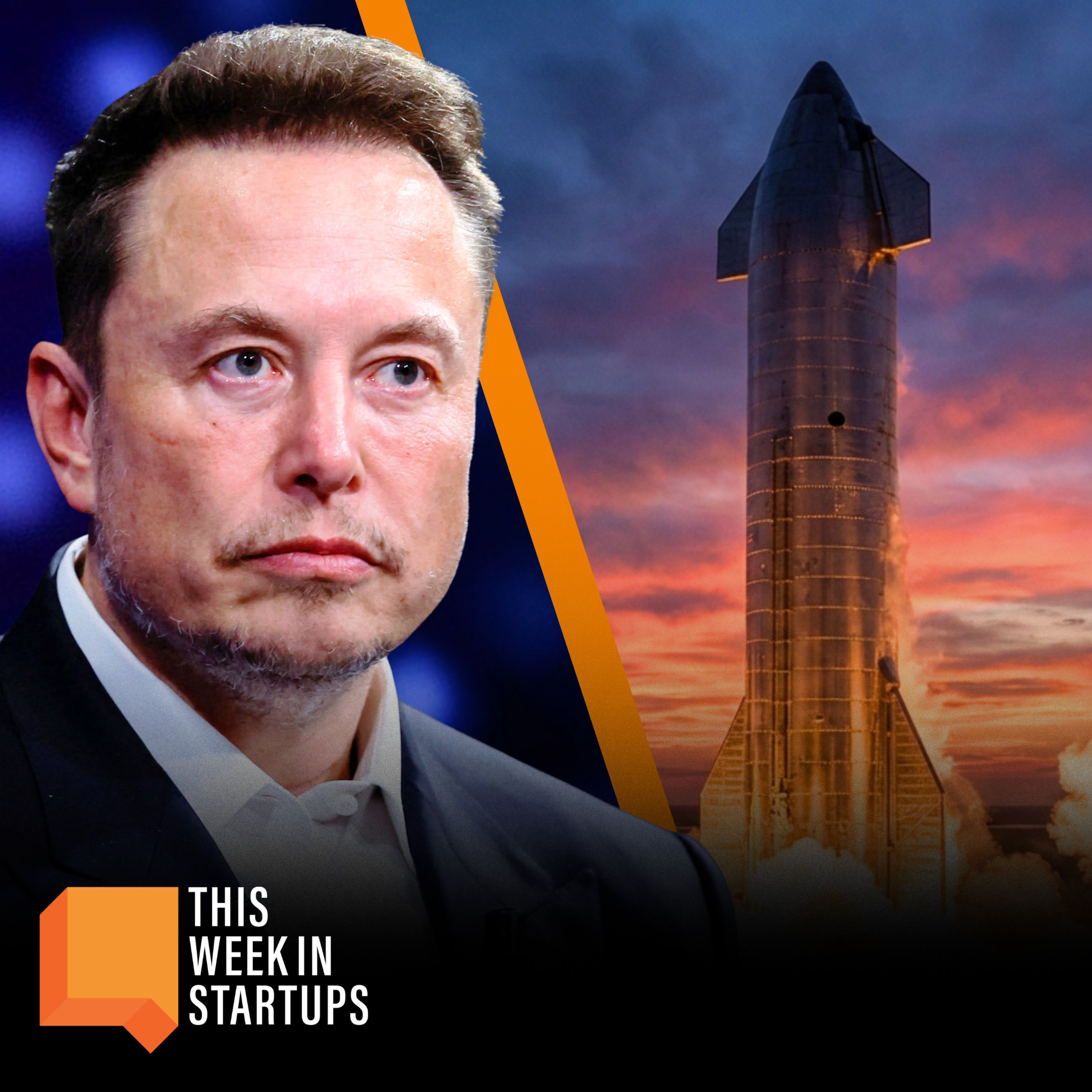
SpaceX is strategically delaying its Mars ambitions to first establish a permanent, 'self-growing' city on the moon. Elon Musk now views this as a more practical 10-year goal, with the moon serving as an essential staging ground for materials and deeper space exploration, rather than a direct-to-Mars approach.

Colonizing Mars is over 100 times more energy-efficient if materials are manufactured on and launched from the Moon. The Moon's low gravity and lack of atmosphere drastically reduce launch costs, positioning it as the logical industrial hub for interplanetary expansion, rather than just a stepping stone.

The project's value proposition is defeated if you transport fully-made satellites to the moon just to launch them back towards Earth. The true economic benefit comes from sourcing and manufacturing most of the payload's mass from lunar resources, minimizing costly Earth-to-moon transport.
The company's long-term vision is to enable mega-structures in space, starting with AI data centers to tap into unlimited solar power. Subsequently, it becomes 20 times more energy-efficient to use materials mined from the moon than from Earth to build these structures.