Get your free personalized podcast brief
We scan new podcasts and send you the top 5 insights daily.
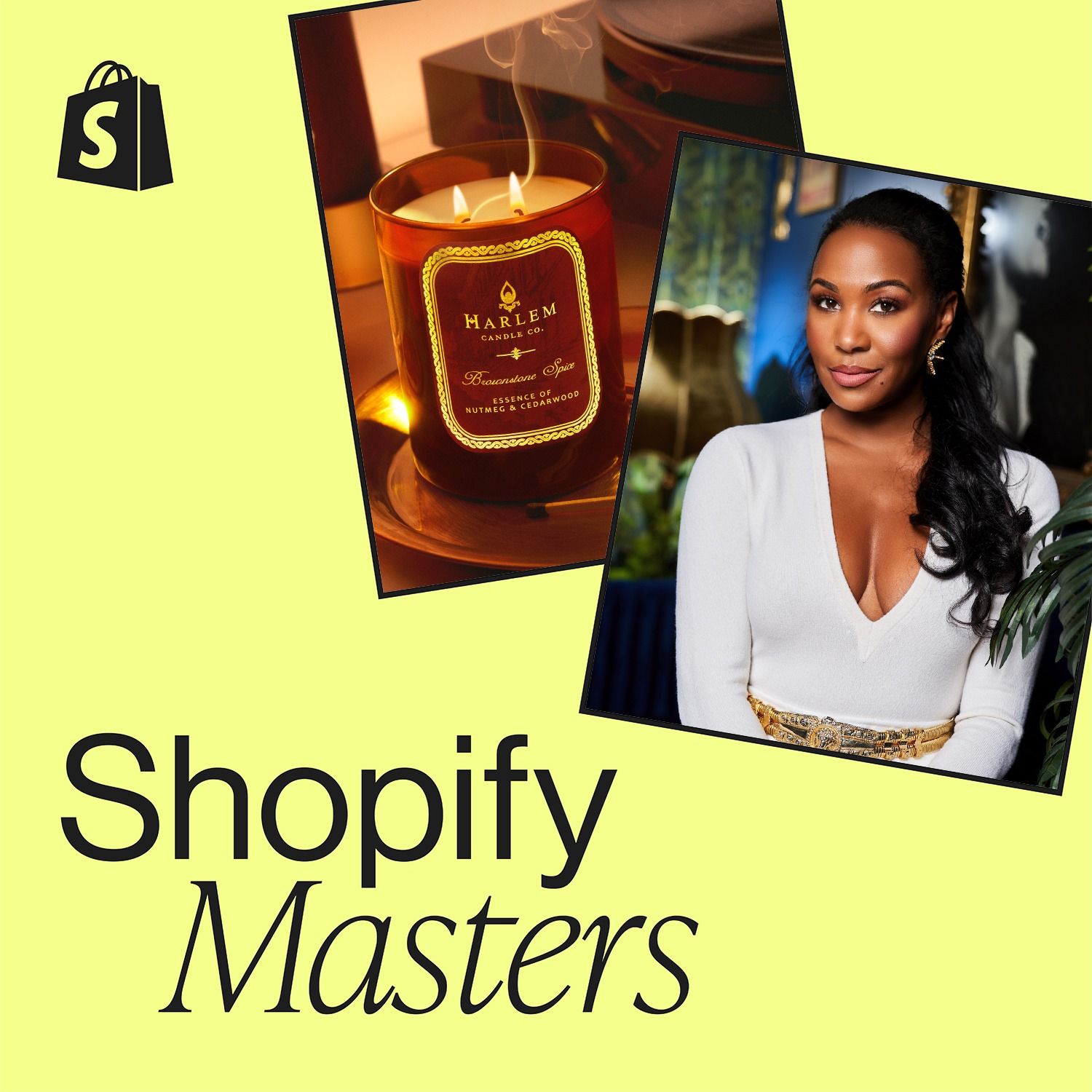
To stand out in the saturated candle market, founder Terry Johnson drew from her personal passion for the Harlem Renaissance, inspired by her time studying in Paris. This authentic connection to a specific cultural history gave the brand a unique “soul” that resonated deeply with customers.
Related Insights
Auntie Anne's PR strategy was centered on founder Anne Beiler's personal, faith-driven story of receiving a "miraculous" recipe. Her dream was to appear on a specific Christian talk show to share this testimony. By making her personal journey the core of the brand narrative, the company created a compelling identity that fueled its franchise growth.

The performance underwear brand "Paradis Sport" is named after Marie Paradis, the first woman to climb Mont Blanc. This historical tie-in instantly provides a powerful narrative of female strength and perseverance, elevating the brand beyond a simple product and creating a compelling story for marketing and customer connection.

Founder Terry Johnson's initial market research was gifting customized candles to friends and family because she was broke. Their enthusiastic feedback confirmed product-market fit and gave her the confidence to launch her business, starting with local artisan markets.
The first step in reviving a heritage brand like Chili's is to deeply research its history, founders, and original essence. This historical foundation provides the authentic DNA needed to build a relevant modern brand positioning, rather than inventing something new.

For communities or companies like Dave Gerhardt's Exit 5, the founder's personal brand can become the primary differentiator. This creates a 'category of one' in the customer's mind (e.g., 'The Dave Gerhardt Community'), making direct comparisons difficult and establishing a powerful moat that transcends feature-based competition.

David Aaker identifies a simple, powerful tactic: ask your team what makes the company special—its "secret sauce"—and turn that into a formal brand asset. He argues even abstract concepts, like a unique way of treating people, can be branded (e.g., "the HP way") to create a potent, ownable differentiator.
To sell candles online without customers smelling them, Harlem Candle Co. hired top-tier fragrance copywriters to create evocative descriptions and a high-end photographer (found via a DM slide) to produce luxury visuals, effectively bridging the sensory gap.
To build an authentic brand, move beyond product features and engage in an introspective process. By answering these three core questions, a company can establish its foundational ethos. This 'universal truth' then serves as a guiding principle for all external communication and strategic decisions.

Move beyond listing features and benefits. The most powerful brands connect with customers by selling the emotional result of using the product. For example, Swishables sells 'confidence' for a meeting after coffee, not just 'liquid mouthwash.' This emotional connection is the ultimate brand moat.

LoveSack operated successfully for years based on product instinct alone. However, transformational growth occurred only after the company intentionally defined its core brand philosophy—'Designed for Life'—and then amplified that clear message with advertising. This shows that a well-defined brand story is a powerful, distinct growth lever, separate from initial product-market fit.