Get your free personalized podcast brief
We scan new podcasts and send you the top 5 insights daily.
Believing 'Pray' can be an enduring brand like 'Levi's,' the founder's mindset isn't focused on hitting short-term metrics like revenue or DAUs. Instead, his primary job is to be a steward, laying a solid cultural and operational foundation to ensure the brand thrives for generations beyond his tenure.
Related Insights
After achieving repeatability, the founder/CEO has a 'second job.' They must stop building and selling the product themselves and start building the company that does it for them. This means shifting from being the PM of the product to becoming the PM of the company.

A rebrand should be viewed as building the fundamental foundation of a business. Without it, growth attempts are superficial and temporary. With a solid brand, the company has a stable base that can support significant scaling and prevent the business from hitting a growth ceiling.

For established businesses, the default goal of perpetual growth can be counterproductive. A more sustainable approach is focusing on protecting the team's peace and well-being, questioning the need for "more," and finding comfort in holistic success rather than just metrics.

Forget the unicorn obsession. Focus on building an “elephant”: a durable company defined by three traits. 1) Community Obsessive (customers are “members”). 2) Purpose-Driven (changing an industry, not adding a feature). 3) Building in Public (founder is the face). This framework prioritizes resilience and cult-like followings over vanity metrics.

Patagonia deliberately restrains revenue growth, viewing it not as the primary goal but as a means to an end. The company's true objective is growth in environmental and social impact, for which financial growth is simply a funding mechanism. This redefines success away from purely financial metrics.
A strategy defined only by the current product and target audience is brittle and fails to guide future development. A more holistic strategy is built on the company's underlying ethos, or 'how we do things.' This ethos provides a durable foundation for future product and marketing decisions.

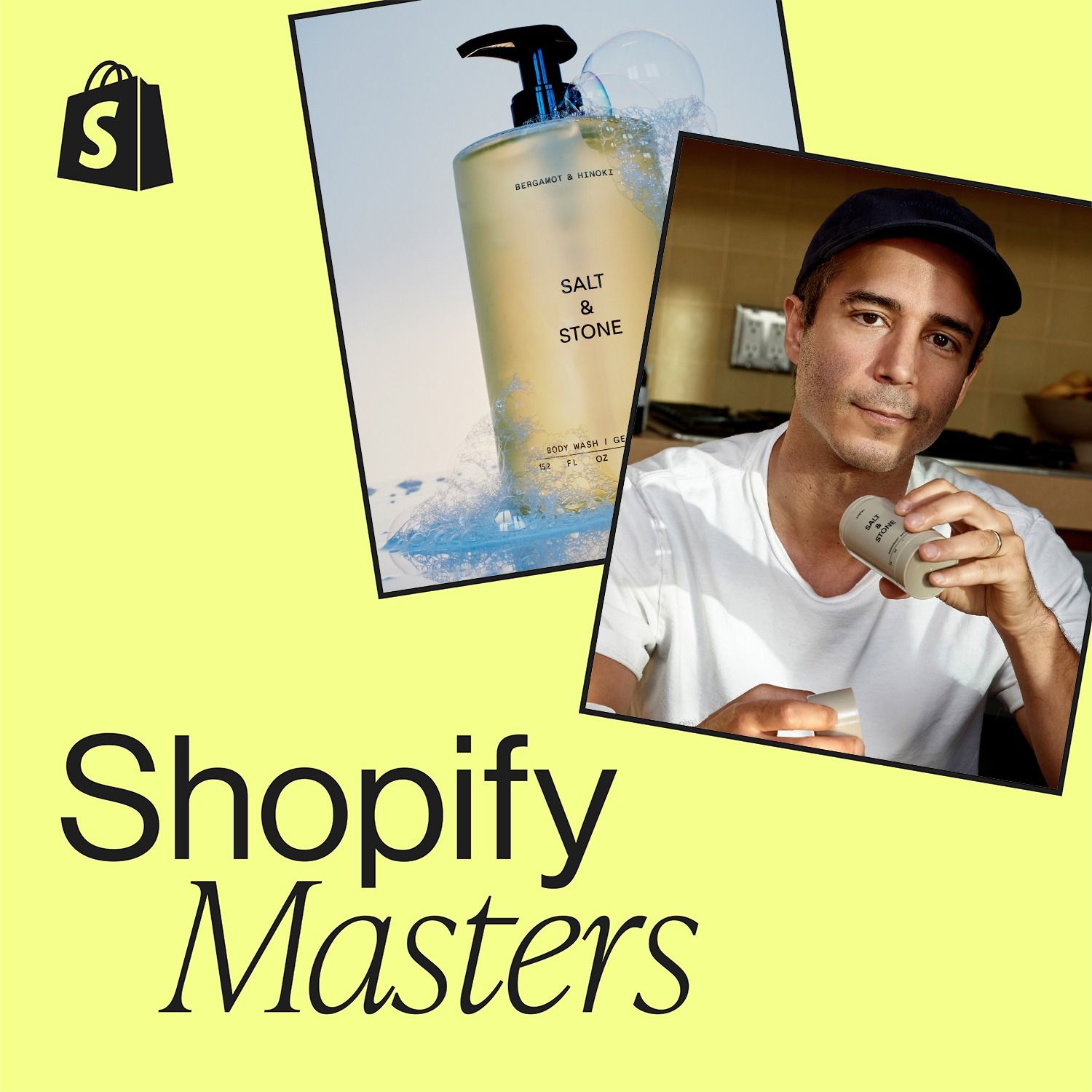
To create a brand that outlasts any individual, founder Nima Jalali avoids making his pro-snowboarder background the central marketing story. He believes a brand’s narrative should be bigger than one person's story to achieve true longevity, comparing it to how Apple markets the iPhone, not Steve Jobs.
A brand's long-term health depends on leaders viewing themselves as stewards, not owners. This mindset allows the brand to have its own life, adapt, and evolve—much like a child growing into its own person—ensuring it can survive beyond the founder's direct control.

The most impactful marketers adopt a founder's mindset by constantly asking if their decisions align with the CEO or CFO's perspective on profitable growth. This leads to creating "boring" — repeatable and consistent — systems, rather than chasing new, shiny projects every quarter.

In a product-led world, the B2B concept of 'founder-led sales' evolves into 'founder-led marketing.' Founders must deeply own the brand's narrative. This means personally onboarding key influencers and being the first to learn how to tell the story broadly, ensuring the message is right before scaling the function.
