Get your free personalized podcast brief
We scan new podcasts and send you the top 5 insights daily.
YETI's high-priced coolers offered significant profit margins that low-cost competitors couldn't. This gave small sporting goods stores a product they could sell profitably, creating a new sales category for them and sidestepping competition with mass-market retailers like Walmart.

Related Insights
The founders' primary frustration was with coolers physically falling apart—broken hinges and collapsing lids. By solving for extreme durability first, the features required for that (thicker, roto-molded walls) naturally led to superior ice retention as a secondary benefit.
The product that took YETI mainstream wasn't a strategic initiative. It started when one brother, impressed by a competitor's vacuum-insulated bottle, simply told the other, "we need to look at this." This led to the Rambler, which quadrupled revenue in 18 months.
Struggling to get retail distribution, Carbone's pasta sauce doubled its price to $7-$11. This premium strategy transformed its pitch to retailers: instead of earning cents per jar, stores could now make over $2. This created a powerful financial incentive for retailers to stock the new, high-margin product.

When large appliance companies like Dyson entered the premium hair tool market, T3 was initially intimidated. However, their massive marketing budgets raised overall category awareness and normalized higher price points. This repositioned T3 as an 'affordable luxury' and ultimately boosted their business, demonstrating that new competition can grow the pie for everyone.
Eric Ryan knew Method couldn't compete as just another cleaning brand against giants like P&G. Instead, he created the "premium home care" category, which blended design, sustainability, and fragrance. This prevented incumbents from simply extending their existing product lines to compete directly.

Major retailers often dislike when a single large company, like Zen in nicotine, dominates a category. This gives the incumbent too much leverage on pricing and placement. Consequently, retailers are often receptive to new, high-potential brands that can introduce competition and shift the power dynamic back in their favor.

Small brands cannot afford mass reach initially. An effective strategy is to own a sub-category (e.g., Fever-Tree with premium tonic, Chobani with Greek yogurt). This builds penetration, scale, and mental availability in a defined space before expanding to challenge incumbents.

The high price point wasn't a psychological positioning tactic. It was a practical necessity based on the cost of goods and the required margins for both retailers and YETI itself. The perception of a "premium" product was a byproduct of this sustainable cost structure.
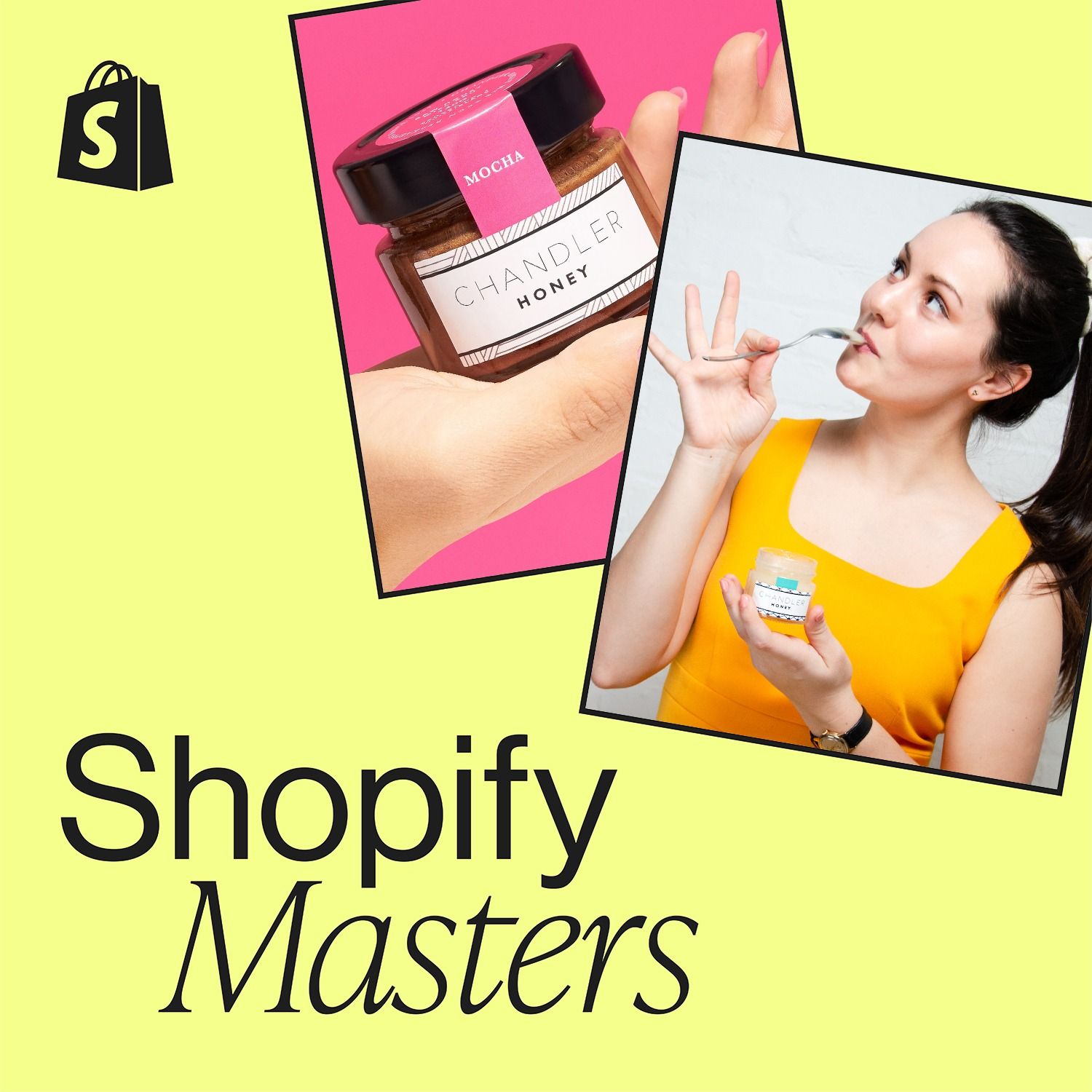
The founder realized her premium honey sold better in gift and souvenir shops where brand story matters more than price. This was more profitable and a better brand fit than traditional grocery stores with their high margins and unfavorable terms.
To bypass saturated coffee shop wholesale channels, the founders targeted boutique lifestyle stores. Their design-forward packaging stood out next to ceramics and books, creating a new, untapped market for specialty coffee in non-traditional retail environments.