Get your free personalized podcast brief
We scan new podcasts and send you the top 5 insights daily.
Coaching is most critical at the highest levels of success. After winning his first championship, Michael Jordan didn't fire his coach; he hired more specialized ones. Elite performers like LeBron James invest millions in coaching to extract every last bit of potential and maintain their edge.

Related Insights
While the industry coaching success rate is 50%, Franklin Covey achieves 97%. They attribute this to hiring coaches who have prior business experience as executives (CEOs, SVPs). This real-world acumen, beyond just certification, allows them to connect with and guide leaders effectively.

Early in your career, output is key. Past a certain threshold of success, however, you are compensated for the quality of your judgment, not the quantity of your work. Your highest leverage activity becomes making correct bets, which requires reorienting your life to maximize decision-making quality.

The greatest performers, from athletes to companies, are not just the most talented; they are the best at getting better faster. An obsession with root-cause analysis and a non-defensive commitment to improvement is the key to reaching otherwise unachievable levels of success.

Leaders misallocate time on low performers who won't improve or top performers who don't need coaching. The greatest return on coaching time comes from investing 80% of it in the solid B-players (the "six pluses") who have the raw ability to become elite A-players.

To build a culture of continuous improvement, prioritize hiring for coachability. Individuals with backgrounds in competitive athletics or music are often ideal because they have been heavily coached their whole lives. They view direct feedback not as criticism, but as an essential tool for getting better.
![Ric Elias - The Art of Living Well - [Invest Like The Best, CLASSICS] thumbnail](https://megaphone.imgix.net/podcasts/c8d024f8-df4f-11f0-840d-5ff663ee0c32/image/078ac81caab6c002687a18b68c841394.jpg?ixlib=rails-4.3.1&max-w=3000&max-h=3000&fit=crop&auto=format,compress)
AT&T's CMO credits her father's success as an MLB pitcher to his intense coachability. He constantly adapted his technique based on scout feedback, from hiding his curveball tip at age 14 to changing his pitch grip in college. This shows that a willingness to adapt is crucial, regardless of talent level.

The common advice to "follow your strengths" is insufficient for high achievement. Truly ambitious goals require you to become something more and develop entirely new skills. High performers focus on the goal and then systematically "build into" it by acquiring the necessary abilities, regardless of their current strengths.

Author Eduardo Briseño introduces the 'Performance Paradox': focusing only on execution and minimizing mistakes keeps you stagnant. The highest achievers do not improve simply by doing their job more. They deliberately step out of the high-stakes 'performance zone' to work on their weaknesses in a 'learning zone', which ultimately fuels superior performance.

Matt Spielman's coaching model focuses on identifying a client's signature strengths and past successes. Instead of smoothing out weaknesses with "sandpaper," he helps clients tap into what already works well to drive performance, viewing this as a more sustainable path to growth.
![[REPLAY] Matt Spielman – Executive Coaching in Asset Management (Capital Allocators, EP.210) thumbnail](https://static.libsyn.com/p/assets/f/b/7/6/fb76e1c8bfb69e8dd959afa2a1bf1c87/CA_Square_logo_light_background_6.26.24.jpg)
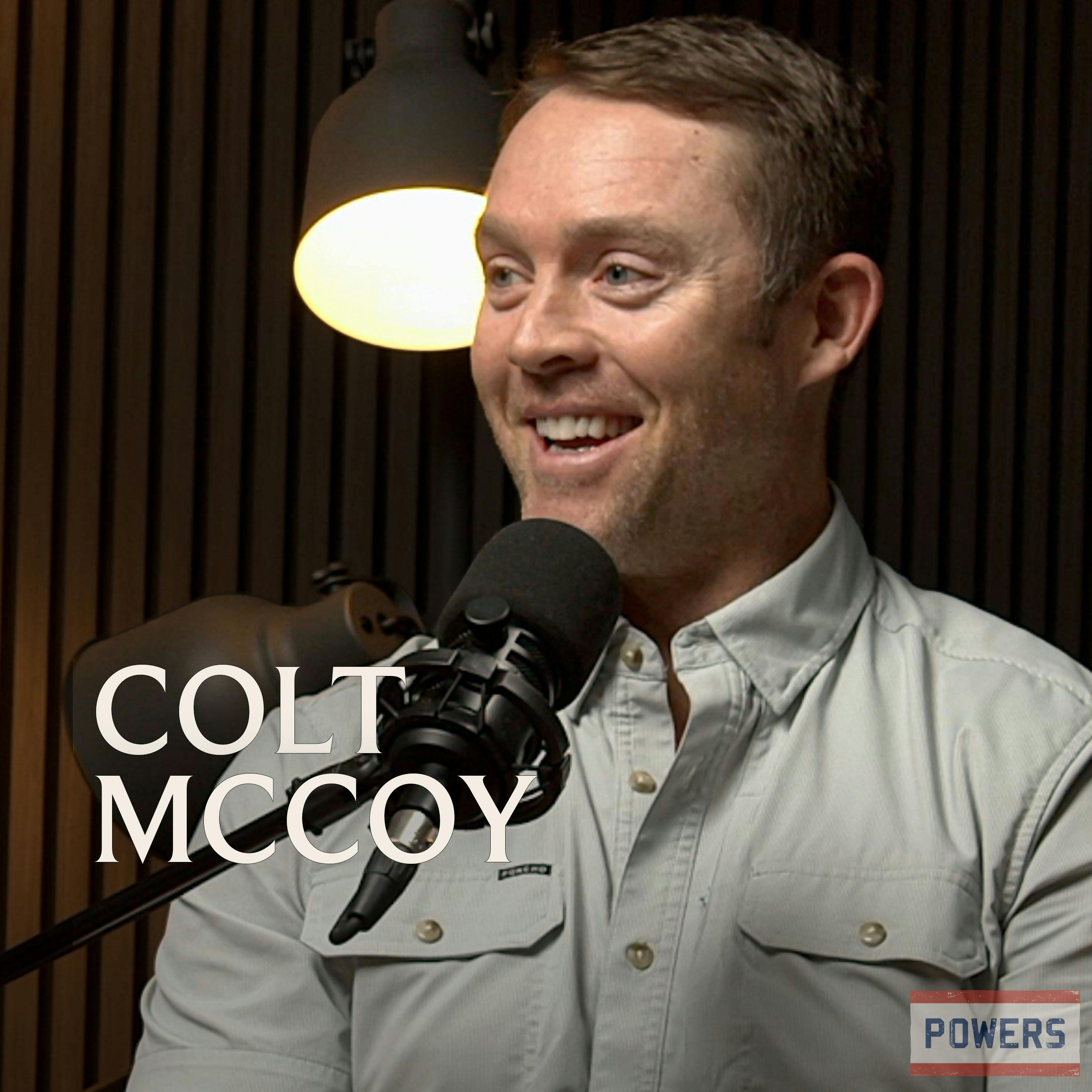
Succeeding NFL phenom Vince Young at Texas, Colt McCoy knew he couldn't match Young's physical gifts. He instead focused his energy on mastering the mental game—deeply understanding schemes, coverages, and play calls—to create his own unique and sustainable competitive advantage.