Get your free personalized podcast brief
We scan new podcasts and send you the top 5 insights daily.
At 14, Josh Browder built an unofficial Pret-a-Manger app. Instead of suing him after sending a cease-and-desist, the company discovered his age and made his creation their official app. This taught him that bold, unsanctioned action can be the most effective path forward.

Related Insights
Faced with a lawsuit that personally targeted the founders, Figs rejected the easier path of settling. They chose to fight for four years, viewing it as a responsibility to stand up to a "bully" competitor and prevent them from harming other startups.

Josh Browder initially planned for DoNotPay to be a non-profit. However, a breakfast with Marc Andreessen convinced him that the incentive structures of a for-profit company are more effective for achieving large-scale, mission-driven goals.
As tech's influence grows, the disruptive "asshole" persona is no longer celebrated. To build trust with investors, employees, and customers, founders must demonstrate respect for the communities they operate in, adopting a "give more than I get" mindset.

After being mistreated in an acquisition, Jason Calacanis became educated on the acquirer's market. This motivated him to launch an open-source, BitTensor-powered competitor with the explicit goal of removing 90% of the cost from the market, turning a personal slight into a business strategy.

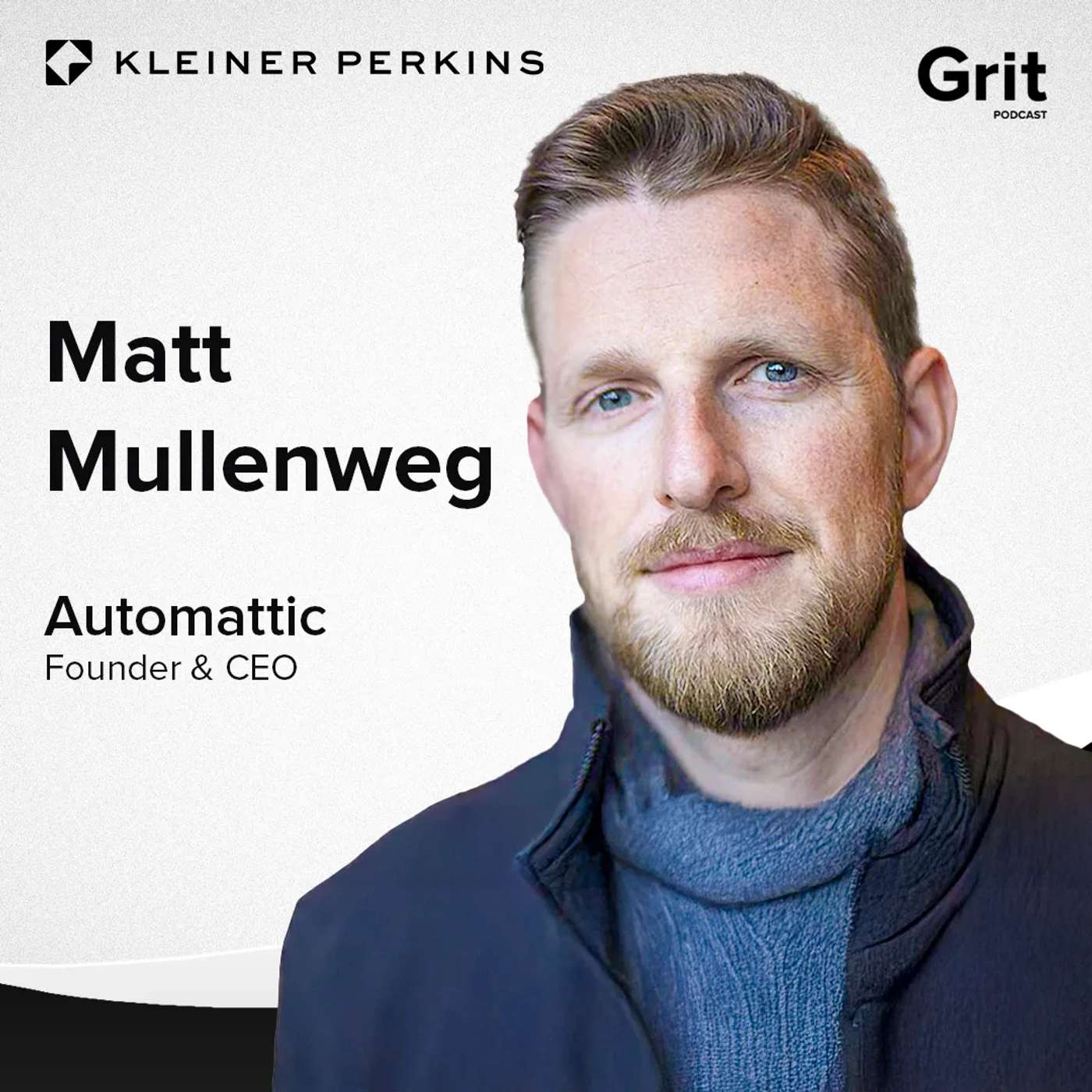
Facing a lawsuit that made him want to "walk away from everything," WordPress founder Matt Mullenweg took a short break. He discovered that being away from his life's mission—open source—was more painful than being attacked for it, which re-energized his commitment and provided clarity.
For young people pursuing non-traditional careers, parental discomfort is a preferable outcome to seeking approval. If you succeed, their pride is immense. If you fail, you learn to operate without their validation. Both outcomes build crucial entrepreneurial resilience.

Jason Calacanis recounts his high school guidance counselor laughing at his ambitions. He identifies this moment of condescension as a pivotal, lifelong motivator that fueled his drive to succeed and prove the naysayer wrong. For entrepreneurs, such negative feedback can be harnessed as a powerful advantage.

Mark Abbott openly shared his idea for an EOS software, only to have an acquaintance take it and beat him to market. Instead of quitting, he played the long game, focusing on a superior product and deeper community relationships, ultimately building a more successful company.

Josh Browder champions building a 'real business' over the traditional VC path of burning cash for growth. His company, Do Not Pay, has hundreds of thousands of customers but only 11 employees, is profitable, and issues dividends to investors.

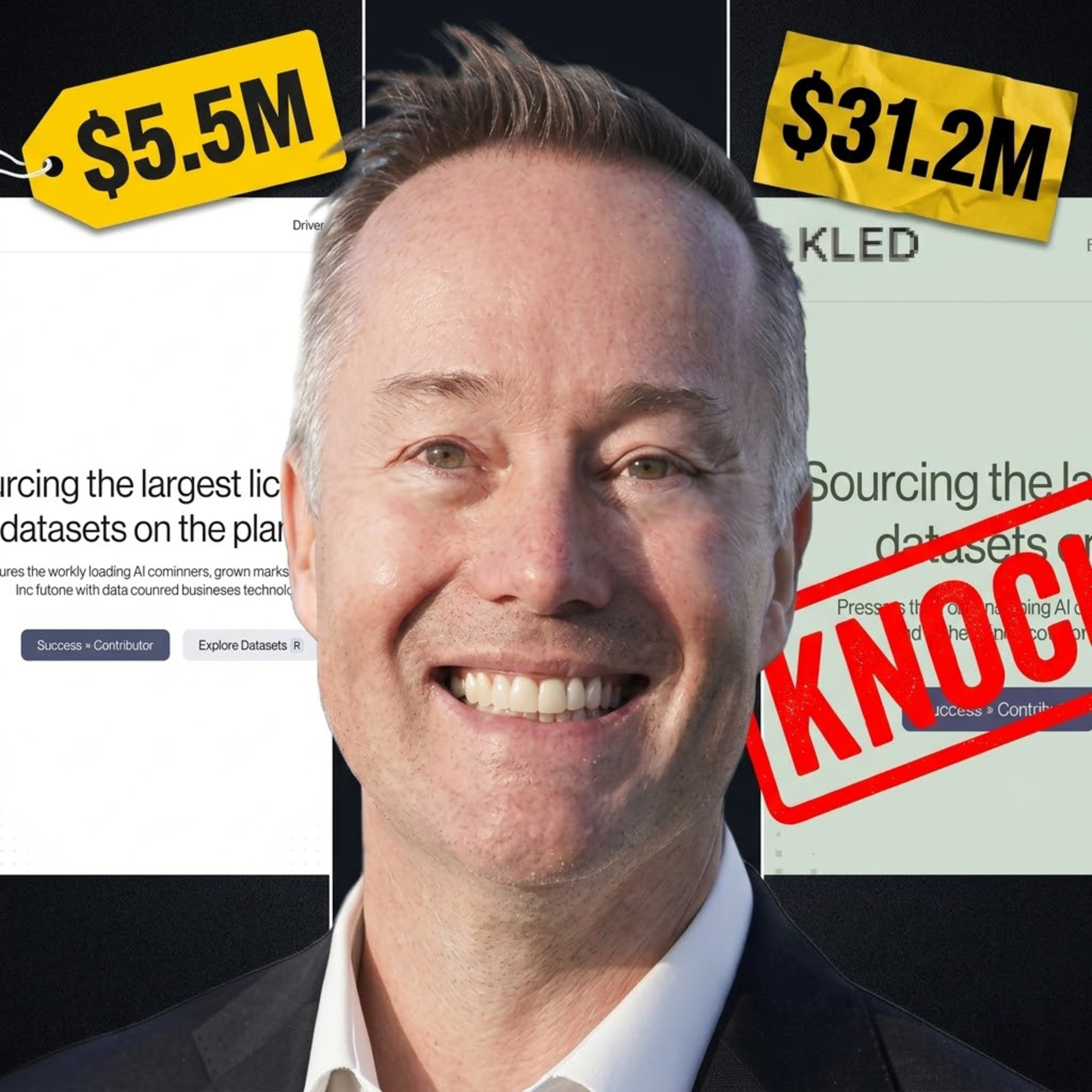
When faced with a blatant copycat and lacking legal resources, a founder's best defense can be a public campaign. This creates social pressure, rallies support, and puts the competitor and their investors on the defensive, as Kled founder Avi Patel demonstrated.