Get your free personalized podcast brief
We scan new podcasts and send you the top 5 insights daily.
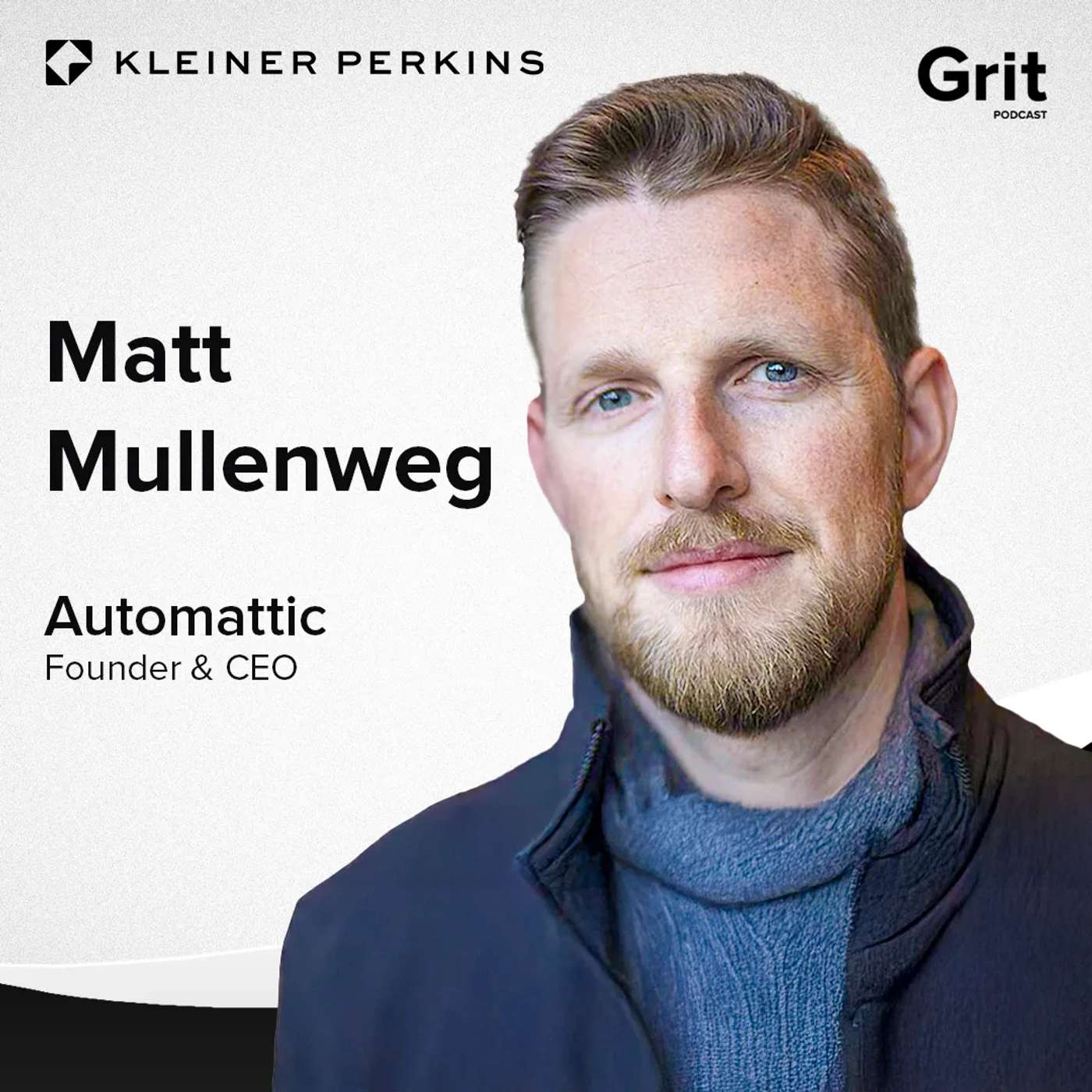
Facing a lawsuit that made him want to "walk away from everything," WordPress founder Matt Mullenweg took a short break. He discovered that being away from his life's mission—open source—was more painful than being attacked for it, which re-energized his commitment and provided clarity.
Related Insights
Prepared's founder faced 'no's' from customers, investors, and parents. He persisted not because he was trying to build a company, but because of a stubborn, personal passion to solve a problem—believing he could make things 'slightly better' even if he ultimately failed.

Matt Mullenweg notes that entrepreneurs inevitably cycle between being celebrated and vilified. Surviving this requires ignoring the noise and focusing on core principles and customers, recognizing even today's tech giants faced similar periods of extreme negative sentiment.
Founders often equate constant hustle with progress, saying yes to every opportunity. This leads to burnout. The critical mindset shift is recognizing that every professional "yes" is an implicit "no" to personal life. True success can mean choosing less income to regain time, a decision that can change a business's trajectory.

Instead of optimizing for a quick win, founders should be "greedy" and select a problem so compelling they can envision working on it for 10-20 years. This long-term alignment is critical for avoiding the burnout and cynicism that comes from building a business you're not passionate about. The problem itself must be the primary source of motivation.

Whitney Wolfe Herd explains how stepping away from Bumble and separating her personal identity from the company's gave her crucial perspective. This "space" between the circles of self and company, while counterintuitive to investors, ultimately made her a more effective leader upon her return.

After burning out, Bumble's founder returned with renewed purpose by reframing the company not as an app, but as a "vehicle to deliver love." This elevated, mission-driven perspective—seeing the company as a means to a greater societal end—can be a powerful tool for leaders to overcome fatigue and reconnect with their work.
Many entrepreneurs love their core business but lose motivation as their role expands to include responsibilities they dislike (e.g., finance, operations). The solution is to reinvest early profits into hiring employees to handle these tasks, freeing the founder to focus on their strengths and passions.

A career-threatening mistake—getting WordPress.org banned from Google for hidden link spam—directly inspired Matt Mullenweg to create the anti-spam service Akismet. He felt a "karmic debt" to solve the very problem he had contributed to, turning a crisis into a major innovation.
Thumbtack's "Google death penalty"—being completely de-indexed—was a crisis that could have killed the company. Co-founder Jonathan Swanson reframes this intense period as a favorite experience because it forged team unity and resilience, proving that existential threats can become powerful, positive catalysts.