Get your free personalized podcast brief
We scan new podcasts and send you the top 5 insights daily.
As tech's influence grows, the disruptive "asshole" persona is no longer celebrated. To build trust with investors, employees, and customers, founders must demonstrate respect for the communities they operate in, adopting a "give more than I get" mindset.

Related Insights
When selling to large companies, young founders often mistakenly adopt a formal, corporate persona. This is a mistake. Enterprises are often buying the startup's unique energy and expertise, so being authentic and passionate is more effective than mimicking corporate culture.
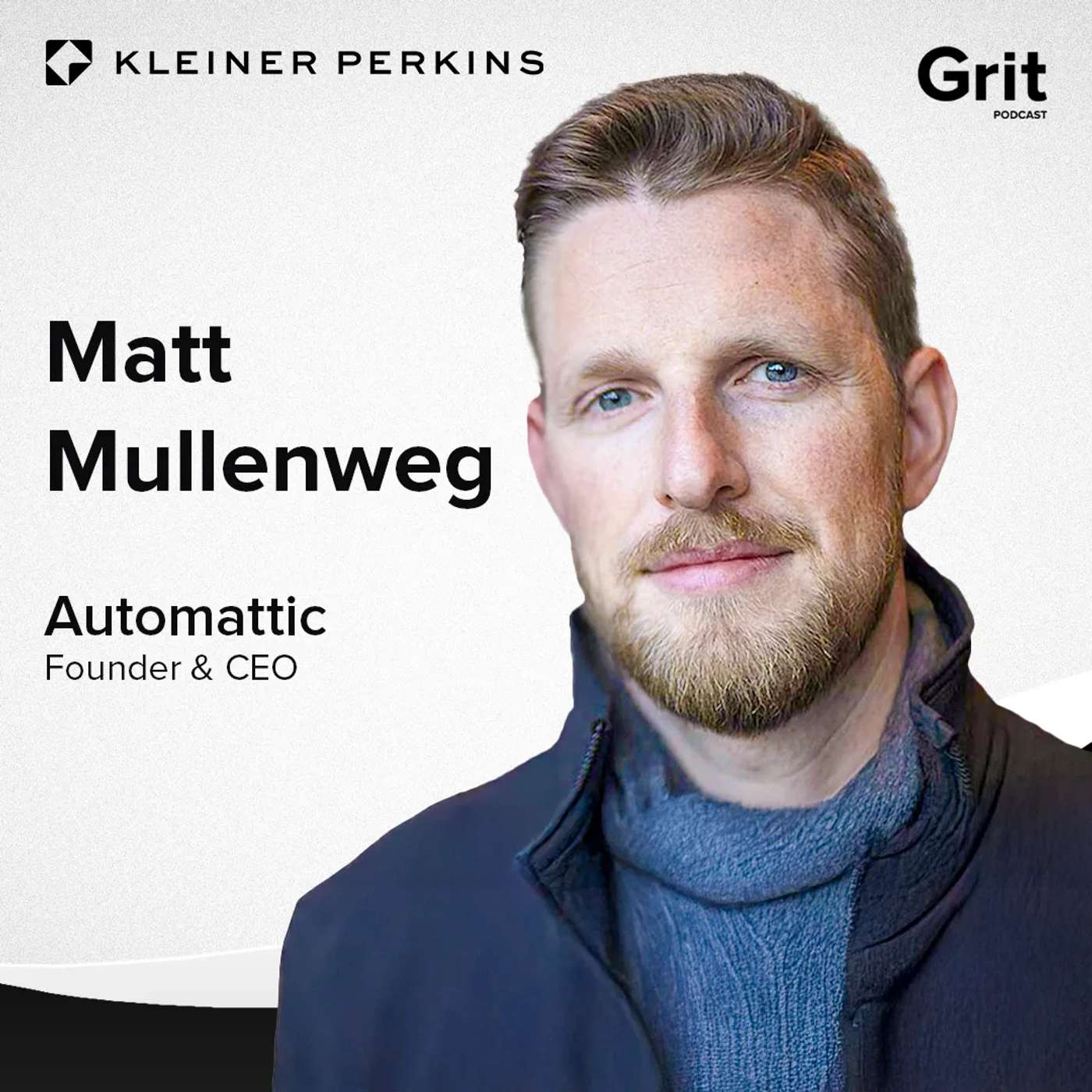
Matt Mullenweg notes that entrepreneurs inevitably cycle between being celebrated and vilified. Surviving this requires ignoring the noise and focusing on core principles and customers, recognizing even today's tech giants faced similar periods of extreme negative sentiment.
Investor Mark Rampolla argues that a brand's potential is capped by its leader's personal development. His firm seeks self-aware founders committed to "inner work," believing this psychological resilience is a key predictor of building a billion-dollar company.

Technically-minded founders often believe superior technology is the ultimate measure of success. The critical metamorphosis is realizing the market only rewards a great business model, measured by revenue and margins, not technical elegance. Appreciating go-to-market is essential.

A founder must simultaneously project unwavering confidence to rally teams and investors, while privately remaining open to any evidence that they are completely wrong. This conflicting mindset is essential for navigating the uncertainty of building a startup.

A cultural schism exists in Silicon Valley regarding essential non-technical founder skills. One camp champions traditional, East Coast-style "etiquette" (formal interaction), while the other advocates for West Coast "street smarts" (cultural relevance, coolness), highlighting different philosophies on building influence.
A successful startup often resembles a cult, requiring a leader who communicates their vision with unwavering, first-person conviction. Hiding the founder behind polished PR spokespeople is a mistake; it neuters the contagious belief required to recruit talent and build a movement against impossible odds.

Dr. Fei-Fei Li asserts that trust in the AI age remains a fundamentally human responsibility that operates on individual, community, and societal levels. It's not a technical feature to be coded but a social norm to be established. Entrepreneurs must build products and companies where human agency is the source of trust from day one.

The nature of marketing has shifted from promoting a faceless corporation to showcasing an authentic founder personality. Companies without an interesting character at the helm are at a disadvantage. This requires leaders to be public figures, as their personal brand, story, and voice are now integral to the company's identity and success.

Historically, trust was local (proximity-based) then institutional (in brands, contracts). Technology has enabled a new "distributed trust" era, where we trust strangers through platforms like Airbnb and Uber. This fundamentally alters how reputation is built and where authority lies, moving it from top-down hierarchies to sideways networks.