Get your free personalized podcast brief
We scan new podcasts and send you the top 5 insights daily.
Faced with a lawsuit that personally targeted the founders, Figs rejected the easier path of settling. They chose to fight for four years, viewing it as a responsibility to stand up to a "bully" competitor and prevent them from harming other startups.

Related Insights
For a heavily regulated startup, when an intransigent regulator blocks your core mission, the only path forward may be to embrace an extreme anti-pattern: suing them. Kalshi, a 20-person startup, sued the CFTC because it was their last shot at survival, despite warnings it would lead to a "death by a thousand paper cuts."

After being mistreated in an acquisition, Jason Calacanis became educated on the acquirer's market. This motivated him to launch an open-source, BitTensor-powered competitor with the explicit goal of removing 90% of the cost from the market, turning a personal slight into a business strategy.

Facing a lawsuit that made him want to "walk away from everything," WordPress founder Matt Mullenweg took a short break. He discovered that being away from his life's mission—open source—was more painful than being attacked for it, which re-energized his commitment and provided clarity.

Archer's CEO viewed an immediate lawsuit from industry giant Boeing not just as a challenge, but as the moment he knew his company was a real threat. This aggressive move from an incumbent was a harsh, but powerful, validation that their disruptive technology was credible.

The CEO of a family-owned toymaker explains why his smaller company sued the US government over tariffs when giants didn't. A deep sense of legacy and purpose creates a calculus where the risk of inaction—allowing the business to be ruined—outweighs the cost and risk of litigation.

Opponents with deep pockets can initiate lawsuits not necessarily to win, but to drain a target's financial resources and create immense stress. The astronomical cost and duration of the legal battle serve as the true penalty, forcing many to fold regardless of their case's merit.

When Gillette sued Dollar Shave Club, Michael Dubin understood it was more than a patent dispute. He recognized it as a classic incumbent playbook move: use legal battles to drain a startup's resources and make it appear unattractive to potential investors and acquirers. This framing helps founders contextualize and endure such attacks.

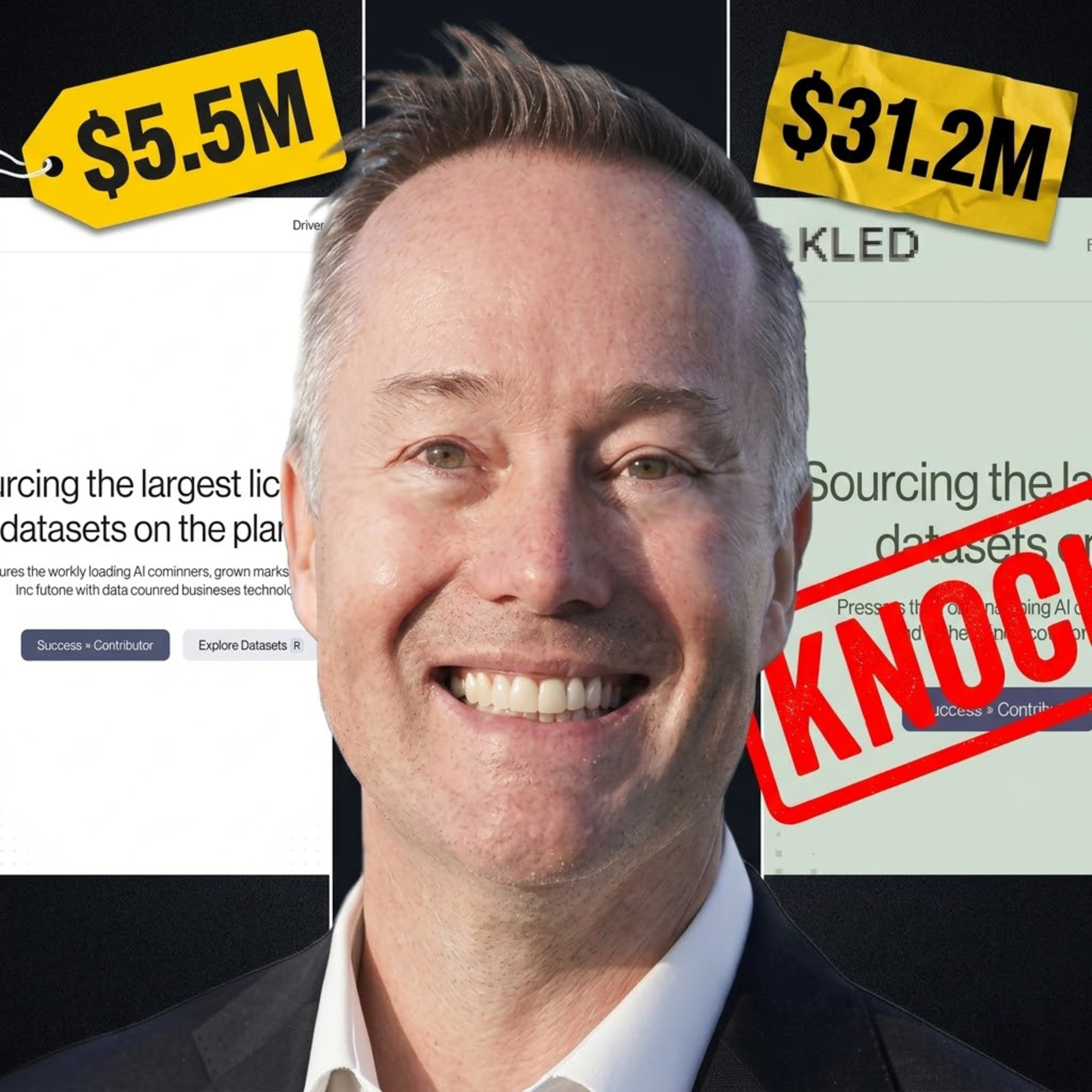
When faced with a blatant copycat and lacking legal resources, a founder's best defense can be a public campaign. This creates social pressure, rallies support, and puts the competitor and their investors on the defensive, as Kled founder Avi Patel demonstrated.
The most resilient founders are motivated by something beyond wealth, like proving doubters wrong (revenge) or recovering from a past failure (redemption). This drive ensures they persevere through tough times or when facing a massive buyout offer that a purely financially motivated person would accept.

After being fired, Bernie Marcus was advised by Sol Price (founder of Price Club) to forgo a lawsuit. Price showed him a room full of depositions from his own legal battle, explaining that litigation consumes your life and energy, while building something new is the ultimate victory.
![Bernie Marcus: The Home Depot Story [Outliers] thumbnail](https://megaphone.imgix.net/podcasts/33f78974-da28-11f0-922d-8fedbd7bbd6a/image/459cd297fd865ff17e963c9052a0b228.png?ixlib=rails-4.3.1&max-w=3000&max-h=3000&fit=crop&auto=format,compress)