Get your free personalized podcast brief
We scan new podcasts and send you the top 5 insights daily.
Even if a diplomatic breakthrough is achieved, enforcing a ceasefire will be extremely difficult. The warring sides are not monolithic entities but unruly coalitions of Islamists, former rebels, and foreign mercenaries. This internal fragmentation means a top-level agreement may not hold on the ground.

Related Insights
The paramilitary group's control over Darfur and the west effectively splits Sudan into two territories: one run by the RSF and the other by the conventional army in the east. This simplifies the conflict map but may be used as a negotiating tactic rather than an endpoint.
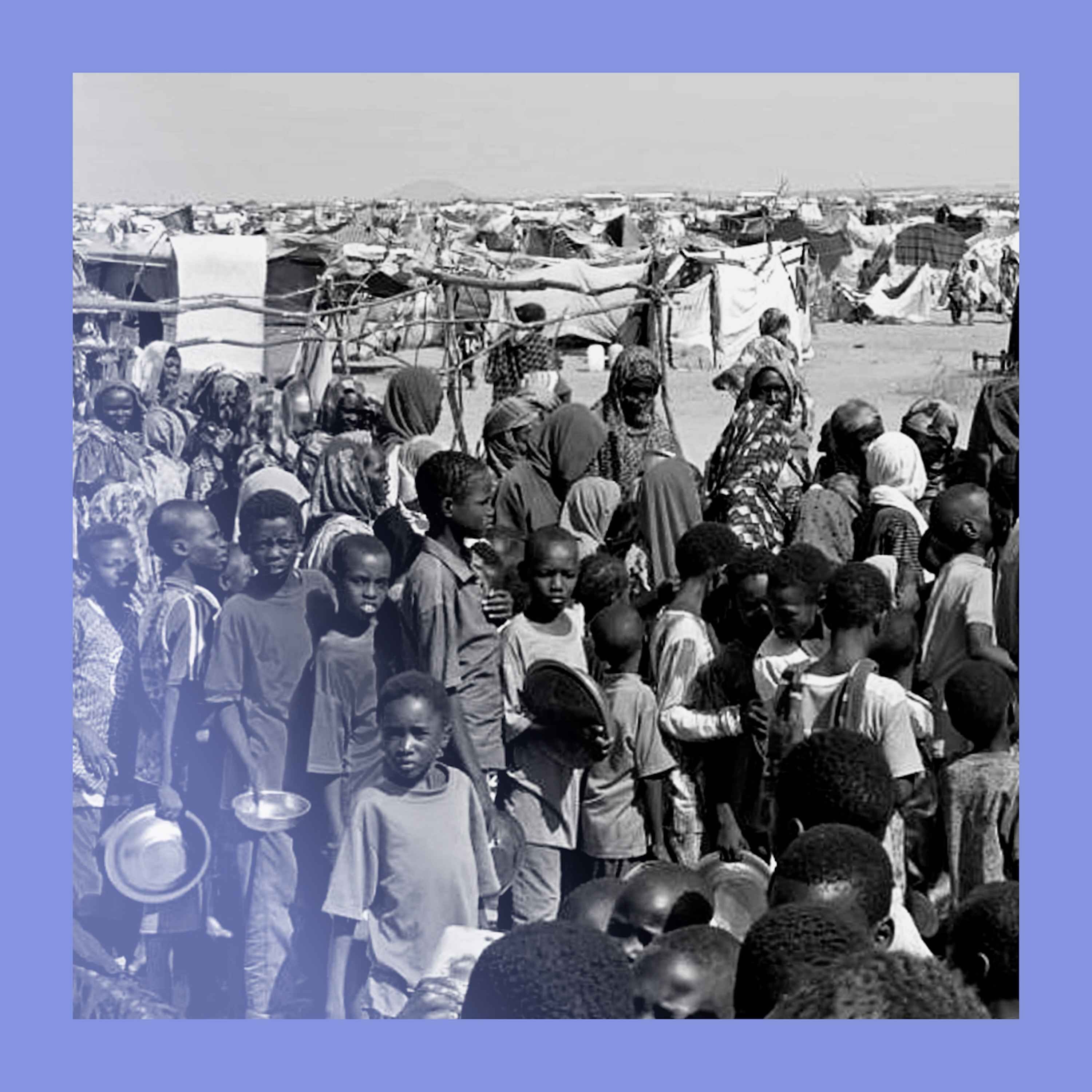
The primary international actors backing opposing sides in Sudan's civil war (UAE, Saudi Arabia, Egypt, America) are also the only group capable of brokering a settlement. This creates a paradox where the conflict's enablers are also positioned as its potential saviors, complicating diplomatic efforts.
Engaging a military with a decentralized command structure is perilous because there's no central authority for negotiation. Even if leadership is neutralized, autonomous cells can continue fighting, creating an unwinnable "headless chicken" scenario where a ceasefire is impossible to implement.

In intense conflicts, short-term ceasefires are frequently a strategic maneuver rather than a genuine move towards peace. While peace talks are publicly highlighted, both sides often use the downtime to rebuild their arsenals and rest their forces, making the truce a tool of war itself.

The conflict in Sudan has evolved into a widespread drone war, with both sides possessing significant arsenals. This means attacks are no longer confined to front lines; civilian infrastructure like hospitals and markets are targeted nationwide, making no part of the country truly safe for its inhabitants.
Violence in Nigeria is not from a single entity like Boko Haram, which has splintered. The crisis is a complex interplay between competing jihadist factions and non-ideological criminal "bandits." These groups compete for territory and resources, creating a chaotic and rapidly spreading conflict.
Both Israeli and Hamas leaders face domestic constraints that undermine peace efforts. Netanyahu fears disrupting his far-right coalition before an election, while Hamas is pressured by its patrons to cooperate but is unwilling to relinquish its power or weapons, creating a diplomatic stalemate.
The Lebanon-Israel ceasefire holds precisely because it's ambiguous. Each party interprets its obligations differently, allowing them to claim adherence while pursuing their own objectives. This ambiguity provides a necessary period of calm when a formal, rigid agreement is impossible to achieve.
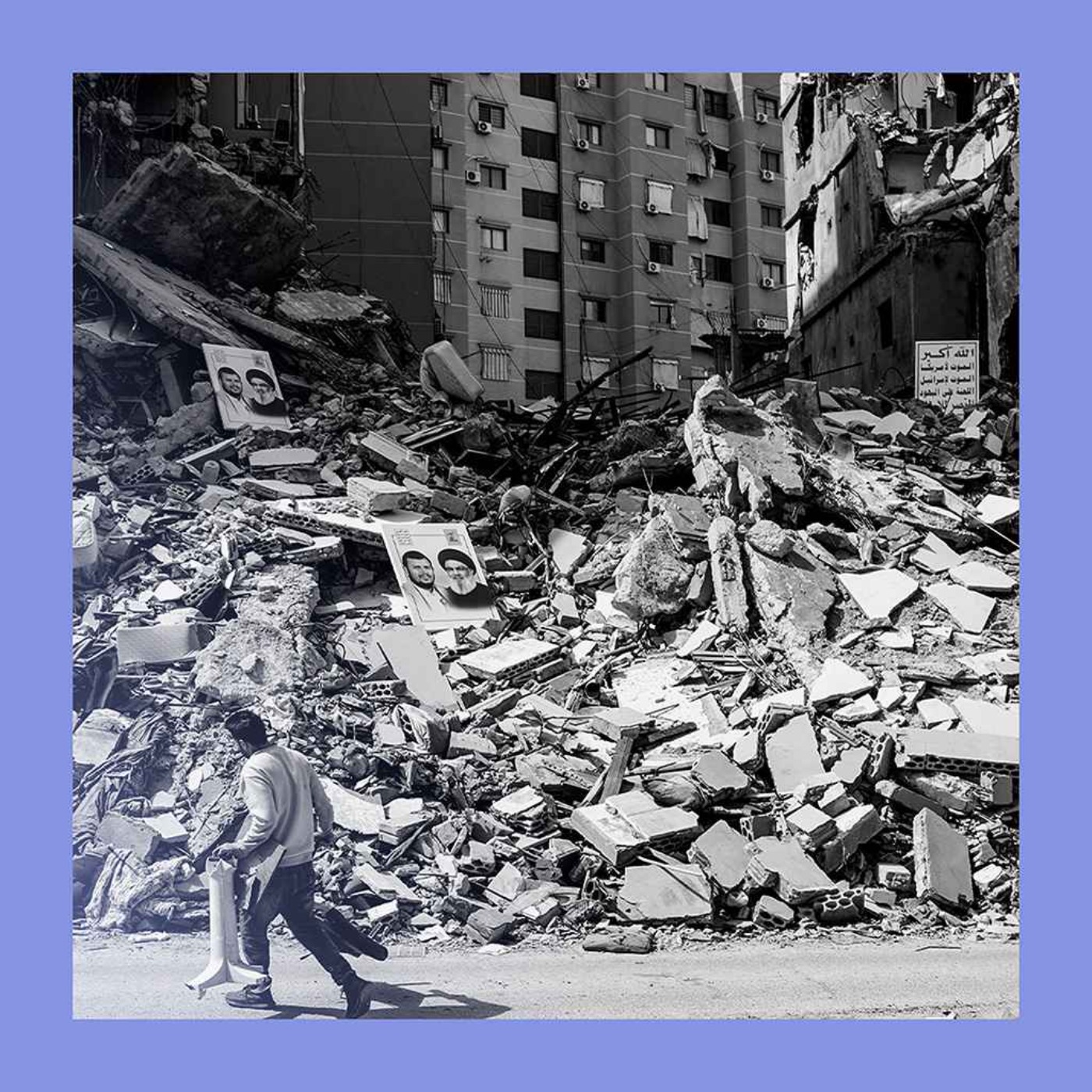
Geopolitical solutions based on earthly incentives like economic development are bound to fail when dealing with an ideology focused on martyrdom. If people believe the ultimate goal is paradise after death, they won't compromise for a better life for their children now.

High-profile peace announcements, like the Trump-brokered Gaza deal, can be misleading. Critical details such as the sequence of actions and the authority of new governing bodies remain contentious, with both parties deeply skeptical and waiting for the other to violate the terms.