Get your free personalized podcast brief
We scan new podcasts and send you the top 5 insights daily.
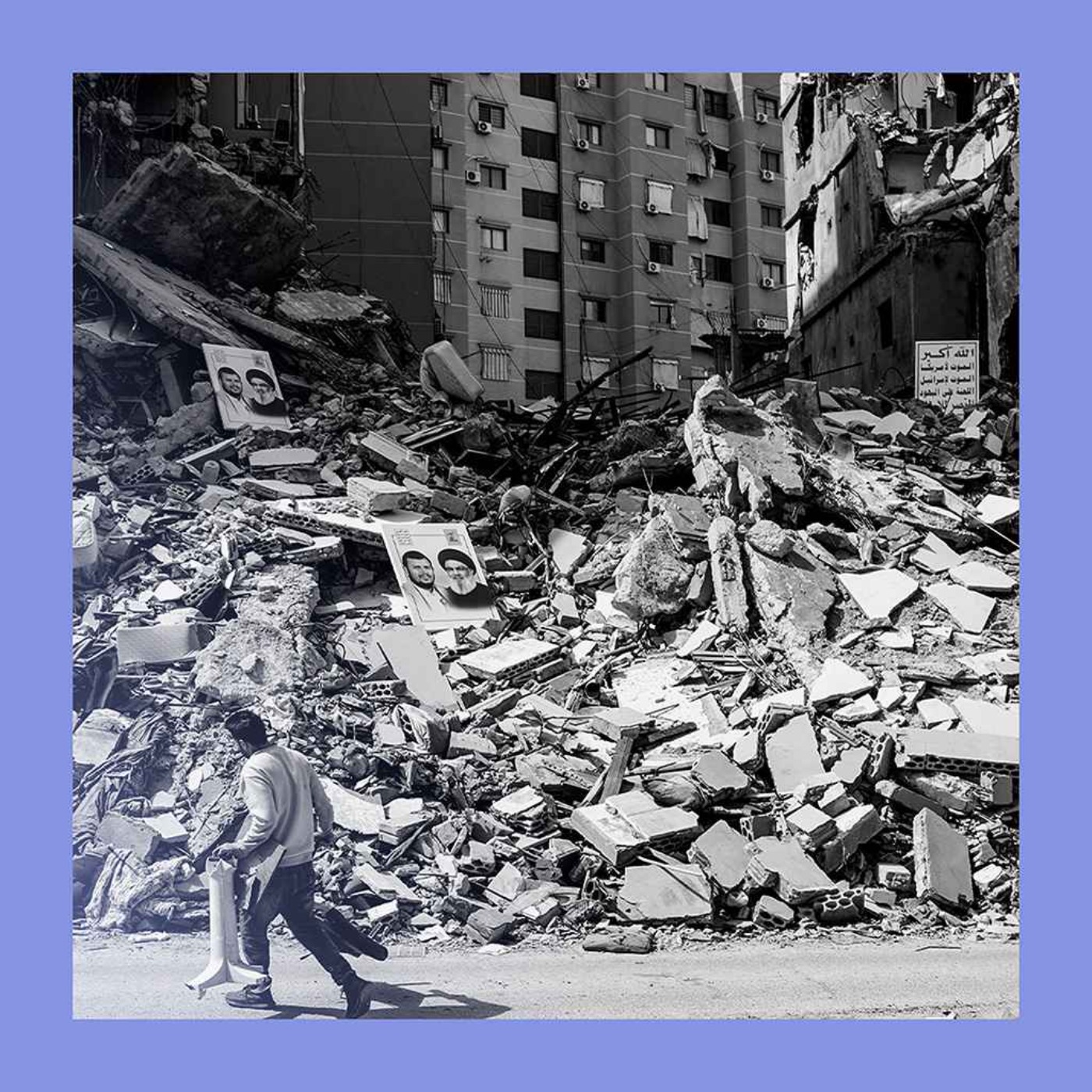
The Lebanon-Israel ceasefire holds precisely because it's ambiguous. Each party interprets its obligations differently, allowing them to claim adherence while pursuing their own objectives. This ambiguity provides a necessary period of calm when a formal, rigid agreement is impossible to achieve.
Related Insights
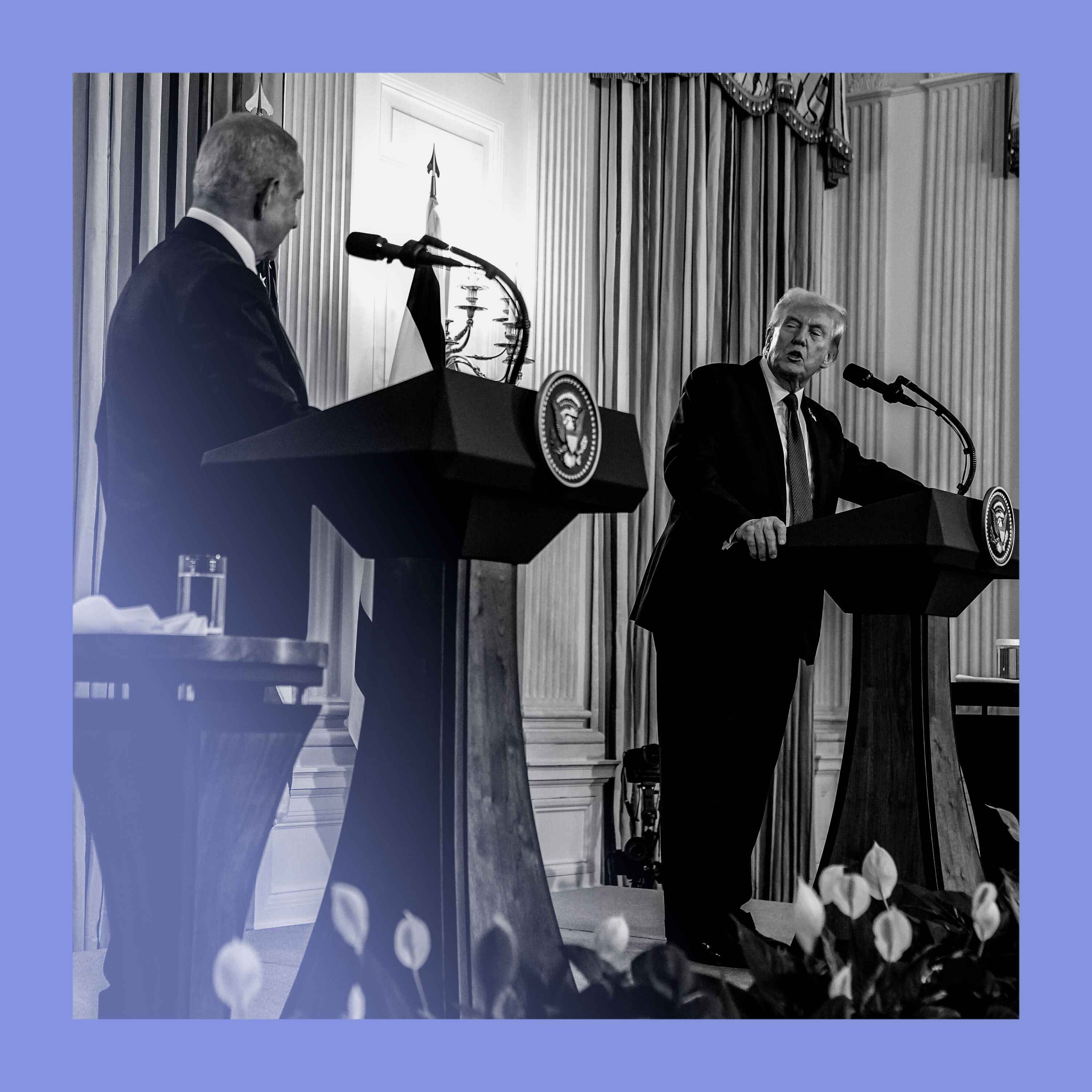
Unlike predecessors who acted as "Israel's lawyer," Trump's administration applied coercive pressure to both Israeli and Hamas leadership. According to diplomats, this impartial approach was the key to brokering a peace deal where past efforts failed.
In intense conflicts, short-term ceasefires are frequently a strategic maneuver rather than a genuine move towards peace. While peace talks are publicly highlighted, both sides often use the downtime to rebuild their arsenals and rest their forces, making the truce a tool of war itself.

Israeli PM Netanyahu's acceptance of the peace plan is a study in contradiction. While publicly endorsing the deal, he immediately rejected a key component: a role for the Palestinian Authority in post-war Gaza. This tactic creates 'wiggle room' and signals a lack of genuine buy-in, challenging the deal's future.
Even after a ceasefire, ordinary Gazans find the psychological toll of an unknown future more difficult than ongoing material hardships. The end of bombing does not bring immediate relief or hope, as fundamental questions about their lives, work, and homes remain unanswered, creating a burden greater than day-to-day scarcity.

Israeli officials are split on handling the Lebanon conflict. Diplomats favor weakening Hezbollah and empowering the Lebanese army, while hard-right politicians and military officials push for a long-term occupation of a 'security zone.' This internal division creates strategic ambiguity and complicates any clear path to resolution.

The breakthrough was achieved by splitting the agreement into phases. The initial, easier phase focuses on hostage release and partial withdrawal. The most contentious issues, like post-war governance and Hamas's disarmament, were intentionally postponed, creating both immediate success and future risk.

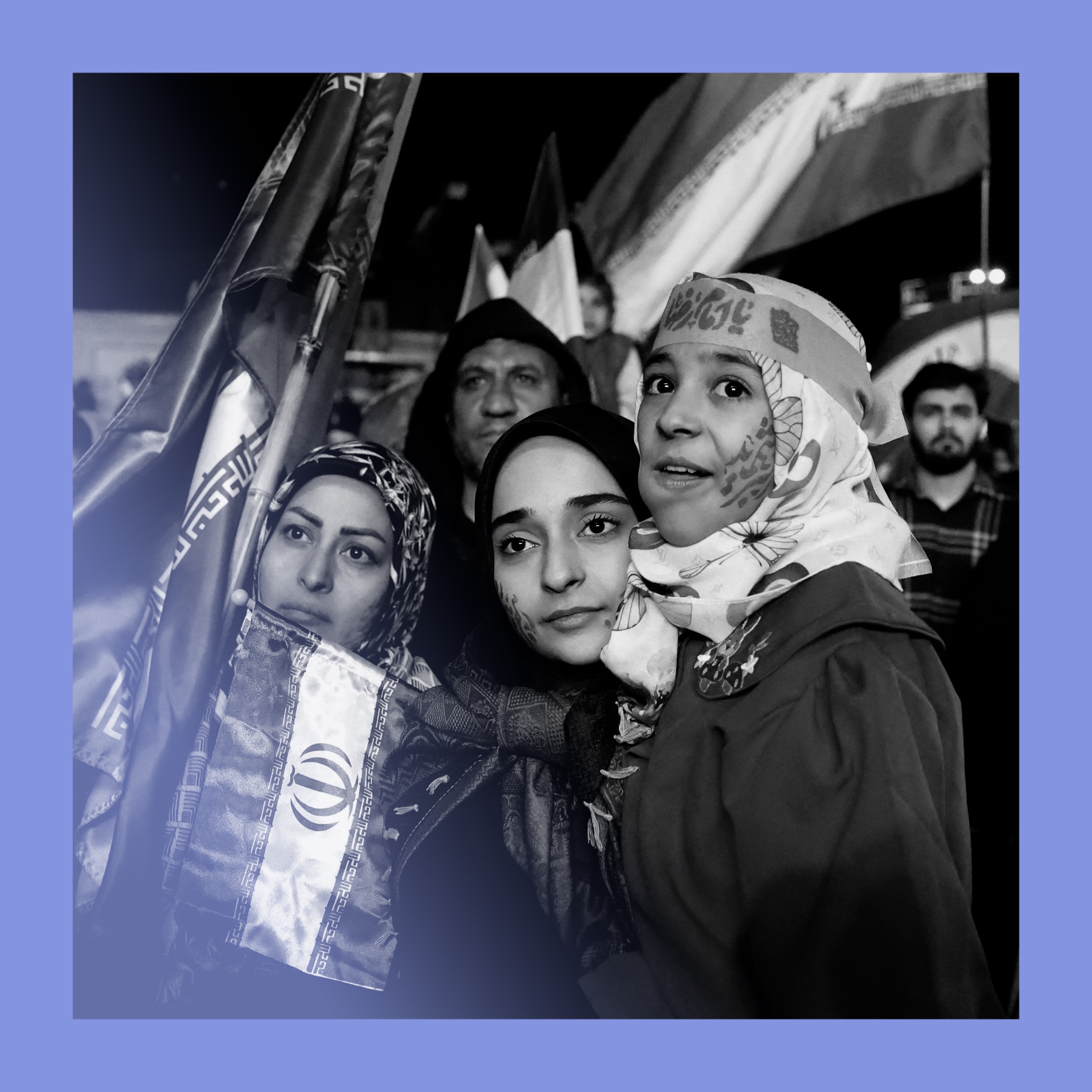
The temporary US-Iran ceasefire is fundamentally fragile because the core demands are mutually exclusive. Iran insists on its right to enrich uranium, while the US demands it swears off enrichment entirely. This core conflict makes a permanent deal highly improbable, regardless of short-term de-escalation.
Instead of bridging conflicting narratives, Donald Trump broke a negotiation impasse by unilaterally declaring Hamas's ambiguous response a success. By imposing a new narrative that "everybody wants peace," he preempted objections and forced both sides to proceed, demonstrating how a powerful actor can create momentum by defining reality.
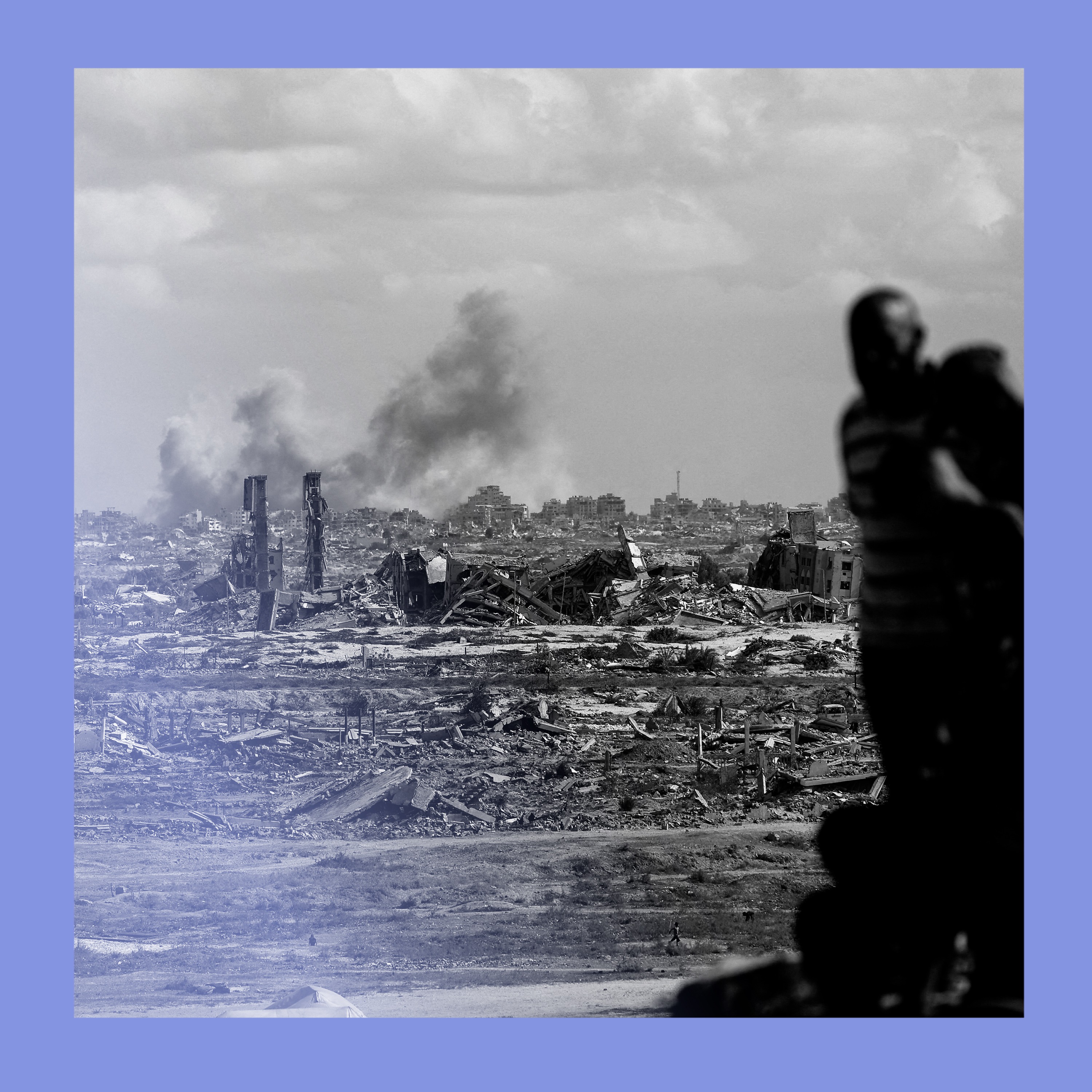
In modern conflicts, opposing sides can both credibly claim to be winning by focusing on different objectives and battlefields. The US and Israel target Iran's military, while Iran attacks its Gulf neighbors and the global economy. Each side wins its own war while losing the other's, creating a complex and self-perpetuating narrative of success.
This model, from the Iran nuclear deal, pre-commits the West to automatically reinstate sanctions and supply advanced weapons if Russia breaks the ceasefire. This removes political friction and creates a more credible deterrent than vague promises of future action.
