Get your free personalized podcast brief
We scan new podcasts and send you the top 5 insights daily.
Up to 25% of people experience a euphoric response when taking opioids, a key driver of addiction. The risk is highest for the subset of this group (about 5-6% of the total population) who also have predisposed addictive tendencies. This shows how a prescribed medication can inadvertently lead to addiction in a vulnerable population segment.
Related Insights
Humans evolved to have different "drugs of choice" as a survival mechanism. If everyone sought the same rewards, groups would quickly deplete a single resource. This once-adaptive trait now makes us vulnerable to a wide array of modern, hyper-stimulating temptations.

Brain imaging suggests people with ADHD may have a reward pathway that is less activated by stimuli and contains fewer dopamine receptors at baseline. This inherent "reward deficit" could create a state of craving even before exposure to addictive substances, increasing vulnerability.

The brain maintains balance by counteracting any deviation to the pleasure side with an equal and opposite reaction to the pain side. This opponent process is why we experience hangovers and why chronic indulgence leads to a dopamine deficit state, driving us to use more just to feel normal.
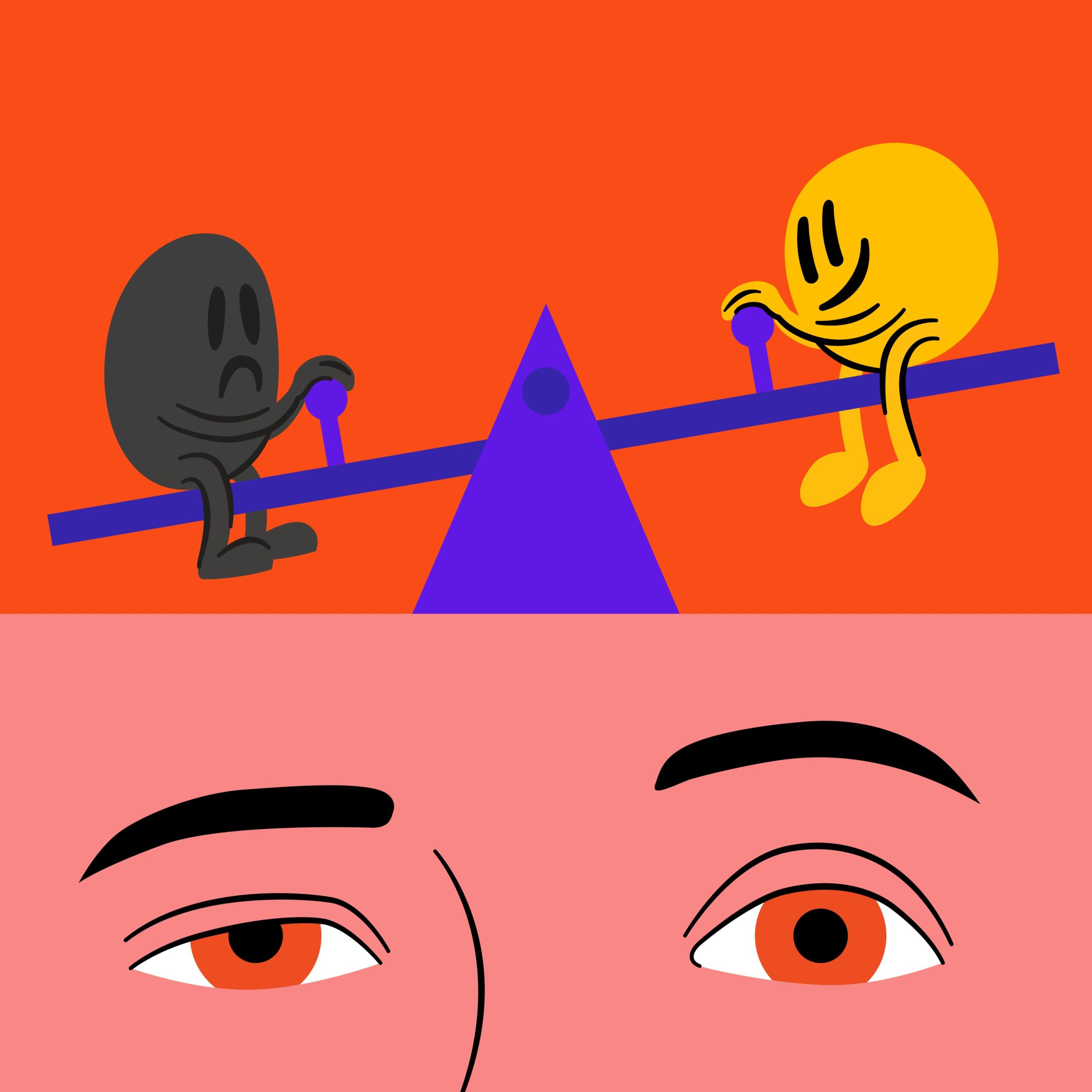
Neuroscience shows pleasure and pain are co-located in the brain and work like a seesaw. When we experience pleasure, the brain immediately compensates by tilting towards pain to restore balance. This neurological 'come down' is why constant pleasure-seeking eventually leads to a state of chronic pain and craving.
While traditional opioids target the brain's MOP receptor for pain relief (causing euphoria), the NOP receptor can enhance pain relief while suppressing MOP's addictive side effects. Tris Pharma's new drug is a first-in-class molecule that equally targets both receptors, aiming for effective pain management without the addictive high.
A 50% heritability for alcoholism is linked to how one's brain responds to alcohol. Individuals genetically predisposed to feel more stimulated ('fun') from drinking are at higher risk, while those who feel sedated are more protected. The risk is about the positive reinforcement loop, not an innate tolerance.

An animal study shows a rat, when painfully shocked, will immediately try to get cocaine again even after the habit was extinguished. This models how humans under stress revert to high-dopamine rewards because the brain has encoded this as the fastest way out of any painful state.
Addiction isn't defined by the pursuit of pleasure. It's the point at which a behavior, which may have started for rational reasons, hijacks the brain’s reward pathway and becomes compulsive. The defining characteristic is the inability to stop even when the behavior no longer provides pleasure and begins causing negative consequences.
Constantly bombarding our reward pathways causes the brain to permanently weigh down the 'pain' side of its pleasure-pain balance. This alters our baseline mood, or 'hedonic set point,' meaning we eventually need our substance or behavior not to get high, but simply to escape a state of withdrawal and feel normal.
To get FDA approval, new opioids must undergo Human Abuse Potential (HAP) studies. In these counter-intuitive trials, the goal is to lose. The drug is tested on recreational opioid users to measure its 'liking' score. Success is defined by demonstrating the new drug is significantly less preferable than existing abusable opioids like Oxycodone.