Get your free personalized podcast brief
We scan new podcasts and send you the top 5 insights daily.
Huang eschews traditional hierarchy, engaging directly with employees at all levels and delivering feedback publicly. This "parallel processing" management style ensures rapid, simultaneous learning across the organization, mirroring the architecture of the GPUs his company builds and creating a uniquely flat structure for a company of its size.

Related Insights
A powerful piece of advice from Nvidia CEO Jensen Huang encourages a cycle of impact. First, find a way to work on the most crucial projects ("get on the critical path"). Once your involvement becomes a bottleneck, your next job is to enable others and remove yourself ("get off it") to tackle the next challenge.

Jensen Huang rejects "praise publicly, criticize privately." He criticizes publicly so the entire organization can learn from one person's mistake, optimizing for company-wide learning over individual comfort and avoiding political infighting.

Jensen uses a "Top 5 Things" email system where any employee can send him their priorities and market observations. He reads around 100 of these daily to get unfiltered information directly from the "edge" of the organization, allowing him to spot trends before they become obvious.
Recoiling from Flipkart's complex leveling system (which spawned an "SD 2.5" role), PhonePe's CTO implemented a flat hierarchy with minimal titles. This structure aims to focus engineers on impact and capability growth, rather than chasing promotions and labels.
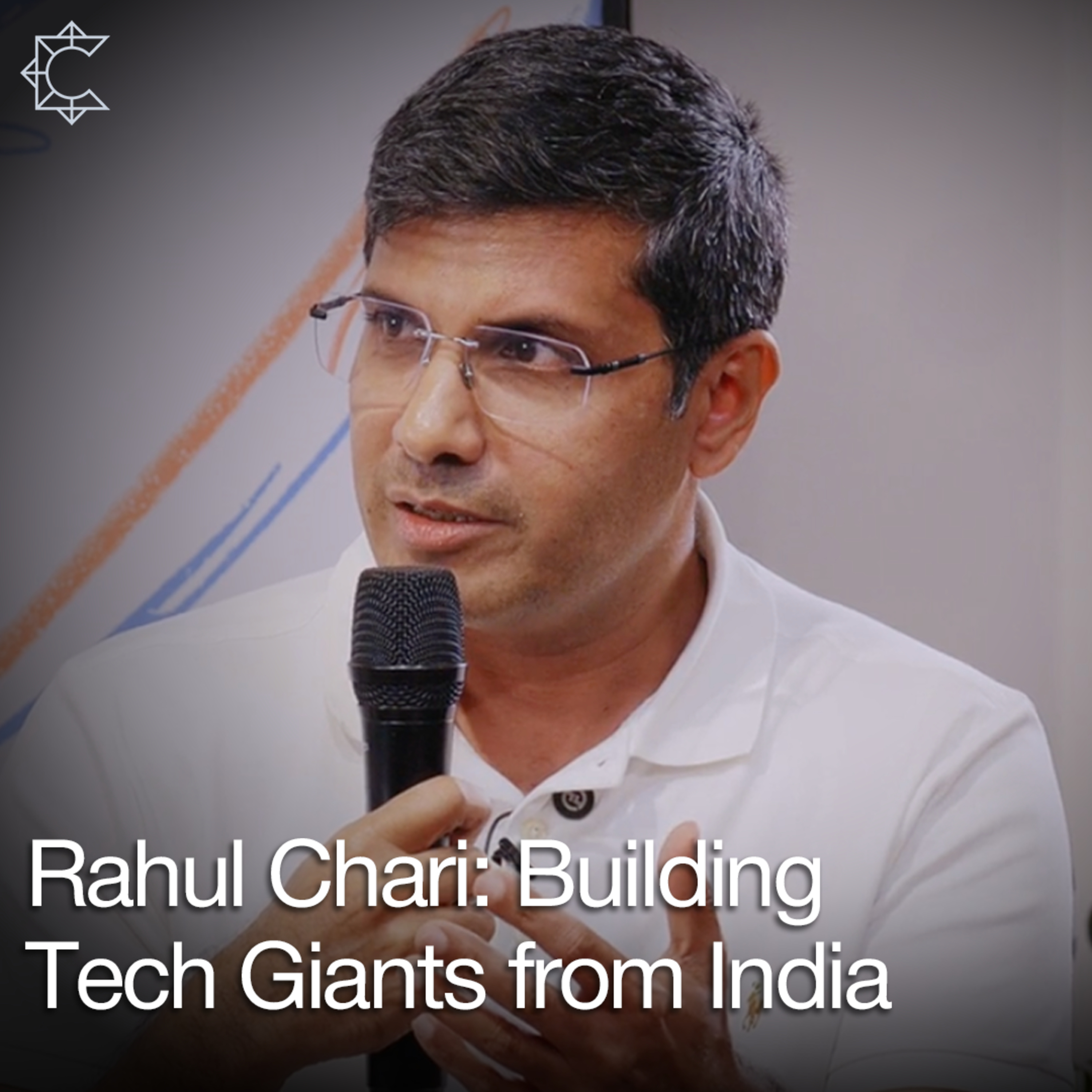
Effective leadership in a fast-moving space requires abandoning the traditional org chart. The CEO must engage directly with those closest to the work—engineers writing code and salespeople talking to customers—to access unfiltered "ground truth" and make better decisions, a lesson learned from Elon Musk's hands-on approach.
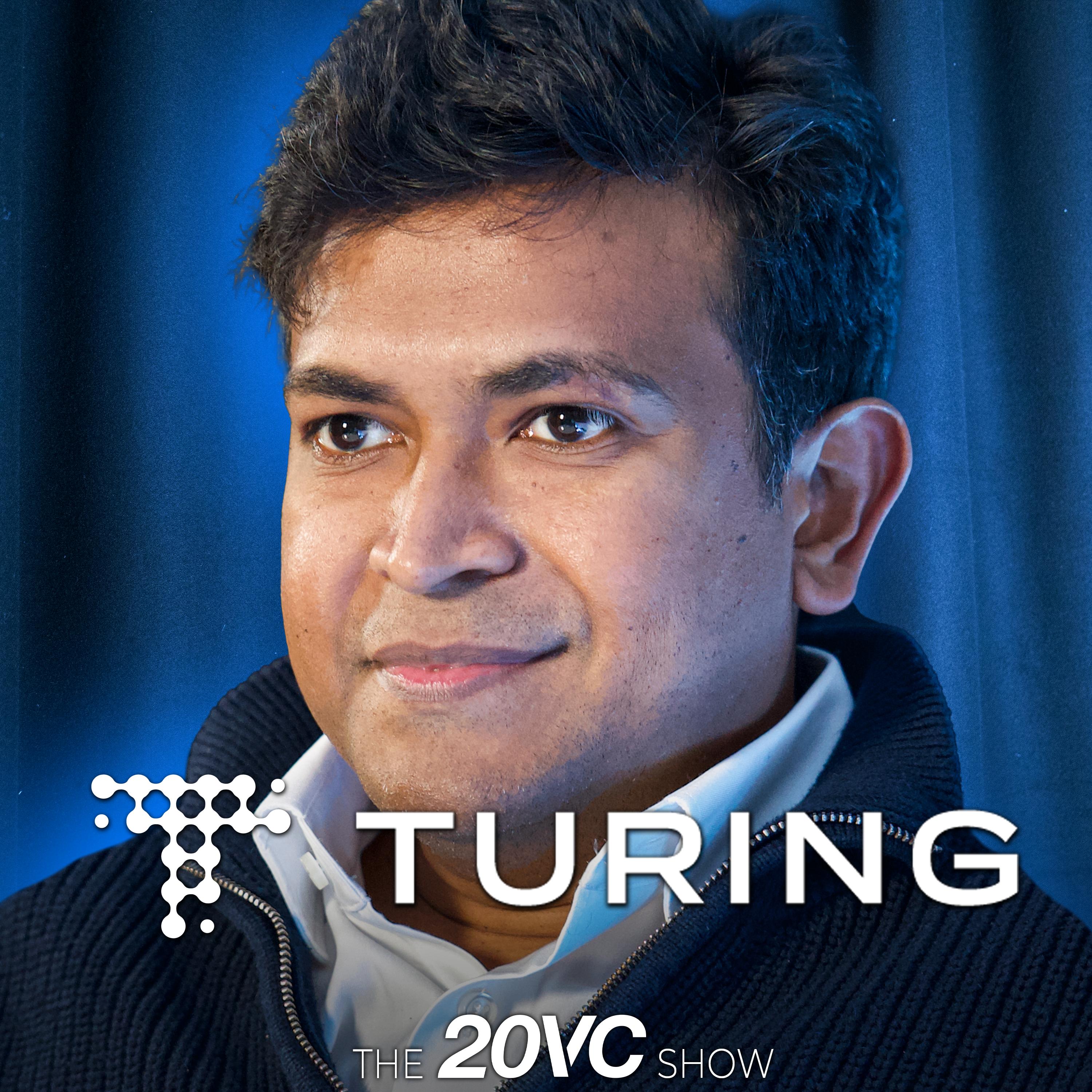
Gamma maintains a flat, high-impact organization by eschewing traditional managers. Instead, all leaders are "player-coaches"—they actively contribute as individual contributors while also mentoring their teams. This keeps leadership close to the work and empowers teams to adapt quickly without top-down commands.
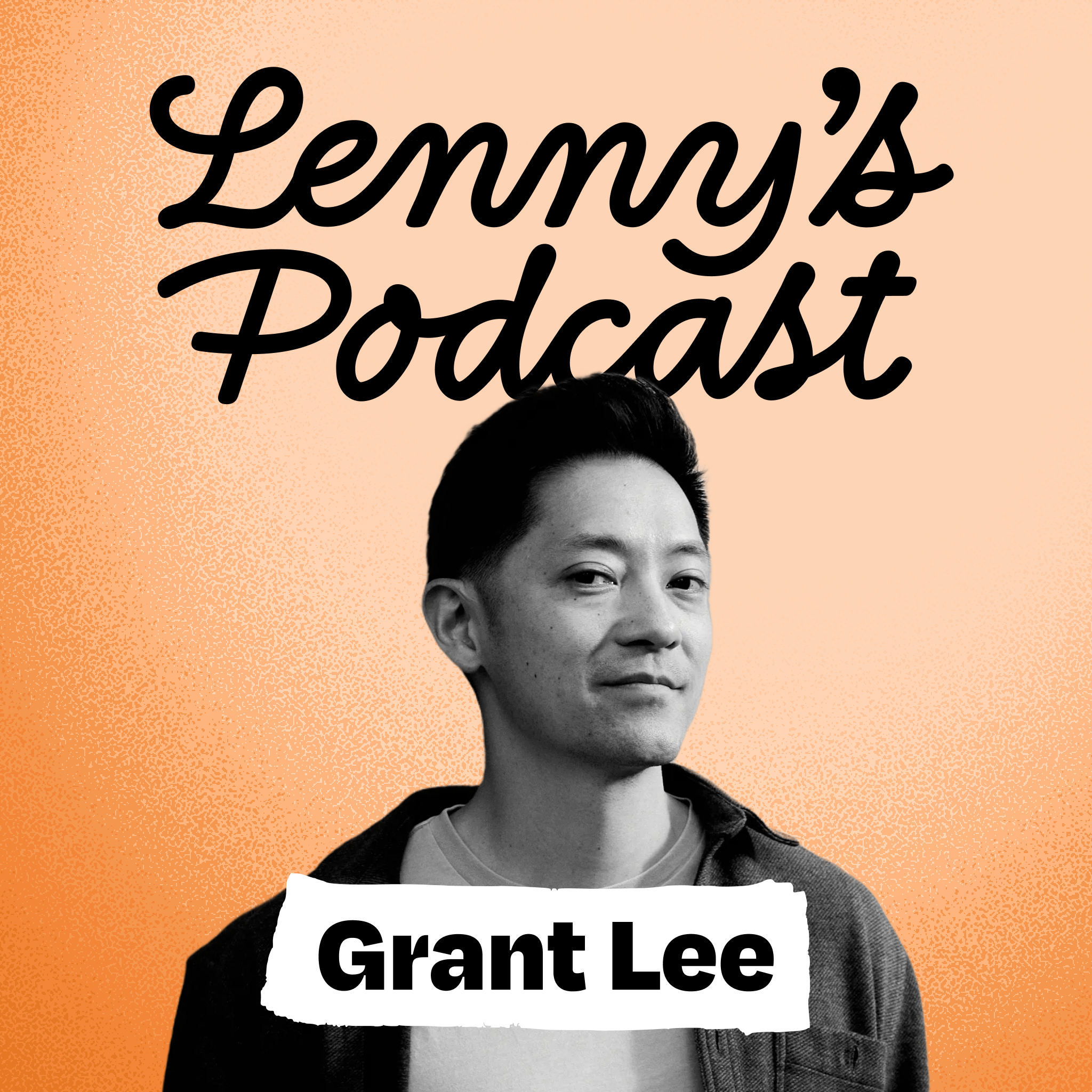
At Crisp.ai, the core value is that the best argument always wins, regardless of who it comes from—a new junior employee or the company founder. This approach flattens hierarchy and ensures that the best ideas, which often originate from those closest to the product and customers (engineers, PMs), are prioritized.
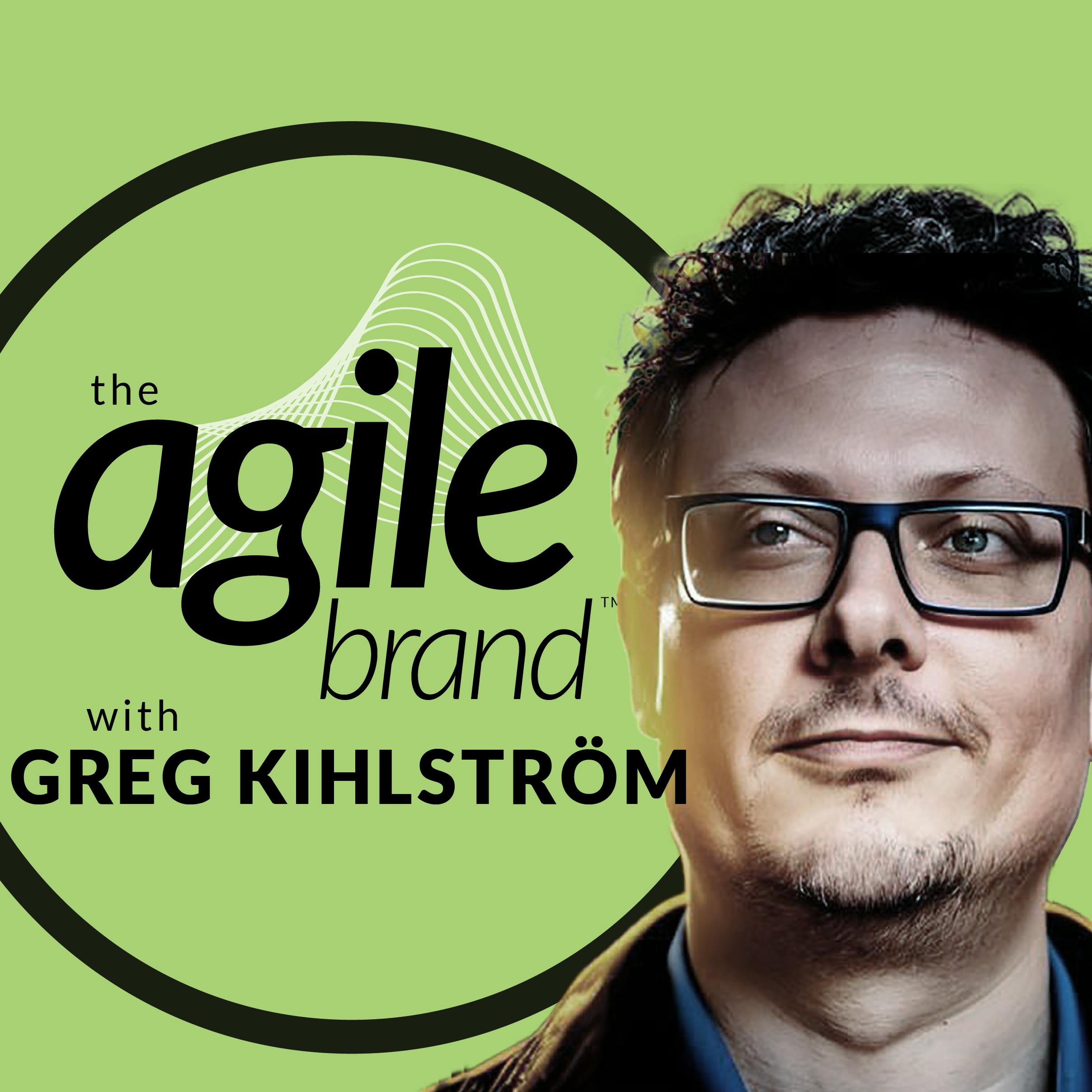
Jensen Huang uses the whiteboard as the primary meeting tool to compel employees to demonstrate their thought process in real-time. This practice eliminates hiding behind prepared materials and fosters rigorous, transparent thinking, revealing immediately when someone hasn't thought something through.
Instead of traditional managers, Gamma hires "player-coaches"—leaders who actively contribute to the work, like shipping code, while also mentoring their team. This model maintains a flat structure, keeps leadership grounded, and works best in a lean organization.
Jensen Huang maintains an extremely flat organization with around 60 direct reports and no one-on-one meetings. This unconventional structure is designed to accelerate information travel, empower senior leaders, and weed out those who can't operate without direct guidance.