Get your free personalized podcast brief
We scan new podcasts and send you the top 5 insights daily.
While the US diminishes its global standing through internal political chaos and attacks on institutions like science and universities, China is capitalizing on the void. The rise of globally recognized Chinese consumer brands like TikTok and BYD helps position China as a more stable and reliable international partner.
Related Insights
China's promotion of open-weight models is a strategic maneuver to exert global influence. By controlling the underlying models that answer questions about history, borders, and values, a nation can shape global narratives and project soft power, much like Hollywood did for the U.S.

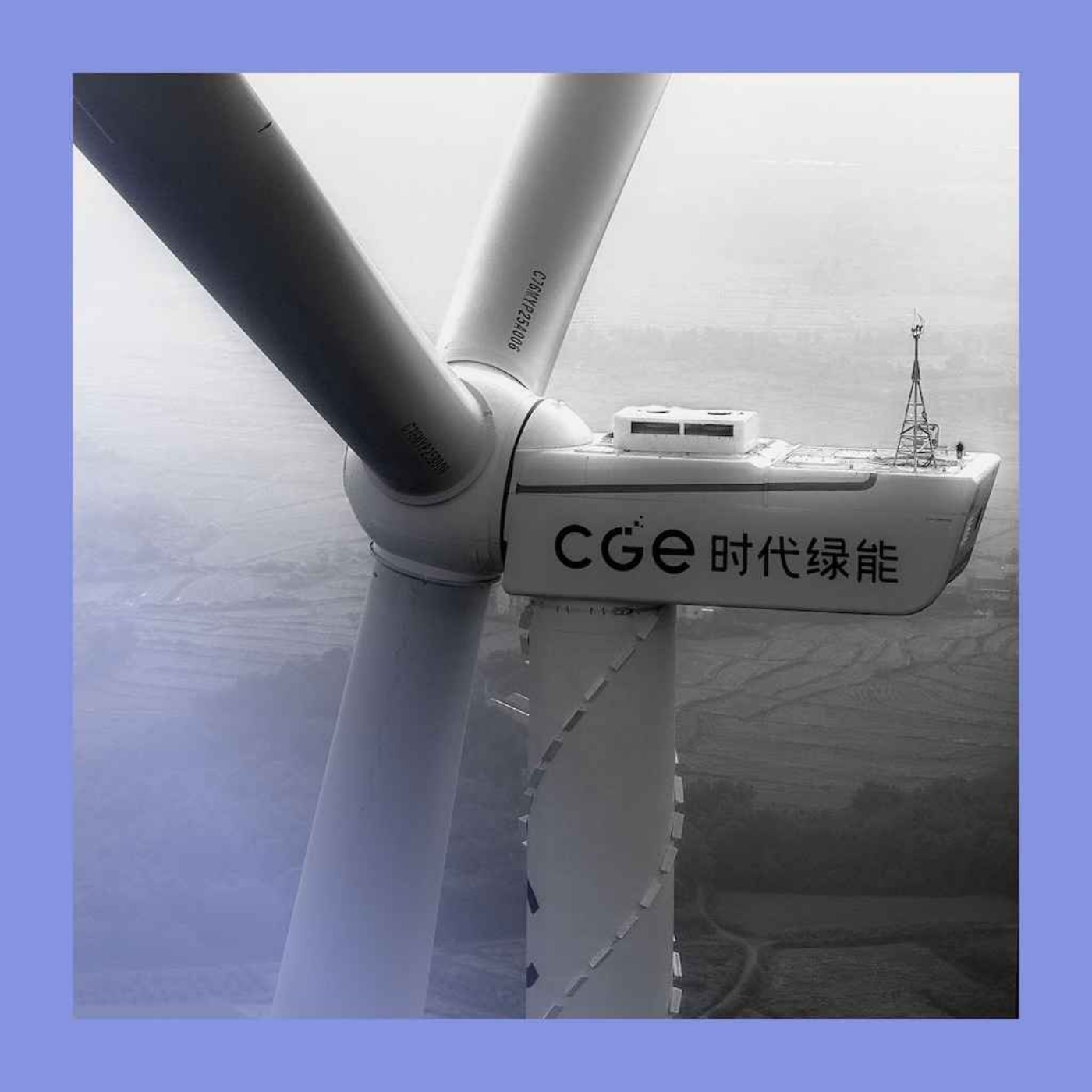
China's investment in green technology is driven less by environmentalism and more by strategic goals. By dominating renewables and EVs, China reduces its dependence on foreign oil—a key vulnerability in a potential conflict with the US—while building global soft power and boosting its GDP through green tech exports.
The podcast reveals a key insight into China's geopolitical strategy. Xi Jinping privately dismissed TikTok as "spiritual opium," a low-cost asset he was willing to sacrifice. The sale was not a major loss but an easy concession to secure continued dialogue with the U.S. on more critical issues, reframing the event as a calculated move.

The US assumes its democratic values create a trust advantage. However, unpredictable actions, like threatening to cut off tech access to partners, undermine this trust and create an opening for China. China is exploiting this by positioning itself as a more reliable, if not more ideologically aligned, long-term supplier, especially in the Global South.

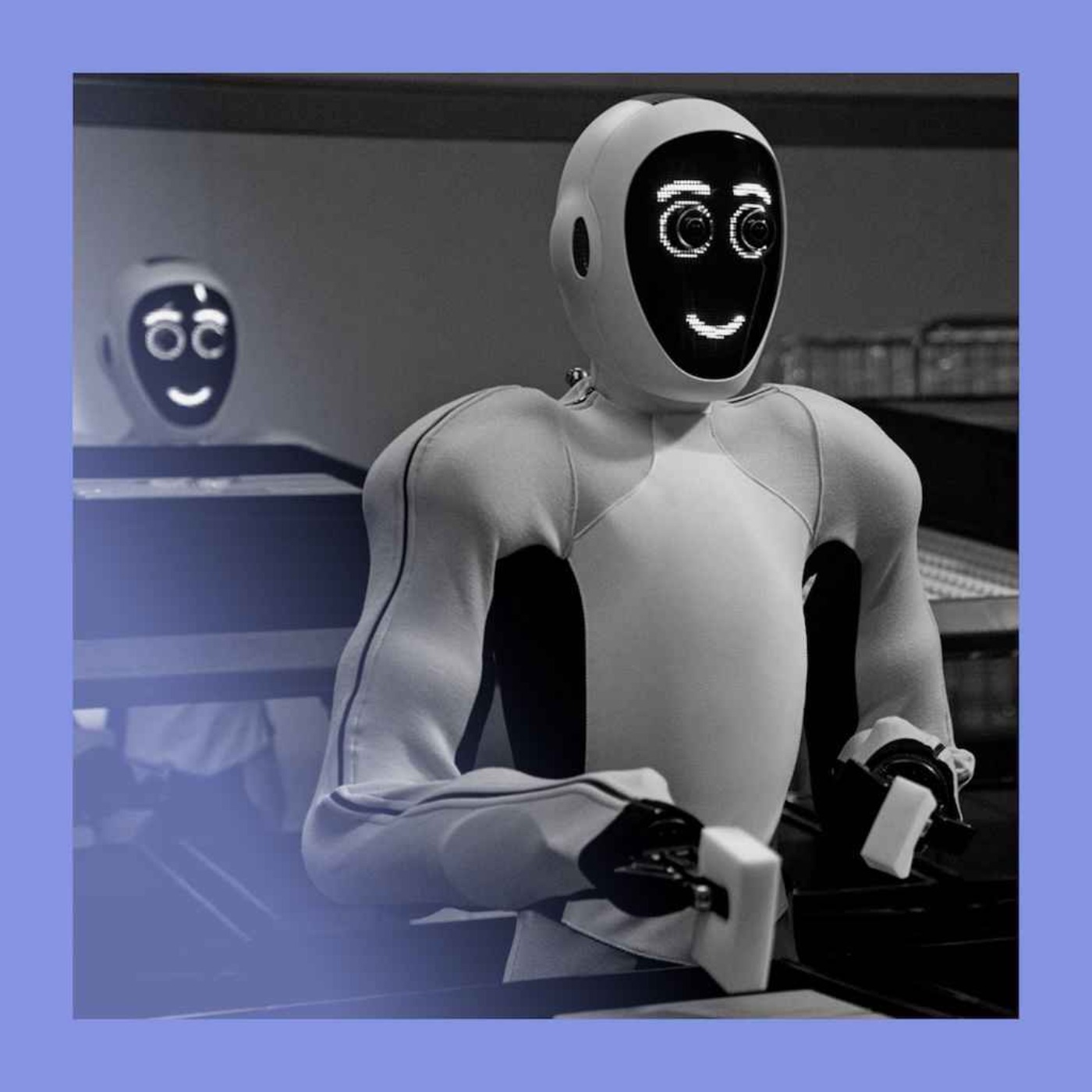
Unable to compete globally on inference-as-a-service due to US chip sanctions, China has pivoted to releasing top-tier open-source models. This serves as a powerful soft power play, appealing to other nations and building a technological sphere of influence independent of the US.

As America's global dominance wanes, power is bifurcating into two distinct successor empires. China is winning the physical world of manufacturing and military hardware. Simultaneously, the internet is winning the digital world of media (AI, social) and money (crypto, smart contracts). This succession has already occurred but has not been fully priced in by global markets.

Contrary to common perception, China holds the stronger hand in its relationship with the U.S. As the world's creditor and primary producer, China can sell its goods to billions of other global consumers. The U.S., as a debtor and consumer nation, is far more dependent on China than the other way around.
China's inner circle, led by Xi Jinping, believes the U.S. is in terminal decline. They view American social and political paradoxes—like New York, the center of capitalism, electing a socialist—not as features of a complex democracy, but as evidence of a fracturing and decaying society.

An obsessive focus on internal political battles creates a critical geopolitical vulnerability. While a nation tears itself apart with divisive rhetoric, strategic adversaries like China benefit from the distraction and internal weakening. This domestic infighting accelerates the erosion of the nation's global influence and power.
From 2001 onwards, while the U.S. was militarily and economically distracted by the War on Terror, China executed a long-term strategy. It focused on acquiring Western technology and building indigenous capabilities in AI, telecom, and robotics, effectively creating a rival global economic system.