Get your free personalized podcast brief
We scan new podcasts and send you the top 5 insights daily.
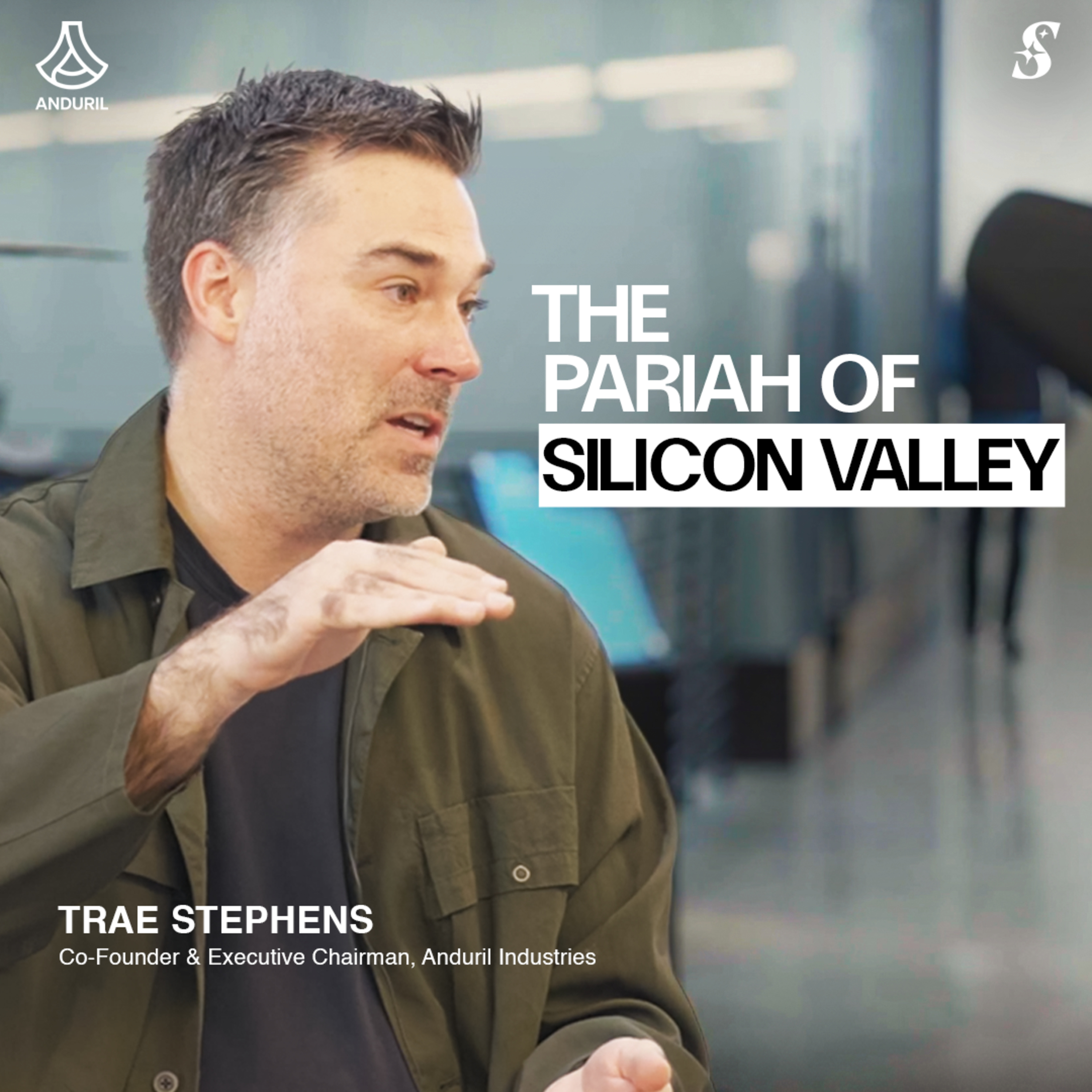
Anduril gained a significant advantage by leveraging its co-founders' experiences from Palantir. Instead of repeating the same decade-long learning curve of selling to the government, they started with a fully formed strategy, avoiding common pitfalls and accelerating their growth from day one.
Related Insights
As its reputation for delivering results grows, Palantir's sales process has flipped. With demand outstripping supply, the company no longer engages in traditional sales cycles. Instead, it requires potential clients to demonstrate their readiness and commitment upfront, making them qualify for Palantir's limited bandwidth.
Second-time founders (“Act II teams”) possess a unique advantage. They can solve the same core problem but with complete clarity from the start, knowing the edge cases and organizational structure required. This allows them to leverage modern technology while avoiding the mistakes of their first venture, as seen with the founders of Workday and Affirm.
![Henry Ellenbogen - Man Versus Machine - [Invest Like the Best, EP.452] thumbnail](https://megaphone.imgix.net/podcasts/498a0910-d6ea-11f0-aae4-8f837283e00f/image/9b60f0353346cd1b5cbd326c86e22287.jpg?ixlib=rails-4.3.1&max-w=3000&max-h=3000&fit=crop&auto=format,compress)
Applying Peter Thiel's "Zero to One" philosophy, Anduril intentionally avoided crowded marketplaces when it launched in 2017. By focusing on a defense sector completely devoid of venture-backed startups, they secured an incredible head start and built a defensible business before competitors emerged.
Luckey reveals that Anduril prioritized institutional engagement over engineering in its early days, initially hiring more lawyers and lobbyists. The biggest challenge wasn't building the technology, but convincing the Department of Defense and political stakeholders to believe in a new procurement model, proving that shaping the system is a prerequisite for success.
![Palmer Luckey - Inventing the Future of Defense - [Invest Like the Best, CLASSICS] thumbnail](https://megaphone.imgix.net/podcasts/f7c9aa8e-cb8d-11f0-828e-0b281809c10a/image/cc07f91ec47f95abbde771a4956b37b7.jpg?ixlib=rails-4.3.1&max-w=3000&max-h=3000&fit=crop&auto=format,compress)
In a tech climate wary of defense work, Anduril was "very unapologetic that they were a defense company." This clear, strong positioning acted as a crucial filter, repelling skeptical investors but attracting partners like Andreessen Horowitz who were fully aligned with their mission from the start.
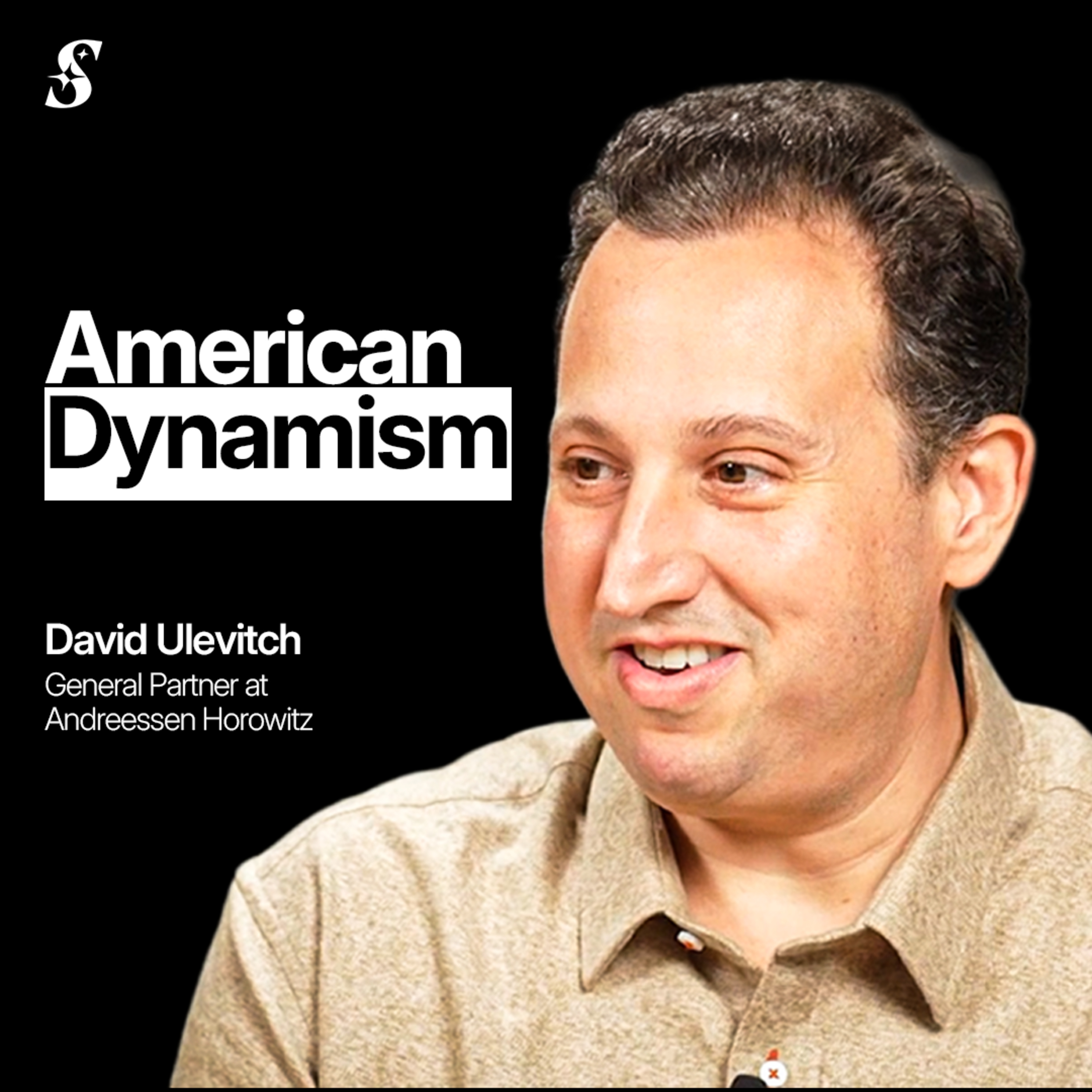
Tech companies often use government and military contracts as a proving ground to refine complex technologies. This gives military personnel early access to tools, like Palantir a decade ago, long before they become mainstream in the corporate world.

Many defense startups fail despite superior technology because the government isn't ready to purchase at scale. Anduril's success hinges on identifying when the customer is ready to adopt new capabilities within a 3-5 year window, making market timing its most critical decision factor.
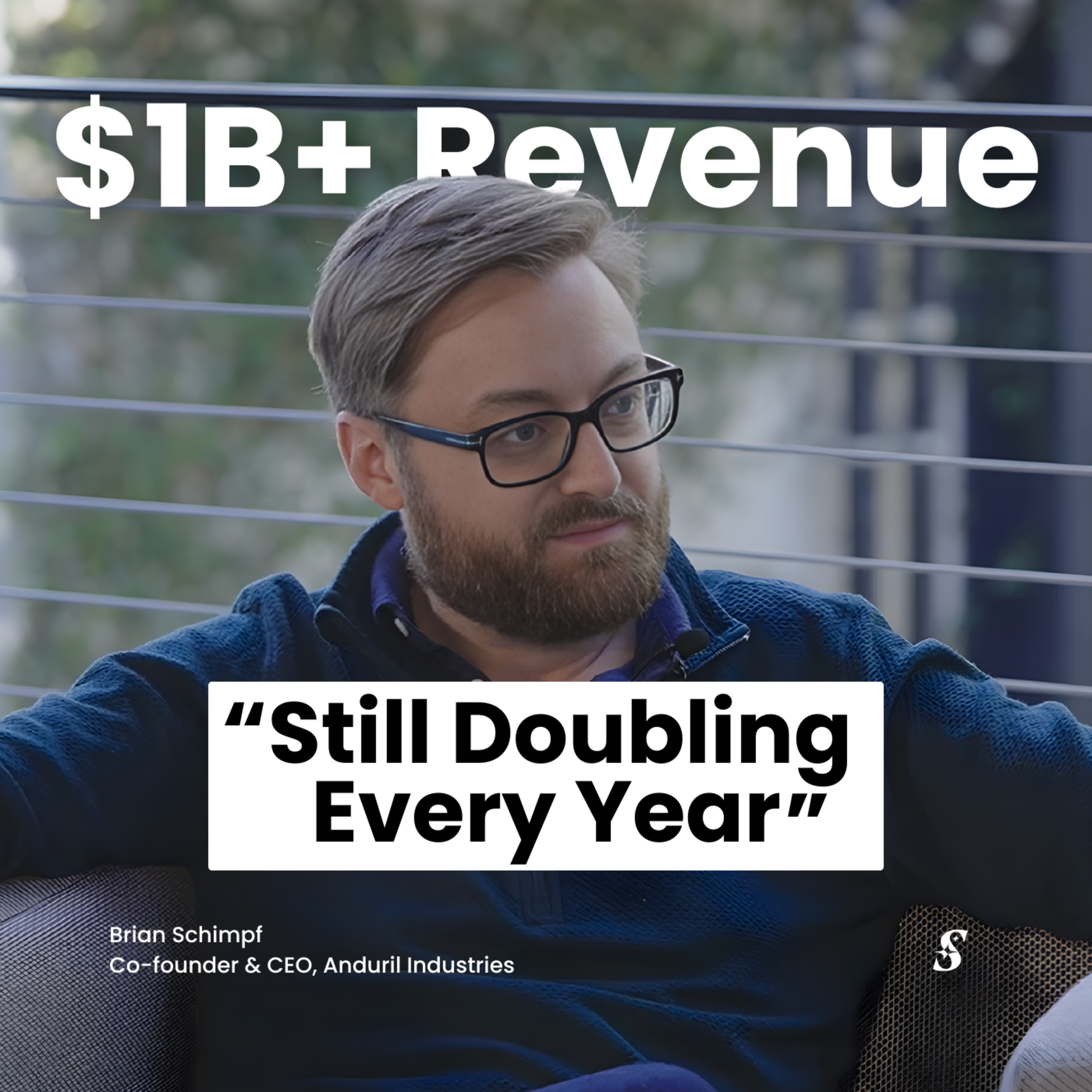
The company's leadership philosophy, borrowed from Palantir, is to hire highly opinionated and sometimes difficult talent. While this feels chaotic, these individuals are essential for innovation and adaptation, unlike talent that merely optimizes existing, stable systems.
Before writing code, Fixer ran an executive assistant agency for eight years. This allowed them to collect invaluable data on customer workflows, build a ready-made audience, and create an unfair advantage. This deep domain knowledge and GTM head start were crucial for their rapid success.

The go-to-market strategy for defense startups has evolved. While the first wave (e.g., Anduril) had to compete directly with incumbents, the 'Defense 2.0' cohort can grow much faster. They act as suppliers and partners to legacy prime contractors, who are now actively seeking to integrate their advanced technology.