Get your free personalized podcast brief
We scan new podcasts and send you the top 5 insights daily.
Before writing code, Fixer ran an executive assistant agency for eight years. This allowed them to collect invaluable data on customer workflows, build a ready-made audience, and create an unfair advantage. This deep domain knowledge and GTM head start were crucial for their rapid success.

Related Insights
To overcome the high trust barrier of accessing user emails, Fixer identified early customers with large LinkedIn followings. They invested heavily in supporting these users, then asked them to post about their experience, effectively borrowing their credibility to acquire new customers.
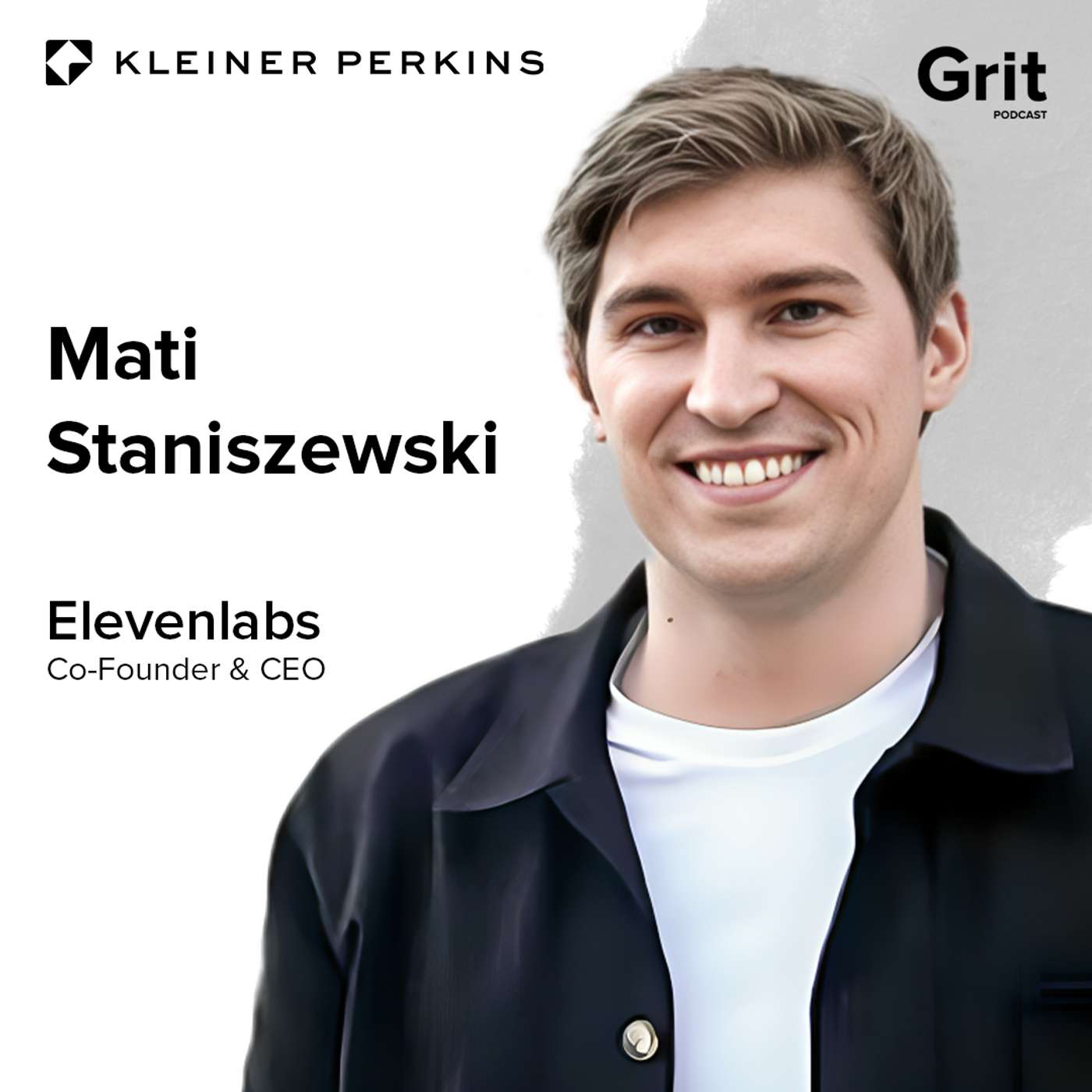
Contrary to the belief that deep-tech startups should be purely technical, ElevenLabs prioritized distribution early. Their first 10 hires included 3 people focused on go-to-market and growth, enabling both self-serve and sales-led motions from the start alongside foundational research.
Early enterprise customers won't invest time to become proficient with a complex data tool. Founders must join their meetings, operate the software for them, and surface insights to demonstrate value. This manual "data monkey" role is crucial for driving initial adoption.

Most successful SaaS companies weren't built on new core tech, but by packaging existing tech (like databases or CRMs) into solutions for specific industries. AI is no different. The opportunity lies in unbundling a general tool like ChatGPT and rebundling its capabilities into vertical-specific products.

FloQast's CMO credits his early career in B2C e-commerce for his success in B2B SaaS. The skills learned in driving direct conversions and understanding self-serve motions became a key differentiator as B2B marketing has increasingly adopted more consumer-centric tactics to engage human buyers.
![GUEST Webinar Success Secrets and REAL Lead Generation! w/CMO FloQast! [Industry Giant Accounting Platform] Ben Schechter!! 📈 Stop Counting Leads, Start Printing Pipeline | Ep. 430 thumbnail](https://artwork.captivate.fm/ee43a39b-319d-4fac-bfe8-82a5fa9d8739/ASK-US-ANYTHING.jpg)
Initially building a tool for ML teams, they discovered the true pain point was creating AI-powered workflows for business users. This insight came from observing how first customers struggled with the infrastructure *around* their tool, not the tool itself.
Instead of just selling software, Spectora offered paid SEO audits and website building. This generated early revenue and built deep relationships with initial customers, with five of the first ten converting from agency clients to SaaS users. This service later became 10% of their revenue.
Co-founder Kevin Wagstaff started a separate blog teaching home inspectors marketing and SEO a full year before Spectora's launch. This built trust, credibility, and an audience, giving them a significant advantage when they eventually introduced their SaaS product.