Get your free personalized podcast brief
We scan new podcasts and send you the top 5 insights daily.
Toy company Randomals found its breakout success not in traditional toy stores, but with Ripley's Believe It or Not museums. The quirky, odd nature of the products was a perfect fit for Ripley's audience, leading to massive orders. This shows the power of finding a distribution channel that perfectly matches a brand's unique identity.

Related Insights
A major, non-obvious sales channel was partnering with seminar companies like Skillpath. These companies held training events in hundreds of small cities the authors could never visit. By selling the book at the back of the room, they reached a massive, untapped audience, fueling word-of-mouth in overlooked markets.

Expanding from puzzles to napkins seems illogical, but Peacework did it to support a marketing campaign for a tomato-themed puzzle. The napkins sold surprisingly well, becoming a major new business arm. This shows that ignoring conventional product expansion advice can uncover unexpected opportunities.

Instead of testing every possible marketing channel, successful companies find one or two that produce power-law outcomes. This requires identifying your product's inherent advantages for distribution (e.g., social shareability for a consumer app) and doubling down there first.

Instead of relying solely on paid ads, a niche e-commerce brand can partner with micro-creators in its vertical. This creates an ambassador network that provides both a powerful sales channel and predictive data on which products will perform best.

Instead of fighting for shelf space in traditional retail (a 'red ocean'), identify and create new, unconventional distribution points like hotels, airlines, or golf courses. This 'blue ocean' strategy builds a brand moat with less competition by reimagining where a product can live.

The company's breakthrough, and its highest-grossing business segment, was the Cupcake ATM. This highlights that revolutionary growth can come from innovating on product access and delivery, rather than just the core product itself.

The founder realized her premium honey sold better in gift and souvenir shops where brand story matters more than price. This was more profitable and a better brand fit than traditional grocery stores with their high margins and unfavorable terms.

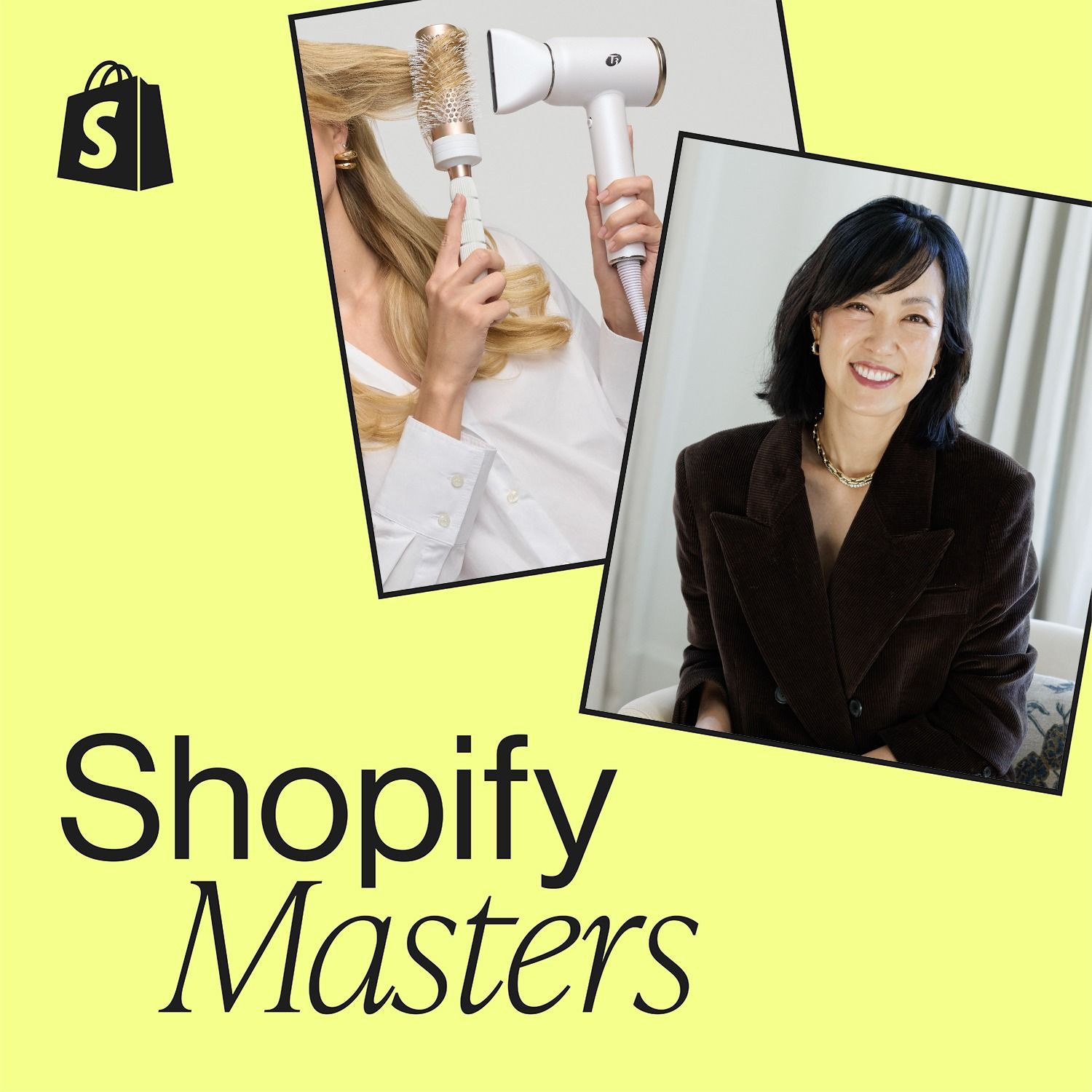
Instead of using traditional appliance PR, T3 hired a beauty-focused publicist to pitch their hair dryer to outlets like Vogue and InStyle. This out-of-the-box strategy legitimized the product as a beauty tool, created significant buzz, and directly led to Sephora discovering and contacting them for a partnership.
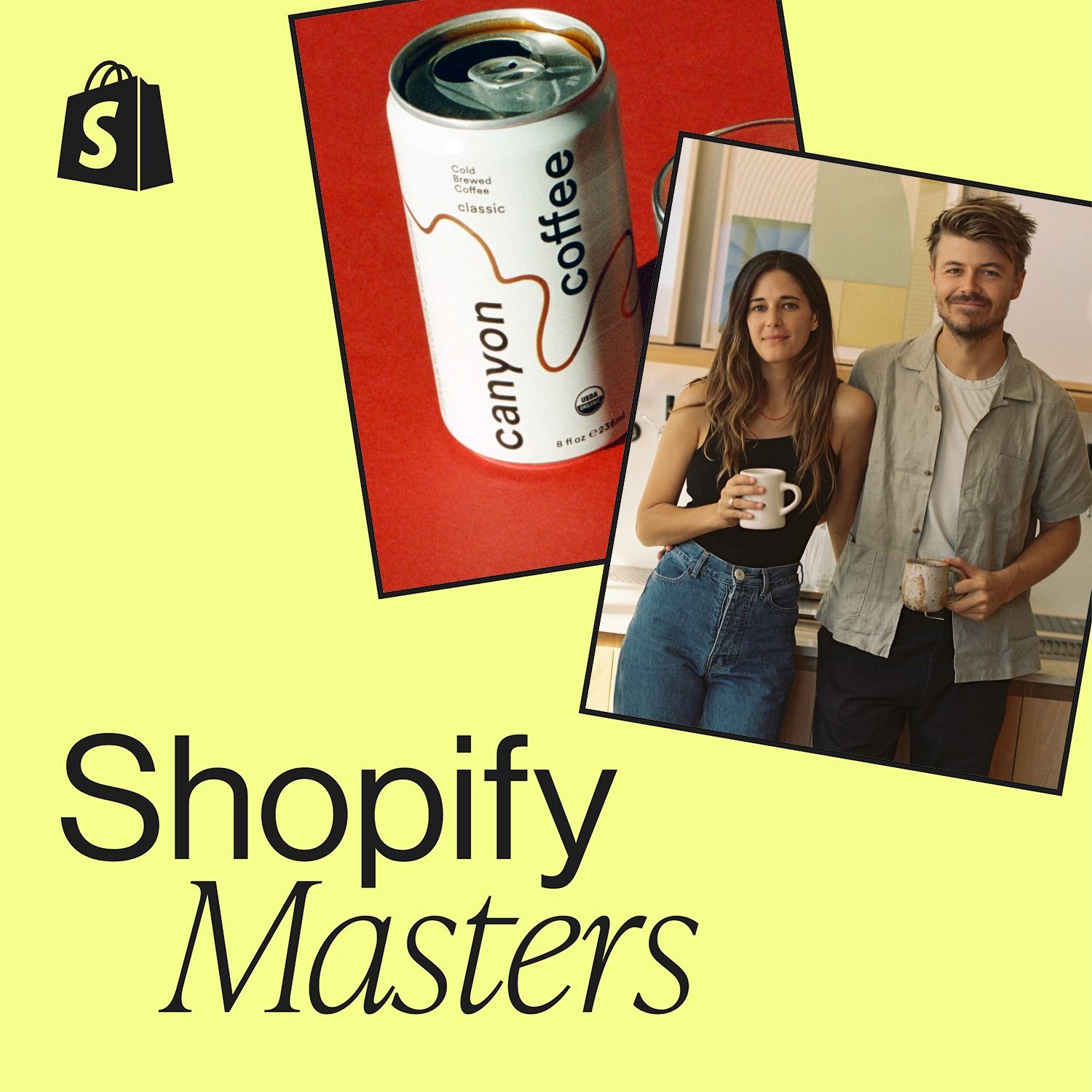
To bypass saturated coffee shop wholesale channels, the founders targeted boutique lifestyle stores. Their design-forward packaging stood out next to ceramics and books, creating a new, untapped market for specialty coffee in non-traditional retail environments.
Placing products in non-traditional venues like hotels or airports serves as a powerful discovery and sampling mechanism. This builds brand familiarity and trial, creating a flywheel effect where customers later recognize and purchase the product in traditional retail stores, boosting sales.