Get your free personalized podcast brief
We scan new podcasts and send you the top 5 insights daily.
The massive scale of the smartphone market created a surplus of cheap, high-performance components (cameras, batteries, chips). This "smartphone dividend" became an off-the-shelf supply chain that enabled the creation of entirely new hardware categories like drones, VR headsets, and IoT devices.

Related Insights
Successful "American Dynamism" companies de-risk hardware development by initially using off-the-shelf commodity components. Their unique value comes from pairing this accessible hardware with sophisticated, proprietary software for AI, computer vision, and autonomy. This approach lowers capital intensity and accelerates time-to-market compared to traditional hardware manufacturing.

The proliferation of drones is fueled by consumer electronics. Companies like Qualcomm and Nvidia provide powerful "system on a chip" components and even reference designs, making it easy for non-state actors and smaller nations to build and deploy advanced military hardware that was previously inaccessible.

Instead of focusing only on new technology, it's crucial to see how old technologies disrupt industries in new ways. Mala Gaonkar cites lithium-ion batteries, invented in 1976, revolutionizing the modern auto industry, and gaming GPUs from the past now powering the AI boom.

Contrary to the belief that new form factors like phones replace laptops, the reality is more nuanced. New devices cause specific tasks to move to the most appropriate platform. Laptops didn't die; they became better at complex tasks, while simpler jobs moved to phones. The same will happen with wearables and AI.

Significant disruption often comes from applying mature technologies in novel contexts, not just from new inventions. Gaonkar points to 1970s lithium-ion batteries revolutionizing EVs and old gaming GPUs now powering the AI boom as prime examples of this powerful investment thesis.

Consumer innovation arrives in predictable waves after major technological shifts. The browser created Amazon and eBay; mobile created Uber and Instagram. The current AI platform shift is creating the same conditions for a new, massive wave of consumer technology companies.

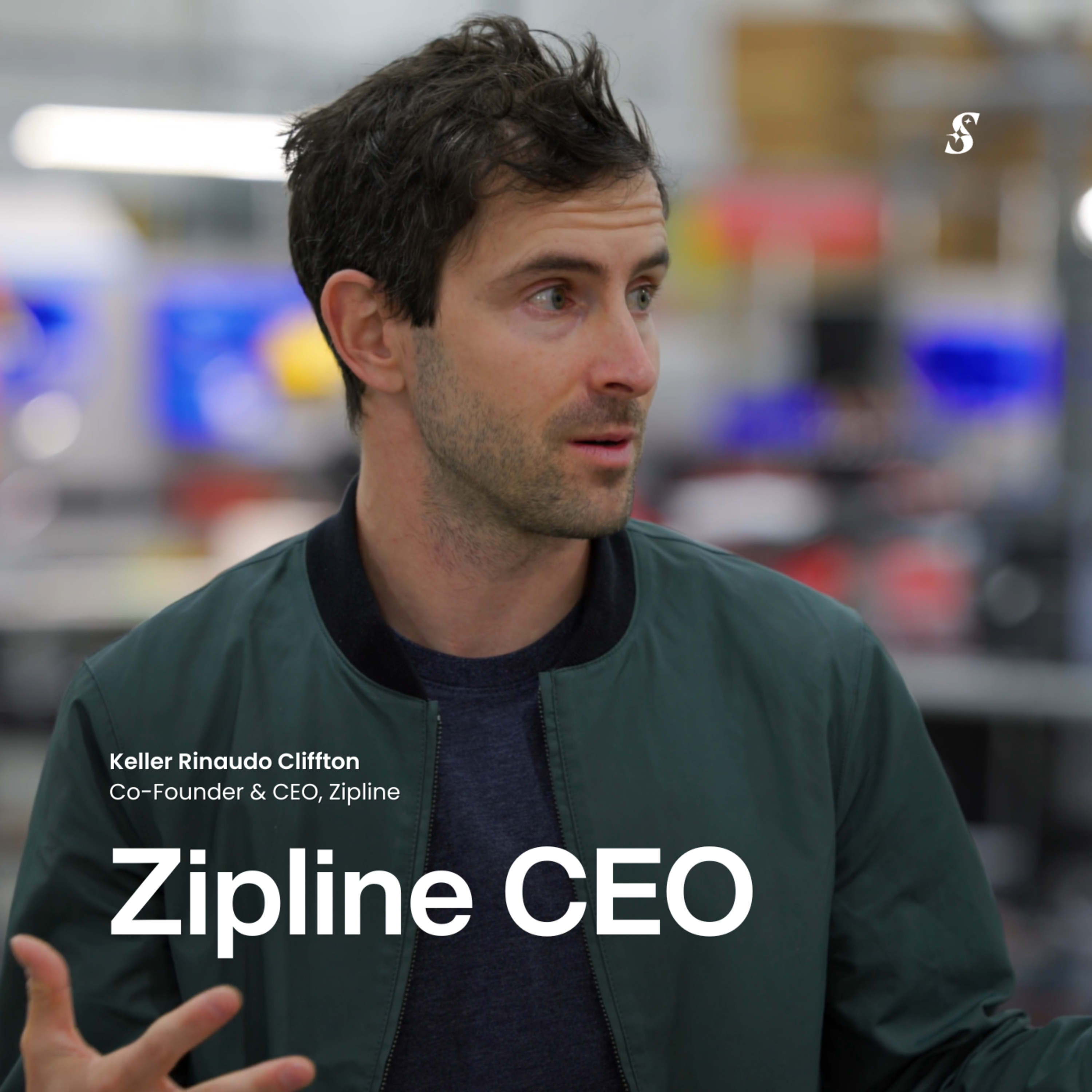
Zipline had to build its own components because the market only offered two extremes: cheap, unreliable consumer drone parts or prohibitively expensive military-grade systems. This "automotive grade" gap for reliable, cost-effective components forced them to vertically integrate to achieve their performance and cost goals.
The opportunity for Samsara didn't come from one breakthrough. It was the simultaneous maturation of three technologies around 2015: ubiquitous 4G connectivity, powerful handheld compute (e.g., NVIDIA in Nintendo Switch), and cheap, high-quality cameras driven by the smartphone boom.

Zipline is quadrupling its factory to produce 20,000 drones annually, a necessity to service a 15% week-over-week growth curve. This highlights a unique hardware scaling challenge driven by software-like demand.

The traditional model of military tech trickling down to consumers has inverted. The massive scale of consumer products like smartphones makes components cheap and powerful, leading to their adoption and adaptation by the military, which now follows the consumer market.