Get your free personalized podcast brief
We scan new podcasts and send you the top 5 insights daily.
The polo shirt has become a commodity. By selling a new line only through room service at a trendy hotel, Lacoste associates its product with luxury and indulgence. This reframes the item, retraining customers to accept a premium price point.

Related Insights
To combat price objections, artisan cheese expert Adam Moskowitz reframes his product not as expensive, but as valuable. The superior flavor-per-bite of quality cheese provides more intrinsic value than cheaper, mass-market alternatives that primarily offer a generic 'creamy' texture.

For luxury brands, raising prices is a strategic tool to enhance brand perception. Unlike mass-market goods where high prices deter buyers, in luxury, price hikes increase desirability and signal exclusivity. This reinforces the brand's elite status and makes it more coveted.
When competitors slash prices, don't join the race to the bottom. Instead, differentiate by becoming a premium brand. A segment of the market will always pay more for superior value and an extraordinary customer experience. Position yourself as the exclusive "five-star hotel" to their commodity "hostel."

When entering the market, La Colombe's wholesale price was over five times the standard rate. They overcame price objections from chefs by reframing coffee not as a commodity beverage, but as a high-quality "spice," an essential ingredient where quality dictates the price.

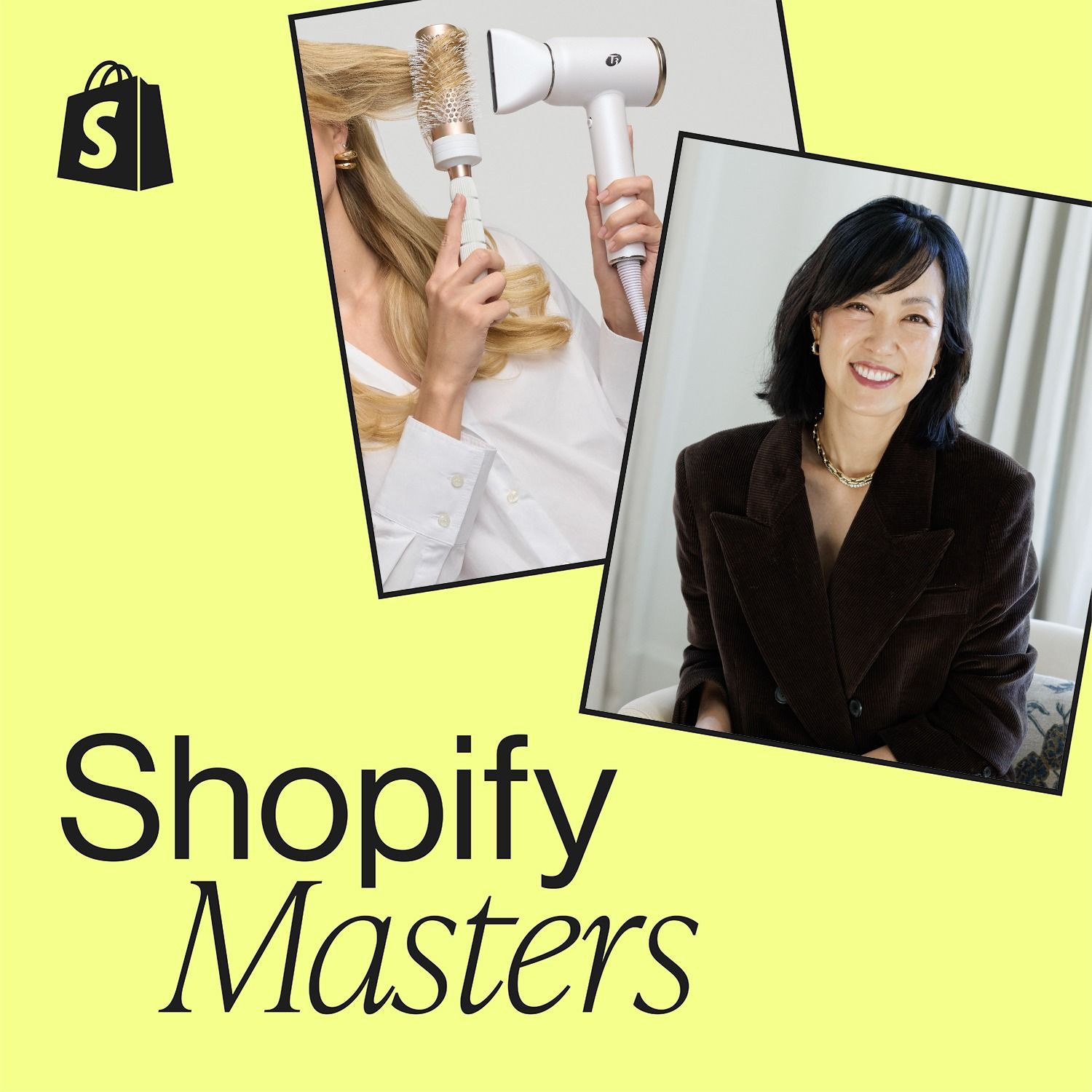
T3 redefined the hair tool category by moving its products from the home appliance section to the beauty floor. By insisting on placement next to high-end skincare and cosmetics in retailers like Nordstrom, they changed consumer perception, justified a premium price, and created an entirely new market segment.
To combat a 'cheap' reputation, online retailer Quince strategically sells limited-run, high-end items like caviar and gold bars unrelated to its core fashion line. These 'halo products' create 'luxury by association,' elevating the entire brand's perception in the minds of consumers, a tactic also used by Costco.

A strong brand transforms a commodity by pairing it with desirable traits like "winning" or "luxury." Customers pay a premium not for the physical item, but to acquire a small piece of that association for themselves. They exchange money to feel like a winner or part of an exclusive group.

Instead of competing on features, position mundane products like supplements or dental care within a desirable fantasy lifestyle (e.g., Royal England, Roman Empire). This allows a commodity to be sold at a premium by offering customers a form of escapism, a strategy typically used in apparel.

Focusing marketing messaging on the experience and feeling of using a product makes customers less sensitive to its price. Conversely, focusing on discounts or cost makes them more price-conscious. Highlighting the experience allows for premium positioning.

To overcome price objections for a premium product in a commodity category, reframe the value proposition. Instead of selling "expensive socks," Tick Socks should sell "a summer's worth of protection" from tick-borne illnesses. This shifts the customer's focus from the item's cost to the invaluable peace of mind it provides.