Get your free personalized podcast brief
We scan new podcasts and send you the top 5 insights daily.
To combat a 'cheap' reputation, online retailer Quince strategically sells limited-run, high-end items like caviar and gold bars unrelated to its core fashion line. These 'halo products' create 'luxury by association,' elevating the entire brand's perception in the minds of consumers, a tactic also used by Costco.

Related Insights
Aldi transformed its low-price, no-name-brand image into a cultural phenomenon. By leaning into the 'fun of frugality' and creating experiences like the 'Aldi Aisle of Shame,' they built a powerful fandom and brand identity around the very absence of traditional brands, turning a weakness into a core strength.
For luxury brands, raising prices is a strategic tool to enhance brand perception. Unlike mass-market goods where high prices deter buyers, in luxury, price hikes increase desirability and signal exclusivity. This reinforces the brand's elite status and makes it more coveted.
Starbucks' limited-edition items, like a "bearista" cup selling for $500 on eBay, create massive hype through engineered scarcity. This strategy shows that for certain brands, limited-run physical goods can be a more potent marketing tool than the core product itself, fostering a collector's frenzy and a lucrative secondary market.

Unlike other fruits, dates are sold under distinct brands because the industry positions them as a luxury treat, similar to chocolate, rather than simple produce. This strategy of shifting the product's purpose from utility to indulgence allows for brand differentiation and premium pricing.
When a new KFC premium product wasn't selling, they doubled the price instead of discounting it. This aligned the price with consumer expectations for a premium item, signaling quality and causing sales to soar. Low prices can imply low quality for high-end goods.

A powerful marketing gimmick involves launching a very small product batch to guarantee it sells out quickly. Brands then leverage this "sold out" status in press coverage to create a perception of high demand and build hype for subsequent, larger product releases.

Even if rarely purchased, a premium one-on-one offer serves as a powerful value anchor. Its high price tag transfers a degree of perceived value to your more accessible, scalable products. To work, you must confront the high price directly with prospects before offering a downsell.

Erewhon has redefined the supermarket as a luxury brand. Through extreme pricing, exclusive locations, a $200/year paid membership program, and an Instagram-friendly aesthetic, it sells the experience of "being seen" and having taste. The groceries are secondary to the social signaling.

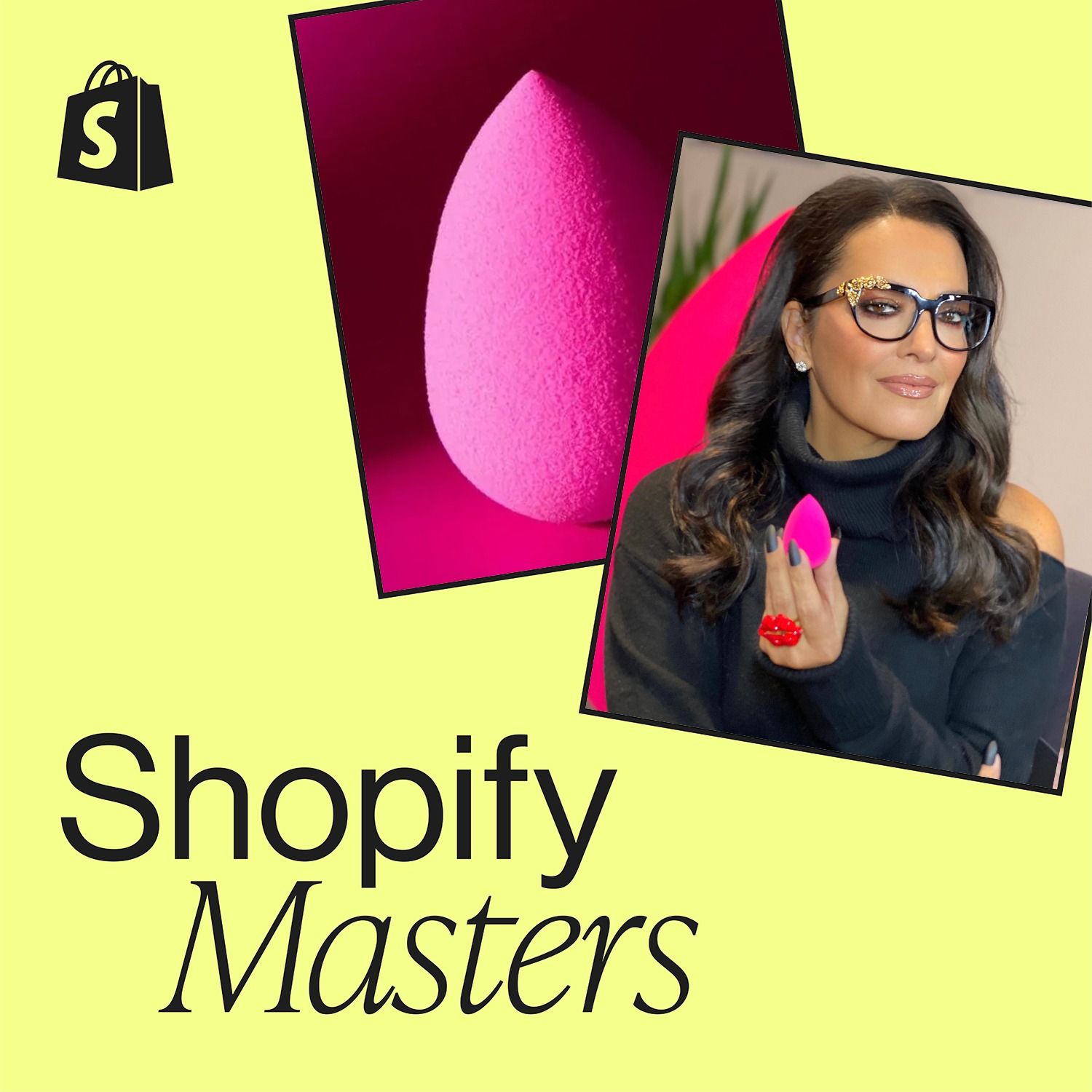
Initially threatened by dupes, Rianne Silva reframed them as a necessary market force. The existence of cheaper alternatives allowed Beauty Blender to constantly reinforce its own story of originality, quality, and superior performance, strengthening its premium brand positioning.
Contrary to popular belief, a celebrity wearing your product is not a golden ticket for sales. Heaven Mayhem's founder reveals that even massive celebrity placements often result in zero direct sales lifts. The true value is the long-term "halo effect" that boosts brand credibility and perception over time.
