Get your free personalized podcast brief
We scan new podcasts and send you the top 5 insights daily.
To overcome price objections for a premium product in a commodity category, reframe the value proposition. Instead of selling "expensive socks," Tick Socks should sell "a summer's worth of protection" from tick-borne illnesses. This shifts the customer's focus from the item's cost to the invaluable peace of mind it provides.

Related Insights
To combat price objections, artisan cheese expert Adam Moskowitz reframes his product not as expensive, but as valuable. The superior flavor-per-bite of quality cheese provides more intrinsic value than cheaper, mass-market alternatives that primarily offer a generic 'creamy' texture.

High prices are not inherently 'expensive'; their affordability is relative to the customer's income. For a high-earning client, a premium purchase can be an impulse buy, equivalent to a fast-food meal for an average person. This reframes pricing from absolute cost to a measure of the buyer's resources.

Instead of focusing only on positive gains, highlight the potential risks and negative consequences of not buying. Customers are highly motivated to avoid loss and will often pay a premium to mitigate risk, much like they purchase insurance for peace of mind, not for a direct cost saving.

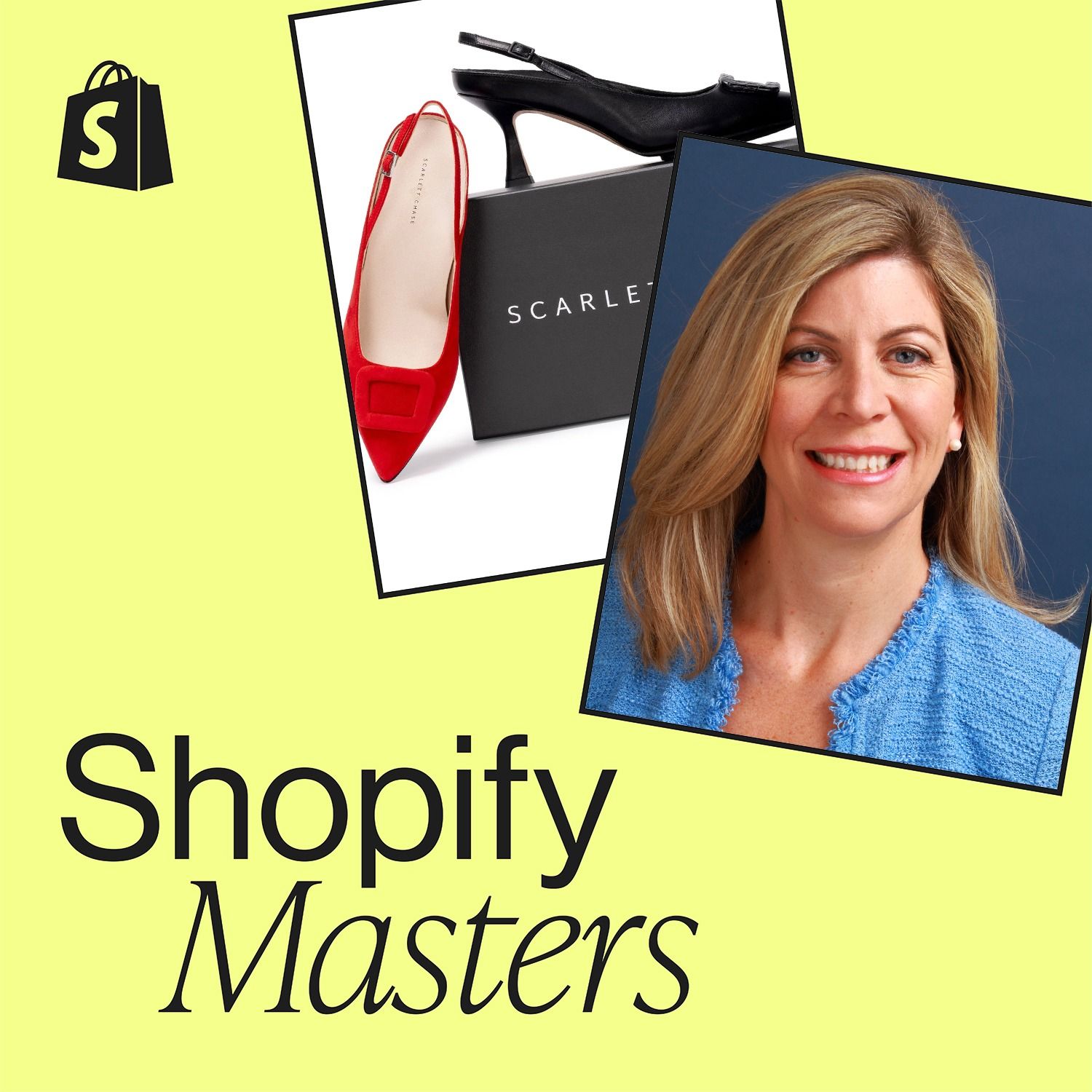
The founder reconciles the high price of her luxury shoes by positioning them as a solution that removes a major distraction for successful women. By eliminating foot pain, the shoes allow these high-impact individuals to focus their energy on more important work, making the product an investment in their overall effectiveness.
When a prospect pushes back on price, it's rarely about the absolute dollar amount. It's a symptom that they don't fully believe you can deliver the promised transformation or value. The salesperson's primary challenge is to build conviction in the outcome, which makes the price an easy decision in comparison.

Customers don't care about your P&L or that a competitor is a "side hustle." To justify a higher price, you must clearly communicate tangible benefits like better organization, time savings, or superior staff, which directly improve their experience.

Before raising prices, you must be able to articulate the customer's transformation in a single sentence. Focusing on the life or business outcome, rather than product features, allows you to see the true value you provide, which is the foundation for confidently selling at a higher price.

Price objections don't stem from the buyer's ignorance, but from the seller's failure to establish clear economic value. Before revealing the cost, you must build a business case. If the prospect balks at the price, the fault lies with your value proposition, not their budget.

Focusing marketing messaging on the experience and feeling of using a product makes customers less sensitive to its price. Conversely, focusing on discounts or cost makes them more price-conscious. Highlighting the experience allows for premium positioning.

To escape price comparisons in a commoditized market, shift the conversation from cost to risk. Use industry statistics to highlight the expensive, unforeseen problems that occur with cheaper alternatives. Position your higher-priced service as the logical choice to avoid those costly failures.
