Get your free personalized podcast brief
We scan new podcasts and send you the top 5 insights daily.
A top reason speaking submissions fail is a mismatch with the core audience. For instance, at IMEX, educational content is built for event planners (the buyers), not the hotel salespeople (the exhibitors). Deeply understand who the educational sessions are designed for before submitting a proposal.
Related Insights
Companies often default to using senior executives as spokespeople, assuming title equals authority. However, audience engagement is driven by delivery and personality, not job title. Prioritize employees who are naturally compelling speakers—even if junior—to create more effective content like webinars and podcasts.

A critical mistake in content creation for sales is leading with a product pitch. Instead, content should share insights that highlight a customer's problem, sparking a conversation. This strategy positions the salesperson as a trusted advisor who guides the buyer to the solution, rather than just a vendor pushing a product.

SKOs often fail with high-level corporate presentations. A better approach is to put top-performing reps on stage to share specific, tactical "how-to's" for key sales activities like cold calling, email outreach, and champion building, fostering peer-to-peer learning.

Tailor your message by understanding what motivates your audience. Technical teams are driven to solve problems, while sales and marketing teams are excited by new opportunities. The core idea can be identical, but the framing determines its reception and gets you more engagement.
Event programmers place immense value on recommendations from speakers they already know and trust. Building relationships with established speakers can lead to warm introductions that are far more effective than cold submissions, giving your proposal immediate credibility and a closer look.
Most sponsors waste their investment by not engaging attendees before the event. A targeted pre-show email campaign is highly effective because attendees are actively planning their schedules and are more receptive to relevant outreach, making them more likely to visit your booth.
Top-tier event programmers, like those at CES, prioritize finding the best speakers and deepest experts in a field, then build the program around them. To get selected, focus on establishing and proving your authentic, deep expertise in one specific niche, rather than just pitching a topic.
To make workshops memorable, design them around active participation rather than passive listening. Facilitate live exercises, group problem-solving, or hands-on coaching. When attendees 'do' something and walk away with a tangible result, the lesson sticks far longer than a simple presentation.

Andrew Ross Sorkin emphasizes that for the DealBook Summit, the audience is as important as the stage talent. By filling the room with peers and other influential leaders, speakers feel compelled to engage more deeply, knowing they are being judged by people whose opinions matter to them.
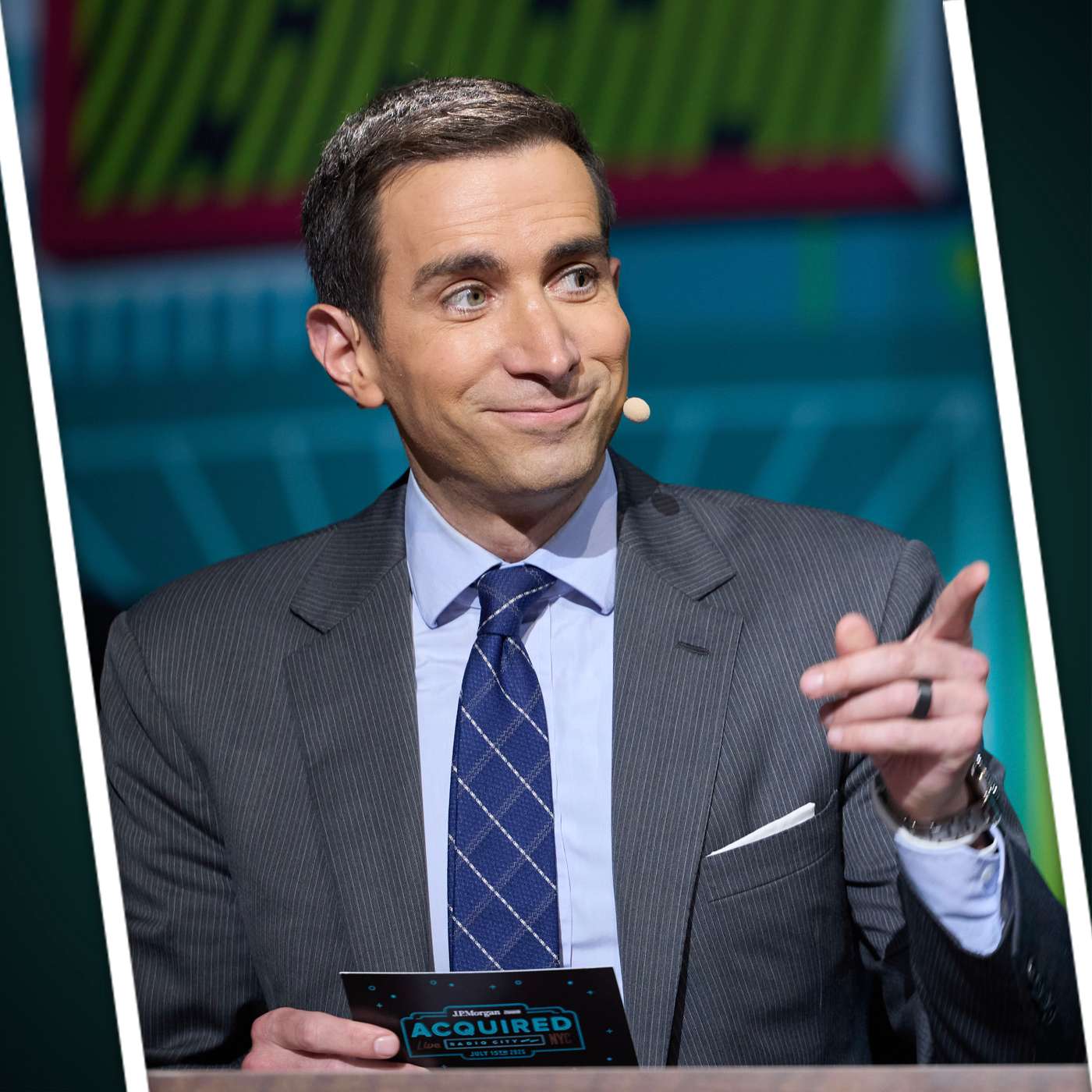
The unique pressure of having industry peers as attendees forces a higher standard of excellence. Rachel Andrews explains that since her audience is composed of other event professionals, there's no room for error. This "meta" environment serves as a powerful, intrinsic motivator to constantly innovate and deliver flawless experiences.