Get your free personalized podcast brief
We scan new podcasts and send you the top 5 insights daily.
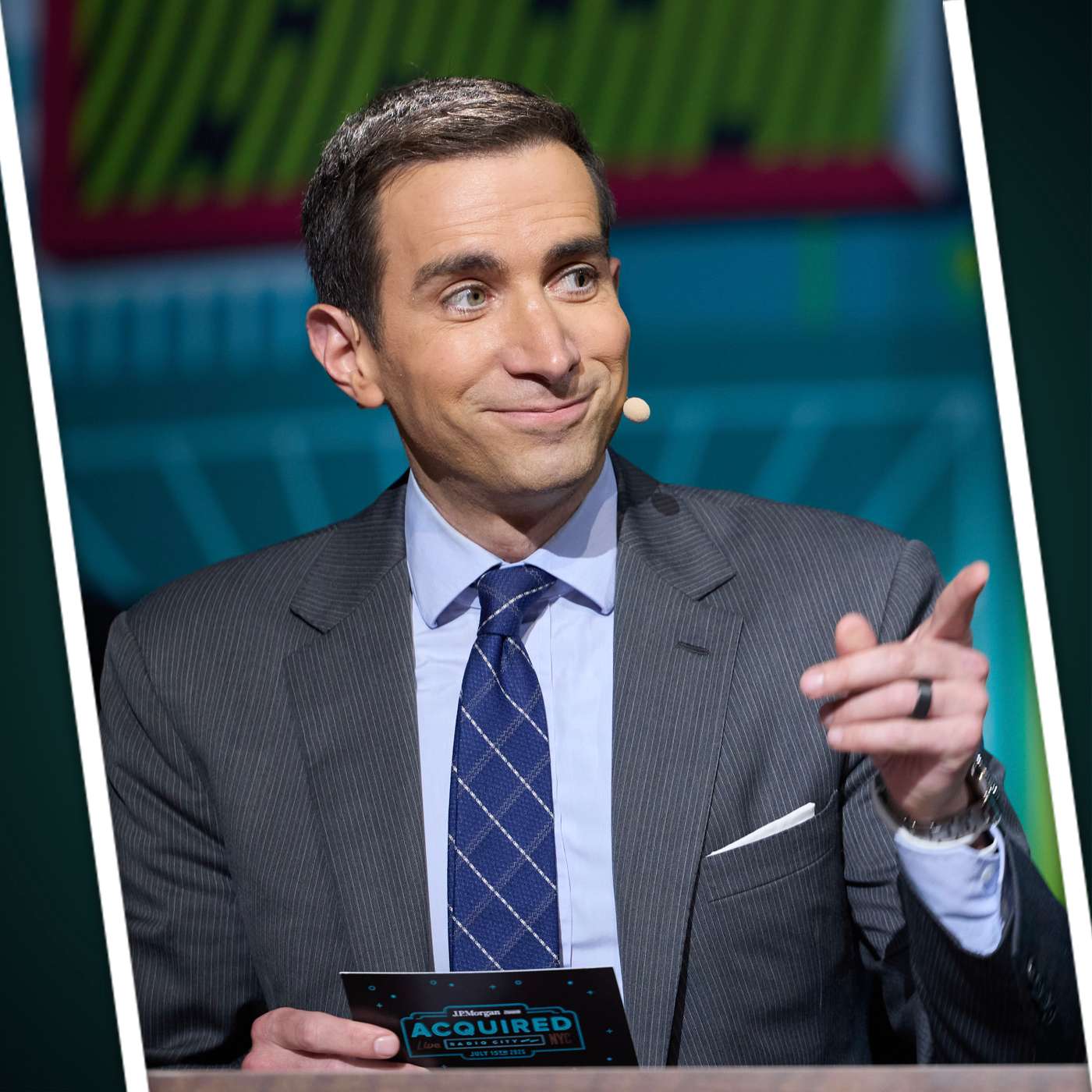
Andrew Ross Sorkin emphasizes that for the DealBook Summit, the audience is as important as the stage talent. By filling the room with peers and other influential leaders, speakers feel compelled to engage more deeply, knowing they are being judged by people whose opinions matter to them.
Related Insights
A powerful mastermind doesn't require a luxury venue or curated aesthetics. A simple setting like a hotel lobby is more effective if participants are fully committed to deep, focused work. Substance and a willingness to be vulnerable will always trump a flashy setting for transformational outcomes.

While online platforms excel at one-to-many content delivery, the unique value of offline events lies in creating psychological safety for vulnerability. Small, in-person group settings allow participants to share business fears and struggles, forging much deeper bonds than a scaled online format allows.

Attendees often value spontaneous conversations more than structured entertainment. To facilitate this, event planners should deliberately create an environment for connection. This means lowering music volume, adding comfortable seating, and avoiding a packed schedule, especially during welcome parties.
Effective facilitation is more than just managing a meeting; it's creating "proactive, productive serendipity." By intentionally connecting the right people, making them feel welcome, and structuring the environment for psychological safety, a facilitator turns random chance into purposeful, high-value interactions.
The most valuable insights from a mastermind rarely come from structured sessions like hot seats. Instead, they emerge from informal interactions: side conversations during breaks at live events, direct messages, and one-on-one follow-ups. Proactively create these connections instead of just collecting takeaways.

Simply joining a mastermind isn't enough. The real value comes when founders shift from passive observation to active, vulnerable participation. By openly sharing plans, admitting struggles, and building peer relationships, entrepreneurs can unlock the true potential of a high-level group.
Mentalist Oz Perlman landed more airtime on CNBC than any CEO by tailoring his performance to the network's world: stocks, bonds, and markets. By making his craft relevant to their audience's interests, he became indispensable. To capture attention, obsessively focus on the other person's context and needs.

The most important part of a specialized conference isn't the talks, which are typically recorded, but the 'hallway track'—the unstructured conversations with speakers and other expert attendees. Maximizing this value requires intentionality and a clear goal for engagement, as these serendipitous connections are the primary reason to attend in person.
![⚡ [AIE CODE Preview] Inside Google Labs: Building The Gemini Coding Agent — Jed Borovik, Jules thumbnail](https://assets.flightcast.com/V2Uploads/nvaja2542wefzb8rjg5f519m/01K4D8FB4MNA071BM5ZDSMH34N/square.jpg)
Andrew Ross Sorkin believes the most crucial moment of an interview is the brief, informal interaction just before it officially begins. This is the window to calm a guest's nerves, build rapport, and set a tone that encourages candor, which is more important than the first question asked.
The unique pressure of having industry peers as attendees forces a higher standard of excellence. Rachel Andrews explains that since her audience is composed of other event professionals, there's no room for error. This "meta" environment serves as a powerful, intrinsic motivator to constantly innovate and deliver flawless experiences.