Get your free personalized podcast brief
We scan new podcasts and send you the top 5 insights daily.
Top-tier event programmers, like those at CES, prioritize finding the best speakers and deepest experts in a field, then build the program around them. To get selected, focus on establishing and proving your authentic, deep expertise in one specific niche, rather than just pitching a topic.

Related Insights
When transitioning to a new industry, your lack of domain knowledge is secondary. Focus on your "superpower": the proven, repeatable process you use to deliver results. Articulate your ability to launch, rally teams, and solve problems, as these core skills are universally valuable.

Event programmers place immense value on recommendations from speakers they already know and trust. Building relationships with established speakers can lead to warm introductions that are far more effective than cold submissions, giving your proposal immediate credibility and a closer look.
A top reason speaking submissions fail is a mismatch with the core audience. For instance, at IMEX, educational content is built for event planners (the buyers), not the hotel salespeople (the exhibitors). Deeply understand who the educational sessions are designed for before submitting a proposal.
Mentalist Oz Perlman landed more airtime on CNBC than any CEO by tailoring his performance to the network's world: stocks, bonds, and markets. By making his craft relevant to their audience's interests, he became indispensable. To capture attention, obsessively focus on the other person's context and needs.

The most important part of a specialized conference isn't the talks, which are typically recorded, but the 'hallway track'—the unstructured conversations with speakers and other expert attendees. Maximizing this value requires intentionality and a clear goal for engagement, as these serendipitous connections are the primary reason to attend in person.
![⚡ [AIE CODE Preview] Inside Google Labs: Building The Gemini Coding Agent — Jed Borovik, Jules thumbnail](https://assets.flightcast.com/V2Uploads/nvaja2542wefzb8rjg5f519m/01K4D8FB4MNA071BM5ZDSMH34N/square.jpg)
Large tech conferences often foster consensus views, leading VCs to chase the same deals. A better strategy is to attend smaller, niche events specific to an industry (e.g., legal tech). This provides an information advantage and helps develop a unique investment perspective away from the herd.

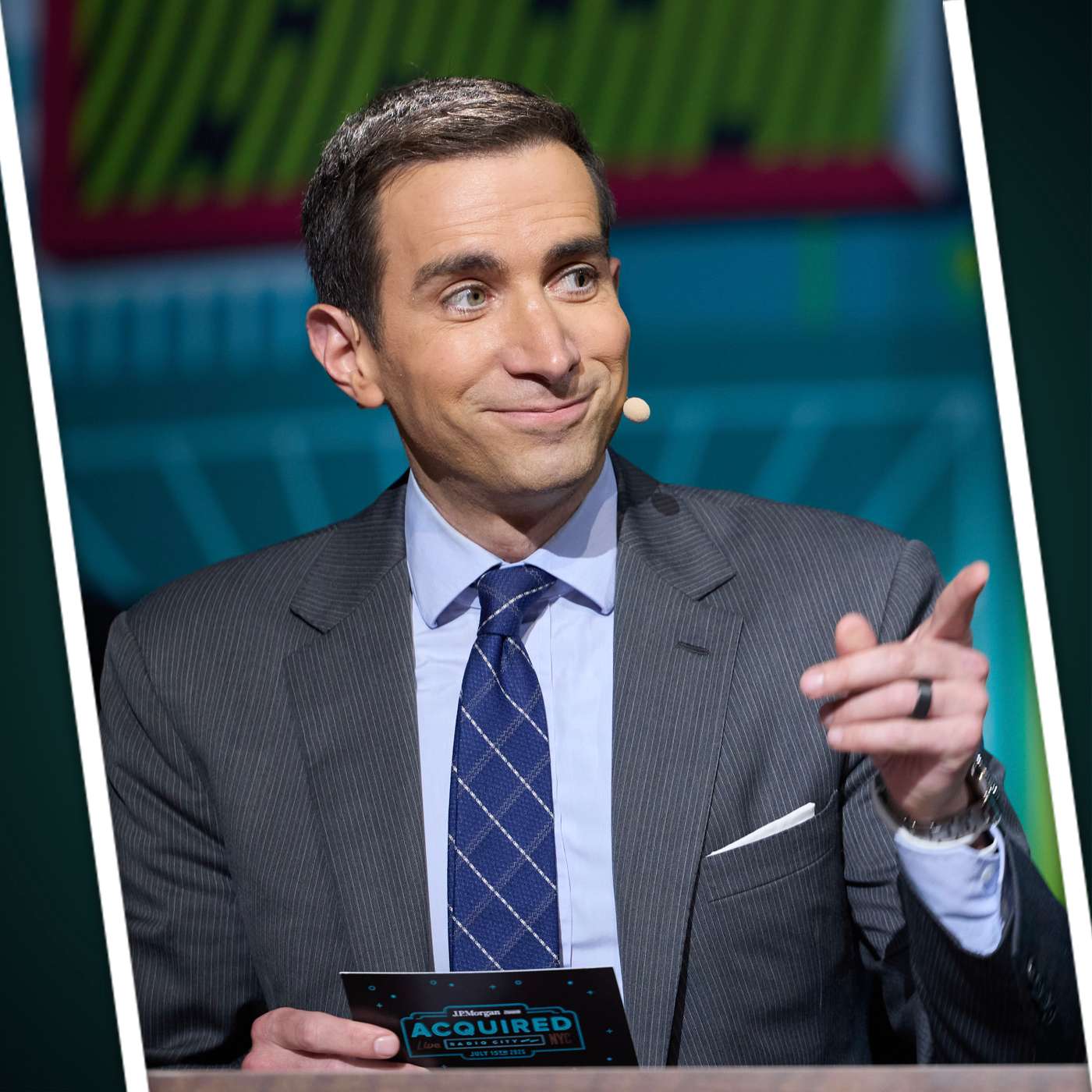
Andrew Ross Sorkin emphasizes that for the DealBook Summit, the audience is as important as the stage talent. By filling the room with peers and other influential leaders, speakers feel compelled to engage more deeply, knowing they are being judged by people whose opinions matter to them.
The unique pressure of having industry peers as attendees forces a higher standard of excellence. Rachel Andrews explains that since her audience is composed of other event professionals, there's no room for error. This "meta" environment serves as a powerful, intrinsic motivator to constantly innovate and deliver flawless experiences.