Get your free personalized podcast brief
We scan new podcasts and send you the top 5 insights daily.
With no viable military or diplomatic solution, the conflict is on a path to endless escalation. The most probable end comes from domestic politics: if the opposition party wins control of Congress in the midterm elections, they can use their constitutional power of the purse to cut funding for the war.

Related Insights
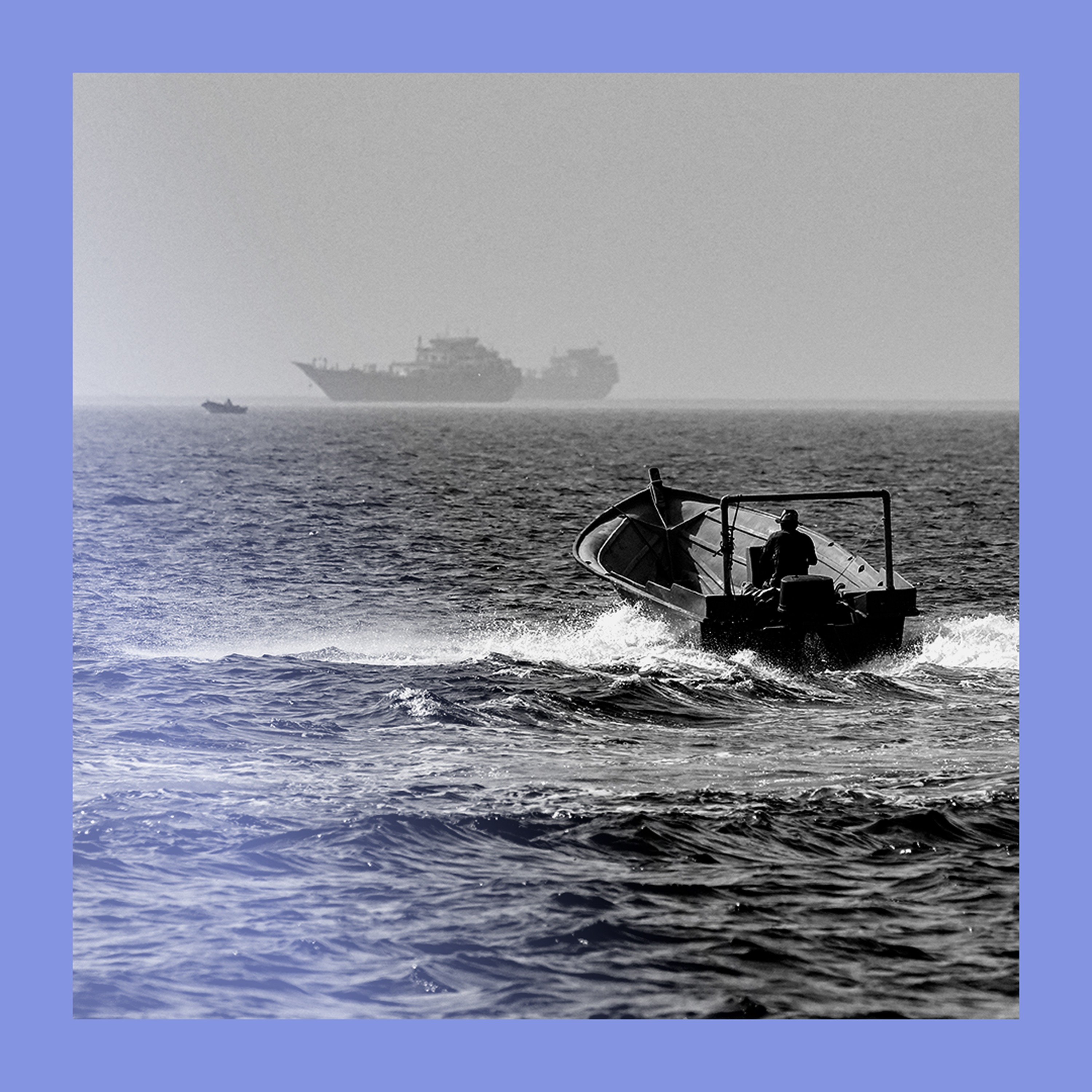
In the conflict over the Strait of Hormuz, both the US and Iran have backed themselves into rhetorical corners. A graceful diplomatic exit that allows both sides to save face seems impossible, making a return to active military hostilities a probable outcome driven by political and economic pressures.

The vast majority of Americans are bewildered by Trump's Iran policy and do not support a military strike. This widespread confusion and lack of appetite for war give the president significant political cover to back down from his threats and pursue a diplomatic solution without facing major backlash.

Unable to achieve a decisive military victory, the US and Iran are locked in a "game of uncle." The US aims to inflict maximum damage on Iran's infrastructure, while Iran targets the global economy to create international pressure on the US to cease hostilities.

A loss in the upcoming midterm elections, potentially triggered by a perceived defeat in Iran or a resulting economic crisis, would likely result in impeachment proceedings and paralyze his domestic agenda. Escalating the conflict is a high-risk gamble to prevent this political outcome.
Iran's strategy is not to win a conventional war but to play a waiting game, believing it can withstand damage until the U.S. loses its political will to continue the conflict, especially with an unpopular president facing midterms. This turns the situation into a potential "forever war" where the exit strategy is the main challenge.

Iran's strategy isn't a quick military victory but a war of attrition. By accepting a long timeline and inflicting small but consistent damage, it aims to erode US domestic support for the war, especially in an election year, and outlast the current administration.

The President is in a strategic corner over Iran. He cannot politically withdraw while the Strait of Hormuz is closed, as it would be seen as a major defeat. Yet, every day the conflict continues, Iran claims a symbolic victory merely by surviving, making the situation a losing proposition for the U.S. regardless of the outcome.

Iran's leadership is betting it can withstand economic pressure longer than the US president can tolerate rising gas prices and diplomatic fallout ahead of midterm elections. Having survived past sanctions, Iran believes its autocratic regime has more staying power than an American administration facing voter discontent.
A long war with Iran would directly contradict a core promise to his voters: avoiding foreign entanglements. This betrayal, combined with economic fallout, would alienate his base and likely cause a Democratic sweep in the midterms, effectively ending his presidency.

A probable off-ramp for the US-Iran conflict involves Iran conceding on nuclear enrichment. In return, they could gain leverage and revenue by maintaining control over transit through the Strait of Hormuz.
