Get your free personalized podcast brief
We scan new podcasts and send you the top 5 insights daily.
As AI floods the internet with generic content, consumers are growing skeptical of corporate voices. This is accelerating a shift in trust from faceless brands to authentic individuals and creators. B2B marketing must adapt by building strategies around these human-led channels, which now often outperform traditional brand-led marketing.

Related Insights
While AI tools once gave creators an edge, they now risk producing democratized, undifferentiated output. IBM's AI VP, who grew to 200k followers, now uses AI less. The new edge is spending more time on unique human thinking and using AI only for initial ideation, not final writing.
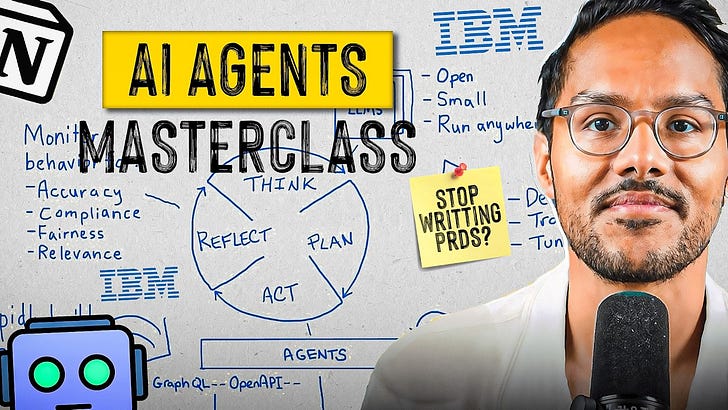
The traditional B2B marketing mix of SEO, paid search, and content is no longer sufficient. Modern growth relies on activating word-of-mouth through a superior product, leveraging founder social presence for authenticity, and investing heavily in the creator economy (especially YouTube) to reach engaged B2B audiences.

Trust is now built through credible personalities, not just branded content. Channels like podcasts and newsletters succeed because they are personality-driven. HubSpot's CEO advises businesses to identify and empower internal figures with high authority to represent the brand.

As AI generates endless look-alike content, a brand's ability to create genuine, human-to-human connection is a unique and defensible advantage. This 'vibe' cannot be automated or easily replicated, making it a crucial competitive differentiator in a crowded market.
AI is primarily a cost-saving tool, not a substitute for nuanced creative direction. Furthermore, a cultural backlash is emerging among younger consumers on social media who perceive AI content as inauthentic, actively criticizing brands like MrBeast and Liquid Death for using it.

The debate over using AI avatars, like Databox CEO Peter Caputa's, isn't just about authenticity. It's forcing creators and brands to decide where human connection adds tangible value. As AI-generated content becomes commoditized, authentic human delivery will be positioned as a premium, high-value feature, creating a new market segmentation.

As AI-generated content creates a sea of sameness, audiences will seek what machines cannot replicate: genuine emotion and deep, personal narrative. This will drive a creator-led shift toward more meaningful, long-form content that offers a real human connection.

As audiences push back against AI-generated and overly polished stock imagery, featuring real people in authentic situations will be critical for engagement. Showcasing your team, customers, or volunteers in natural settings—not on a green screen—builds trust and connection, making genuine humanity the key to cutting through the noise.

Brands will need a bifurcated approach for marketing. One strategy will focus on creating authentic content for human connection, while a separate, distinct strategy must structure information to be effectively parsed and prioritized by the AI agents that increasingly intermediate the customer journey.
AI should not be the starting point for creation, as that leads to generic, spam-like output. Instead, begin with a distinct human point of view and strategy. Then, leverage AI to scale that unique perspective, personalize it with data, and amplify its distribution.