Get your free personalized podcast brief
We scan new podcasts and send you the top 5 insights daily.
The traditional B2B marketing mix of SEO, paid search, and content is no longer sufficient. Modern growth relies on activating word-of-mouth through a superior product, leveraging founder social presence for authenticity, and investing heavily in the creator economy (especially YouTube) to reach engaged B2B audiences.

Related Insights
Following SEO, App Store Optimization, and social virality, the next major distribution channel is AI answer engines. Product teams must now strategize how to get their brand, features, and knowledge base indexed and surfaced in AI responses, making AEO a critical growth lever for the modern era.
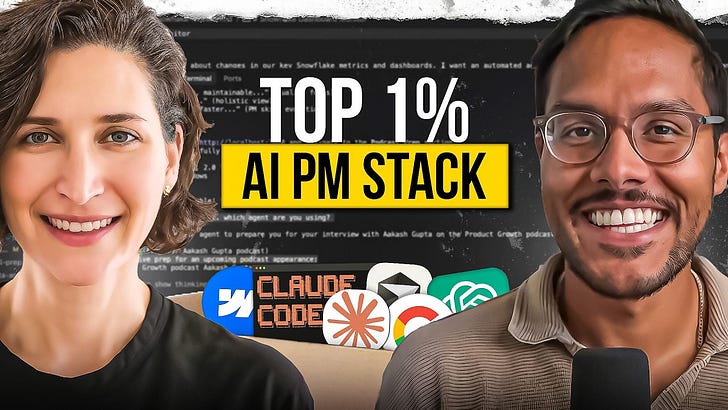
Trust is now built through credible personalities, not just branded content. Channels like podcasts and newsletters succeed because they are personality-driven. HubSpot's CEO advises businesses to identify and empower internal figures with high authority to represent the brand.

Instead of spending big on trendy mega-influencers, Gamma found success by scaling relationships with thousands of micro-influencers in niche, high-trust "echo chambers" like education. These smaller, authentic voices spread like wildfire within their communities, driving more effective growth.
In an AI-driven world, optimizing for website traffic is a losing game. A better long-term strategy is to create high-value content (podcasts, videos, newsletters) across various platforms. This approach helps people directly and simultaneously feeds the large language models that are increasingly becoming information gatekeepers.
As AI floods the internet with generic content, consumers are growing skeptical of corporate voices. This is accelerating a shift in trust from faceless brands to authentic individuals and creators. B2B marketing must adapt by building strategies around these human-led channels, which now often outperform traditional brand-led marketing.

Short YouTube videos answering a single, specific question (e.g., "How to update your LinkedIn profile") rank high in Google search. This attracts senior executives who, despite learning the process, will pay for a done-for-you service to save time.

To break through the noise of modern influencer marketing, target less-obvious platforms. Instead of competing for attention on Instagram and TikTok, pitch YouTubers and Substack writers who receive fewer inquiries. This approach increases your chances of getting noticed and securing features without a budget.

With 80-90% of AI-powered searches resulting in no clicks, traditional SEO is dying. The new key metric is "share of voice"—how often your brand is cited in AI-generated answers. This requires a fundamental strategy shift to Answer Engine Optimization (AEO), focusing on becoming an authoritative source for LLMs rather than just driving website traffic.
As users increasingly get answers from AI assistants, marketing strategy must evolve from Search Engine Optimization (SEO) to Generative Engine Optimization (GEO). This means creating diverse, authoritative content across multiple platforms (podcasts, PR, articles) with the goal of being cited as a trusted source by AI models themselves.

In a product-led world, the B2B concept of 'founder-led sales' evolves into 'founder-led marketing.' Founders must deeply own the brand's narrative. This means personally onboarding key influencers and being the first to learn how to tell the story broadly, ensuring the message is right before scaling the function.
