Get your free personalized podcast brief
We scan new podcasts and send you the top 5 insights daily.
Peter Thiel's key to success was building a team of specialists with non-overlapping skills who were unafraid to push back. The culture valued unique perspectives rooted in individual expertise, not what someone thought the leader wanted to hear, fostering genuine debate and better decisions.

Related Insights
A common trait among great founders is their ability to listen and engage on any topic, even in areas where they are the expert. They absorb outside perspectives from everyone, including those less skilled, and incorporate that feedback to arrive at better solutions.

When building a team for a novel venture, prioritize curious qualities over pure credentials. Look for collaborators who are passionate, resilient, and 'iconoclastic'—comfortable challenging the status quo. Also seek out people with diverse outside interests, as they can draw unique connections and avoid narrow thinking.

To avoid an echo chamber when starting GQG, Rajiv Jain deliberately hired experienced long/short investors instead of his former team. He reasoned that a team that grows up with you will think like you, while outsiders with diverse experience are more likely to disagree and challenge assumptions.

Young VCs should first identify their unique analytical strength—be it in evaluating people, product, or markets. The crucial next step is to join a firm where that specific skill is highly valued. A mismatch, like a quantitative expert at a gut-driven seed fund, will neutralize their talent.

Instead of creating a broadly appealing culture, build one that is intensely attractive to a tiny, specific niche (e.g., "we wear suits and use Windows"). This polarization repels most people but creates an incredibly strong, cohesive team from the few who are deeply drawn to it.

Business leaders often hire people similar to themselves, creating a team that thinks and operates monolithically. The speaker learned to intentionally seek out people with different skills and personalities, recognizing that a business needs complementary, not identical, team members to thrive.

The company's leadership philosophy, borrowed from Palantir, is to hire highly opinionated and sometimes difficult talent. While this feels chaotic, these individuals are essential for innovation and adaptation, unlike talent that merely optimizes existing, stable systems.
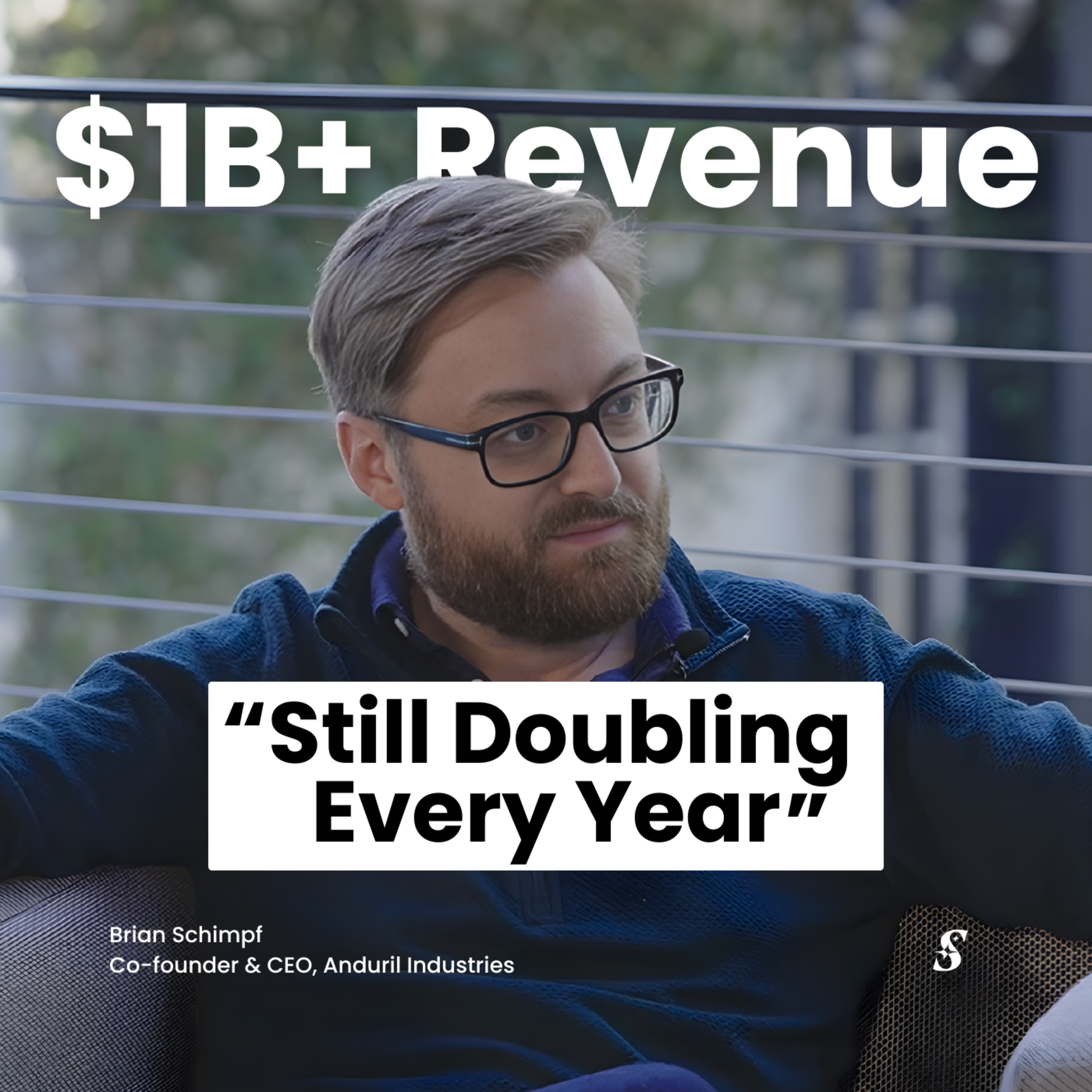
An effective founding team isn't a group of well-rounded generalists. It's better to assemble specialists with deep, complementary skills and even significant weaknesses. The unifying factor isn't identical profiles, but a foundation of shared values and trust.

Unlike corporate environments that focus performance reviews on fixing weaknesses, Marc Andreessen and Ben Horowitz's philosophy is to hire for exceptional skills. They accept that everyone has flaws but believe celebrating and leveraging strengths creates a more effective and motivated team.

The most important job of a leader is team building. This means deliberately hiring functional experts who are better than the CEO in their specific fields. A company's success is a direct reflection of the team's collective talent, not the CEO's individual brilliance.
