Get your free personalized podcast brief
We scan new podcasts and send you the top 5 insights daily.
Business leaders often hire people similar to themselves, creating a team that thinks and operates monolithically. The speaker learned to intentionally seek out people with different skills and personalities, recognizing that a business needs complementary, not identical, team members to thrive.

Related Insights
Bashify’s founder learned to hire not just for skills but for personality-role fit. She seeks extroverted people for client-facing roles, while preferring detail-oriented introverts for back-end tasks like packing kits. This nuanced approach improves job satisfaction and team dynamics.

Instead of forcing conformity, create an environment where diverse specialists—the "wildflowers"—can thrive. The leader's job is not to standardize but to cultivate a space where each person's unique genius can flourish and interact, leading to more interesting outcomes.

A primary way leaders subconsciously stifle future disagreement is by hiring for "culture fit," which often means selecting people who already share their views. To avoid groupthink, organizations should actively seek cognitive diversity, even if it means hiring people who challenge the core mission, like an environmental nonprofit hiring a climate skeptic.
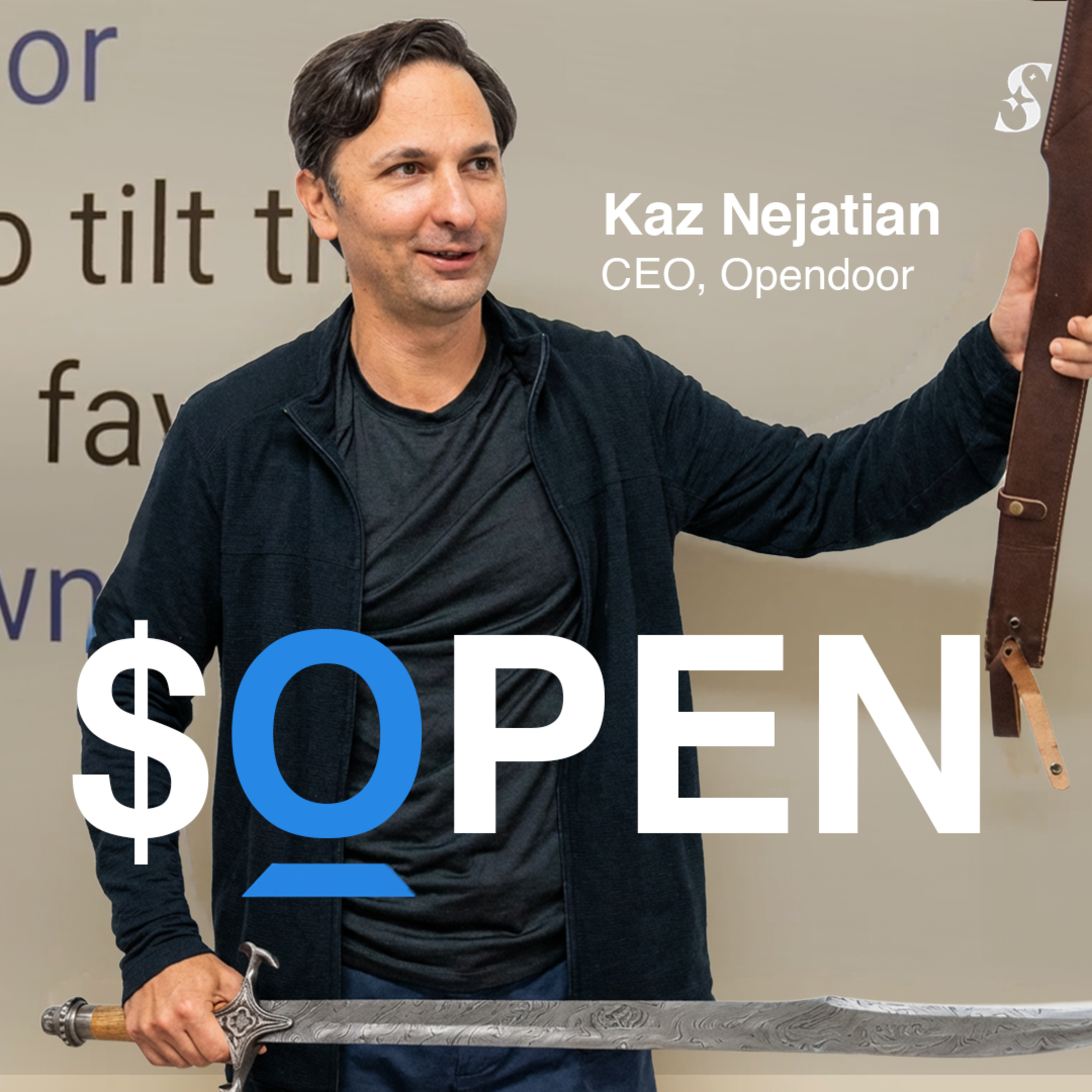
Rather than trying to become a well-rounded, traditional leader, Opendoor's CEO focuses on sharpening his unique "edges." He then surrounds himself with people who are "edgy" in complementary ways, creating a balanced team of focused experts rather than a bland group of generalists.
Hiring for "cultural fit" can lead to homogenous teams and groupthink. Instead, leaders should seek a "cultural complement"—candidates who align with core values but bring different perspectives and experiences, creating a richer and more innovative team alchemy.

Instead of trying to change your natural working style to fit a traditional leadership model, hire people whose styles are complementary. If you're a disorganized night owl, actively recruit organized night owls. This transforms perceived weaknesses into a unique cultural strength and attracts talent who thrive in that specific environment.

Instead of hiring designers with similar profiles for easier staffing, intentionally seek out diverse skill sets that fill existing gaps. This leads to more interesting collaboration, broader capabilities, and mutual respect within the team.

Visionary, fast-paced leaders naturally gravitate toward hiring people like themselves. However, to build a balanced and effective team, they must consciously hire for complementary traits—like detail-orientation and methodical thinking—to provide necessary rigor, ensure completion, and prevent burnout.

The common practice of hiring for "culture fit" creates homogenous teams that stifle creativity and produce the same results. To innovate, actively recruit people who challenge the status quo and think differently. A "culture mismatch" introduces the friction necessary for breakthrough ideas.

The most important job of a leader is team building. This means deliberately hiring functional experts who are better than the CEO in their specific fields. A company's success is a direct reflection of the team's collective talent, not the CEO's individual brilliance.
