Get your free personalized podcast brief
We scan new podcasts and send you the top 5 insights daily.
Young VCs should first identify their unique analytical strength—be it in evaluating people, product, or markets. The crucial next step is to join a firm where that specific skill is highly valued. A mismatch, like a quantitative expert at a gut-driven seed fund, will neutralize their talent.

Related Insights
Venture capitalists thrive by adopting one of two distinct personas: the "in the flow" consensus-driver focused on speed and connections, or the "out of the flow" contrarian focused on deep, isolated work. Attempting to straddle both paths leads to failure.

While every VC has a network, true sourcing edge comes from building a brand and belief system that resonates deeply with founders. This makes founders proactively seek you out, creating a high-quality inbound channel with deals that competitors aren't seeing, allowing a small fund to punch above its weight.
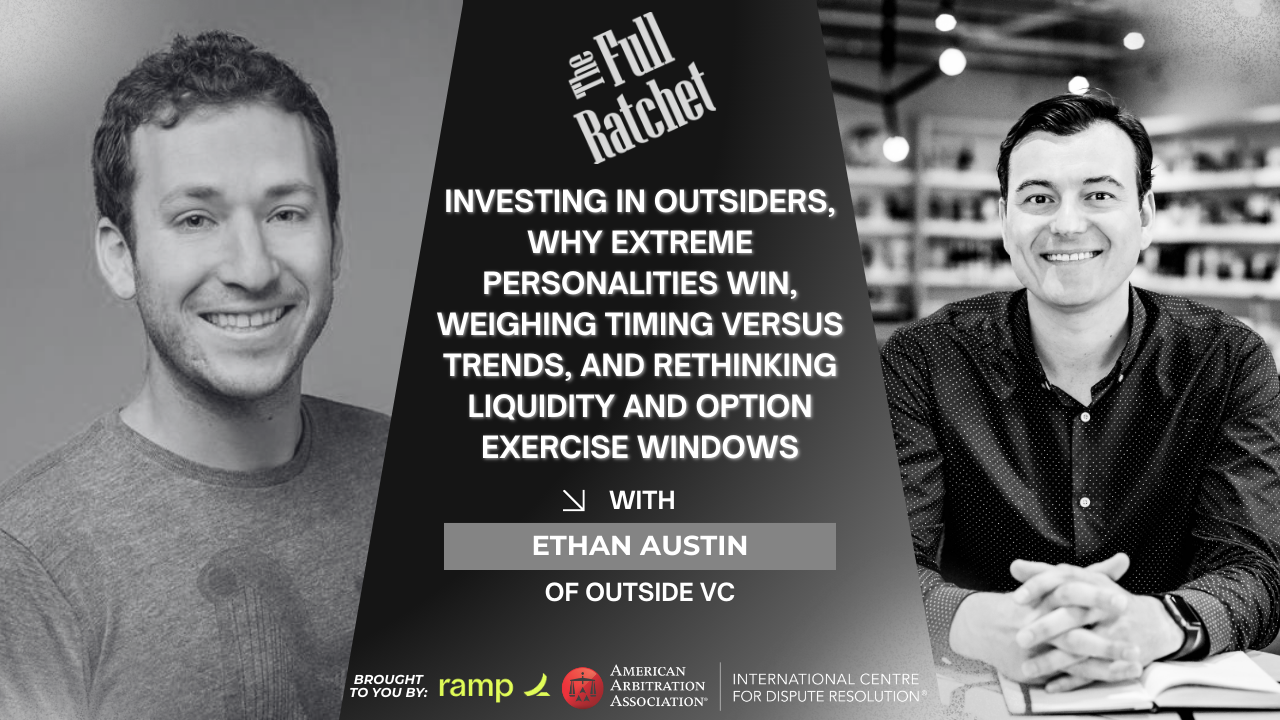
Ben Horowitz states a common VC mistake is over-indexing on a startup's weaknesses. The better investment is a team that is unequivocally the best at a single, critical thing. Being "pretty good" at everything is a red flag, as greatness in one area is what drives extraordinary outcomes.

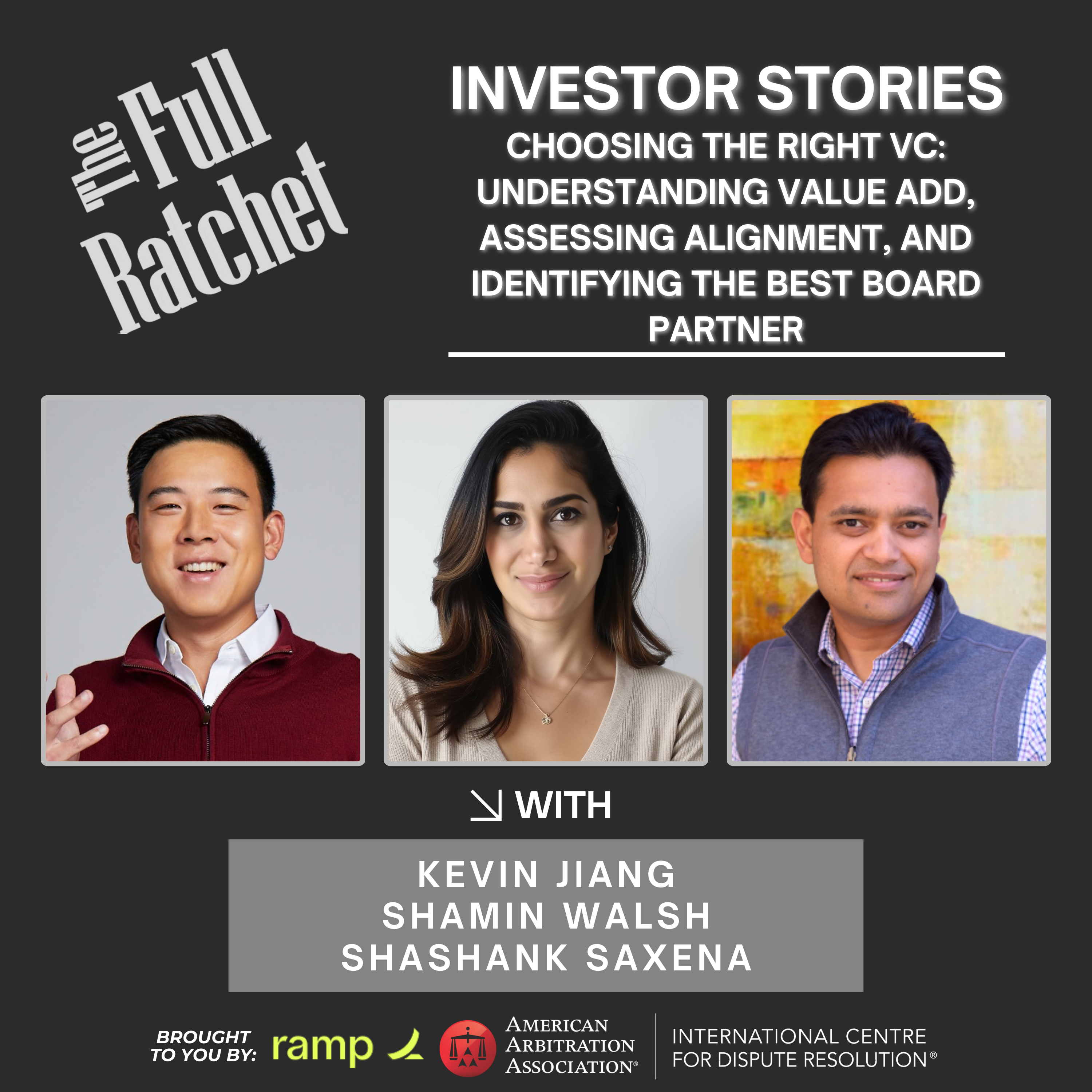
When fundraising, the most critical choice isn't the VC fund's brand but the specific partner who will join the board. Sophisticated founders vet the individual's strengths, weaknesses, and working style, as that person has a more direct impact on the company than the firm's logo on a term sheet.
Resist the common trend of chasing popular deals. Instead, invest years in deeply understanding a specific, narrow sector. This specialized expertise allows you to make smarter investment decisions, add unique value to companies, and potentially secure better deal pricing when opportunities eventually arise.

Many VC firms hire former operators for their expertise, but success isn't guaranteed. The best operator-VCs avoid the urge to "backseat drive" the companies they fund. Instead, they leverage their experience with extraordinary humility, acting as a supportive advisor rather than a replacement CEO.

Competing to be a founder's "first call" is a crowded, zero-sum game. A more effective strategy is to be the "second call"—the specialist a founder turns to for a specific, difficult problem after consulting their lead investor. This positioning is more scalable, collaborative, and allows for differentiated value-add.

Unlike operating companies that seek consistency, VC firms hunt for outliers. This requires a 'stewardship' model that empowers outlier talent with autonomy. A traditional, top-down CEO model that enforces uniformity would stifle the very contrarian thinking necessary for venture success. The job is to enable, not manage.

The transition from a C-suite operator managing thousands to an investor is jarring. New VCs must adapt from leading large teams to being individual contributors who write their own memos and do their own sourcing. This "scaling down" ability, not just prior success, predicts their success as an investor.
Most VCs fail at talent support by simply matching logos on a resume to a portfolio company. A better model is to first embed operators (e.g., fractional sales leaders) into the startup. This provides the deep, nuanced context required to find candidates who fit the specific business and culture, leading to better hiring outcomes.
