Get your free personalized podcast brief
We scan new podcasts and send you the top 5 insights daily.
Early ADHD research focused on hyperactive boys, ignoring how symptoms present in girls (withdrawal, self-criticism, anxiety). This resulted in a 'lost generation' of women who were treated for anxiety for decades when the underlying issue was actually a neurodivergent condition like ADHD.

Related Insights
Anxiety often isn't a brain chemistry issue but a physical stress response. A blood sugar crash or caffeine can trigger a physiological state of emergency, and the mind then invents a psychological narrative (like work stress) to explain the physical sensation.

In its rush for the next breakthrough, the field of psychiatry often discards older, effective treatments due to historical stigma. For instance, MAO inhibitors and modern, safer Electroconvulsive Therapy (ECT) are highly effective for specific depression types but are underutilized because of past negative associations, a phenomenon driven more by politics than science.
For individuals whose symptoms have been repeatedly dismissed, a serious diagnosis can feel like a relief. It provides validation that their suffering is real and offers a concrete problem to address, overriding the initial terror of the illness itself.

With three-quarters of mental health providers being women, the field may have a significant blind spot regarding male issues. This gender imbalance can make it difficult for men to feel seen and heard, creating a structural barrier to effective treatment that goes beyond social stigma and pushes them towards toxic online communities.

Doctors are often trained to interpret symptoms arising after stopping psychiatric medication as a relapse of the original condition. However, these are frequently withdrawal symptoms. This common misdiagnosis leads to a cycle of re-prescription and prevents proper discontinuation support.
Many children diagnosed with ADHD are actually suffering from sleep deprivation caused by breathing issues like snoring or sleep apnea. Assessing a child's breathing and sleep quality should be the first step, as it is often overlooked in favor of medication.

Anxiety is not always a pathology but can be a purposeful signal. A study on chimps showed that removing the most sensitive, anxious members led to the entire group's demise, as they were the advance warning system for dangers. This reframes anxiety as a crucial societal function.
Psychologists can predict the severity of a person's depressive and anxious symptoms not by the content of their trauma, but by the form of their narrative. Recurring, stuck narratives, or what is called the "same old story," correlate with poorer mental health outcomes.
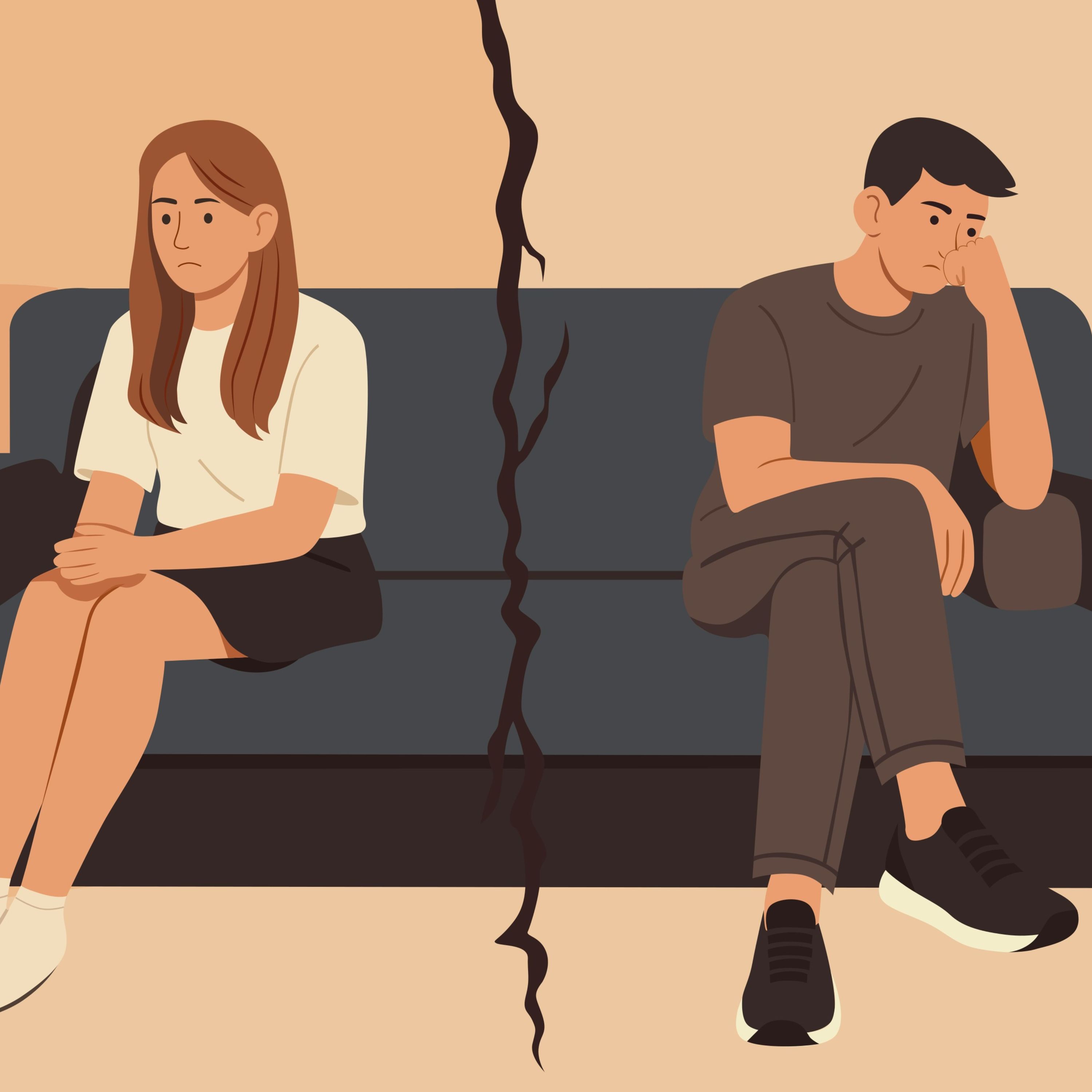
The term "depression" is a misleading catch-all. Two people diagnosed with it can have completely opposite symptoms, such as oversleeping versus insomnia or overeating versus appetite loss. These are not points on a spectrum but discrete experiences, and lumping them together hinders effective, personalized treatment.
Relying solely on talk therapy for a physiological problem can be counterproductive. When a patient makes no progress despite their efforts, they can develop learned helplessness and self-blame, concluding they are a "failure" and worsening their condition.