Get your free personalized podcast brief
We scan new podcasts and send you the top 5 insights daily.
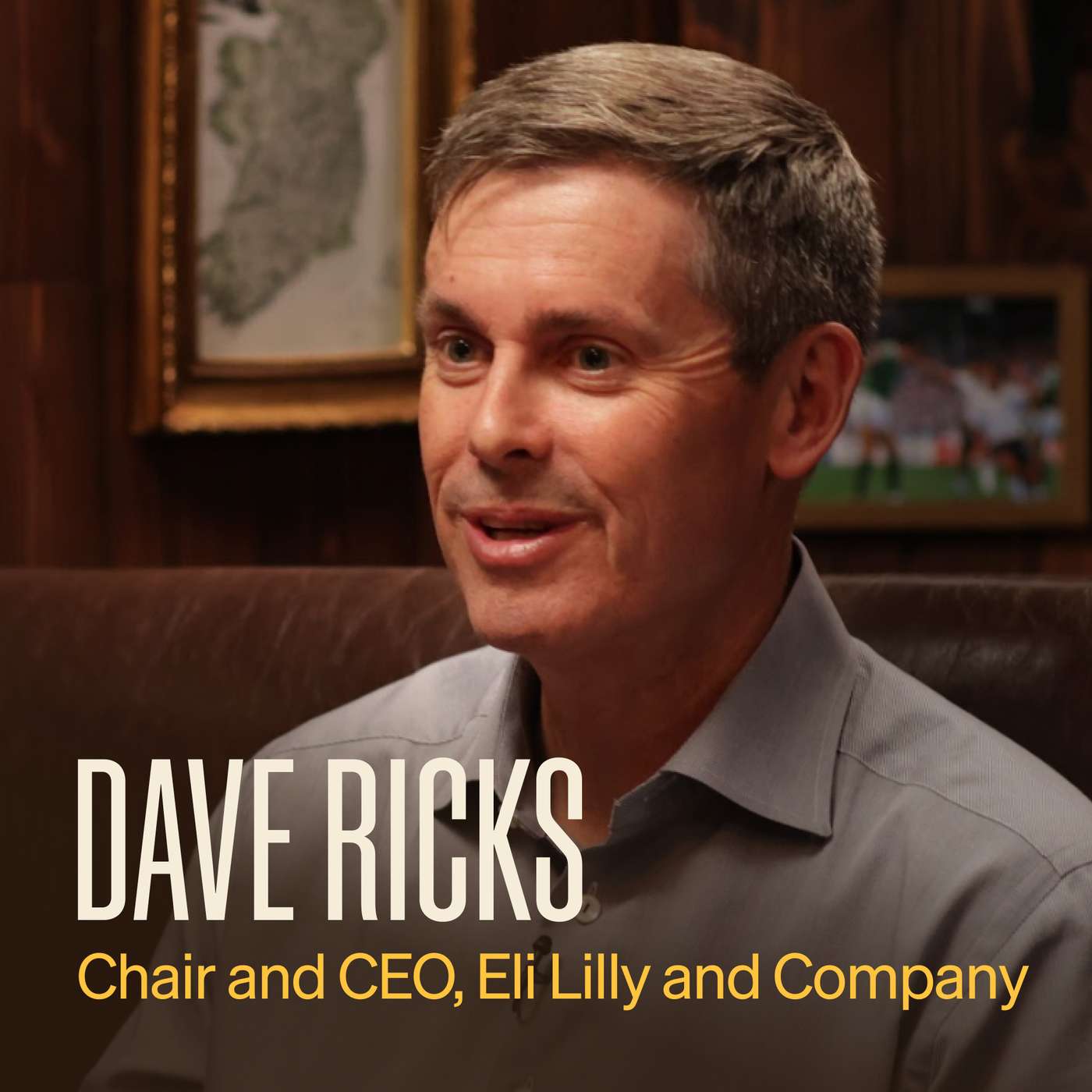
With 150 years of mostly internal CEO succession, Eli Lilly develops leaders who deeply understand the company's culture—its 'unspoken operating system.' This allows them to solve problems effectively without relying on formal committees.
Related Insights
For its handful of major annual decisions, Eli Lilly's leadership team has a rule to never make a final call in the initial meeting. This process intentionally builds in time for reflection, debate, and persuasion.
Financial results are a downstream outcome. The true upstream driver is a company's culture—its talent density, hiring practices, and incentive systems. A strong culture creates a reinforcing feedback loop that attracts talent, improves decisions, and fuels compounding for decades.

Alpine recruits top MBA graduates into a two-year training program where they are mentored by experienced portfolio CEOs. This creates a homegrown, internal pipeline of leaders steeped in the firm's playbook, de-risking future leadership needs and ensuring cultural alignment.

When new leadership arrives, a long-serving executive's value lies in their deep institutional knowledge and cross-functional relationships. They can act as a crucial bridge, helping synthesize diverse perspectives to guide the new team's vision and ensure a smoother transition.

A CEO who stays too long creates an organization optimized to respond only to them, causing other skills and response mechanisms to weaken. Leadership changes are healthy because they force a company to develop a more balanced and resilient set of capabilities, breaking the imperial CEO model.

Unlike startups, institutions like CPPIB that must endure for 75+ years need to be the "exact opposite of a founder culture." The focus is on institutionalizing processes so the organization operates independently of any single individual, ensuring stability and succession over many generations of leadership.

Instead of abrupt changes, Sequoia employs a gradual, multi-year transition process for its leadership stewards. Past leaders like Michael Moritz and Doug Leone remained involved for years after handing over the reins, ensuring stability and continuity for the firm and its LPs.
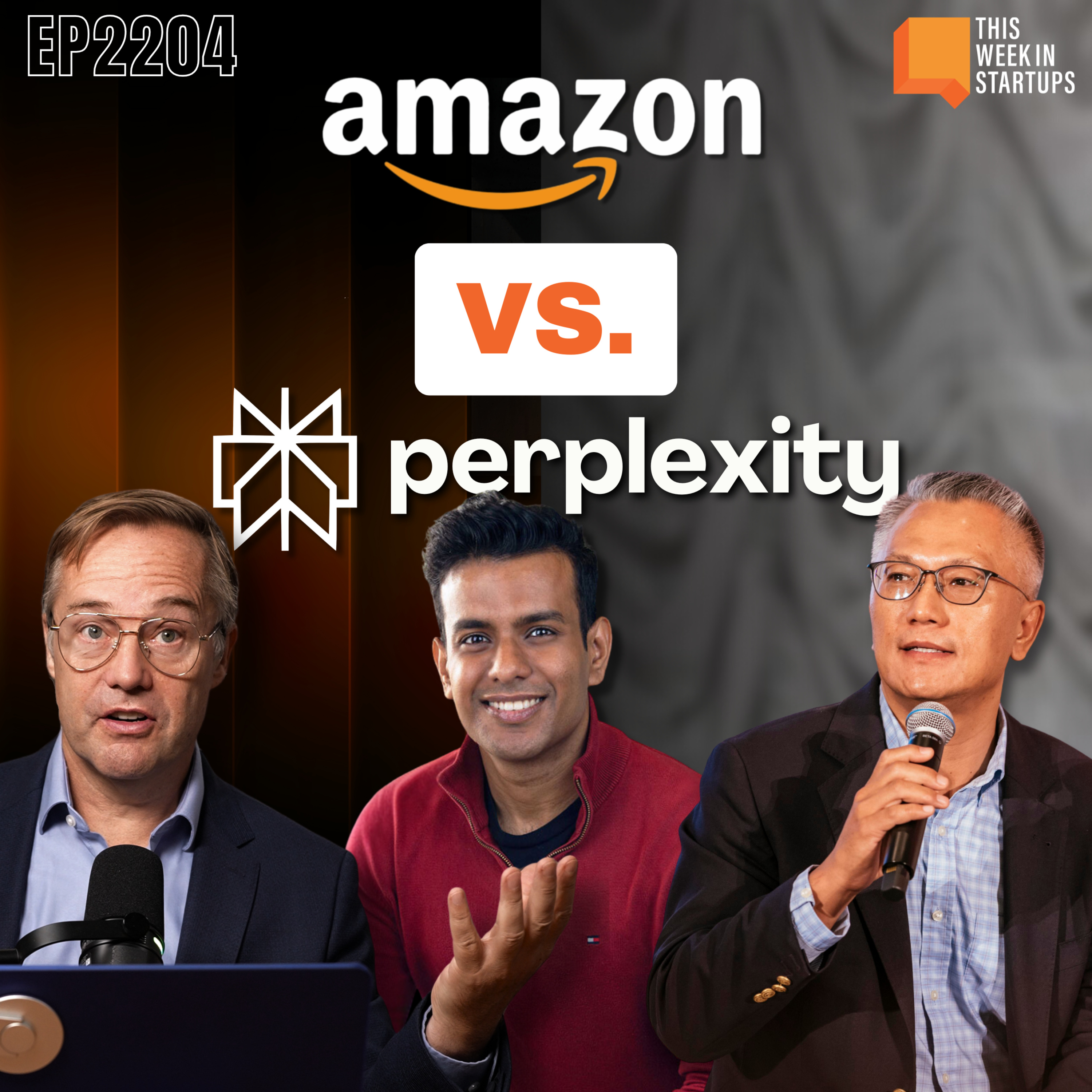
Sequoia frames leadership changes not as takeovers but as "intergenerational transfers" of stewardship. This cultural focus on leaving the firm better than they found it is key to its longevity and successful transitions, a model for any long-term partnership.

Successor CEOs cannot replicate the founder's all-encompassing "working memory" of the company and its products. Recognizing this is key. The role must shift from knowing everything to building a cohesive team and focusing on the few strategic decisions only the CEO can make.
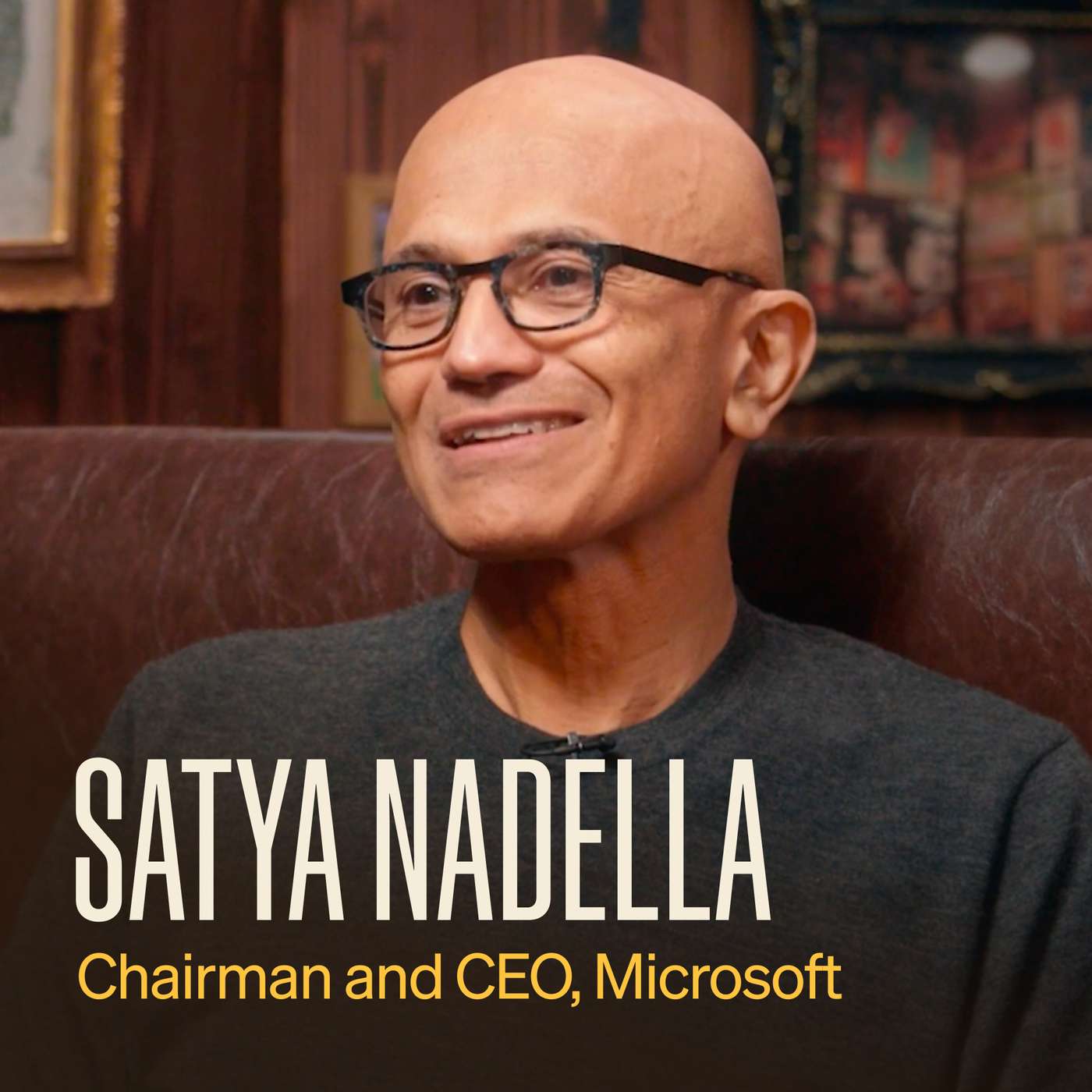
Founders remain long after hired executives depart, inheriting the outcomes of past choices. This long-term ownership is a powerful justification for founders to stay deeply involved in key decisions, trusting their unique context over an expert's resume.
