Get your free personalized podcast brief
We scan new podcasts and send you the top 5 insights daily.
Financial results are a downstream outcome. The true upstream driver is a company's culture—its talent density, hiring practices, and incentive systems. A strong culture creates a reinforcing feedback loop that attracts talent, improves decisions, and fuels compounding for decades.

Related Insights
Go beyond analyzing the founding team by treating the entire employee base as a key asset. By measuring metrics like employee retention rates, hiring velocity, and geographical or role-based growth, investors can build a quantitative picture of a company's health and culture, providing a powerful comparative tool.

Many companies focus only on growing revenue, which is an output. A high-performance culture focuses on the inputs: the personal and professional growth of its people. Investing in employees' skills, confidence, and well-being is what ultimately drives sustainable financial success, not the other way around.

Great companies survive not because of a founder's continued presence, but because the founder codified a culture and operational DNA that outlives them. Companies like Home Depot and Amazon continue to thrive because their core principles are deeply embedded and replicable.
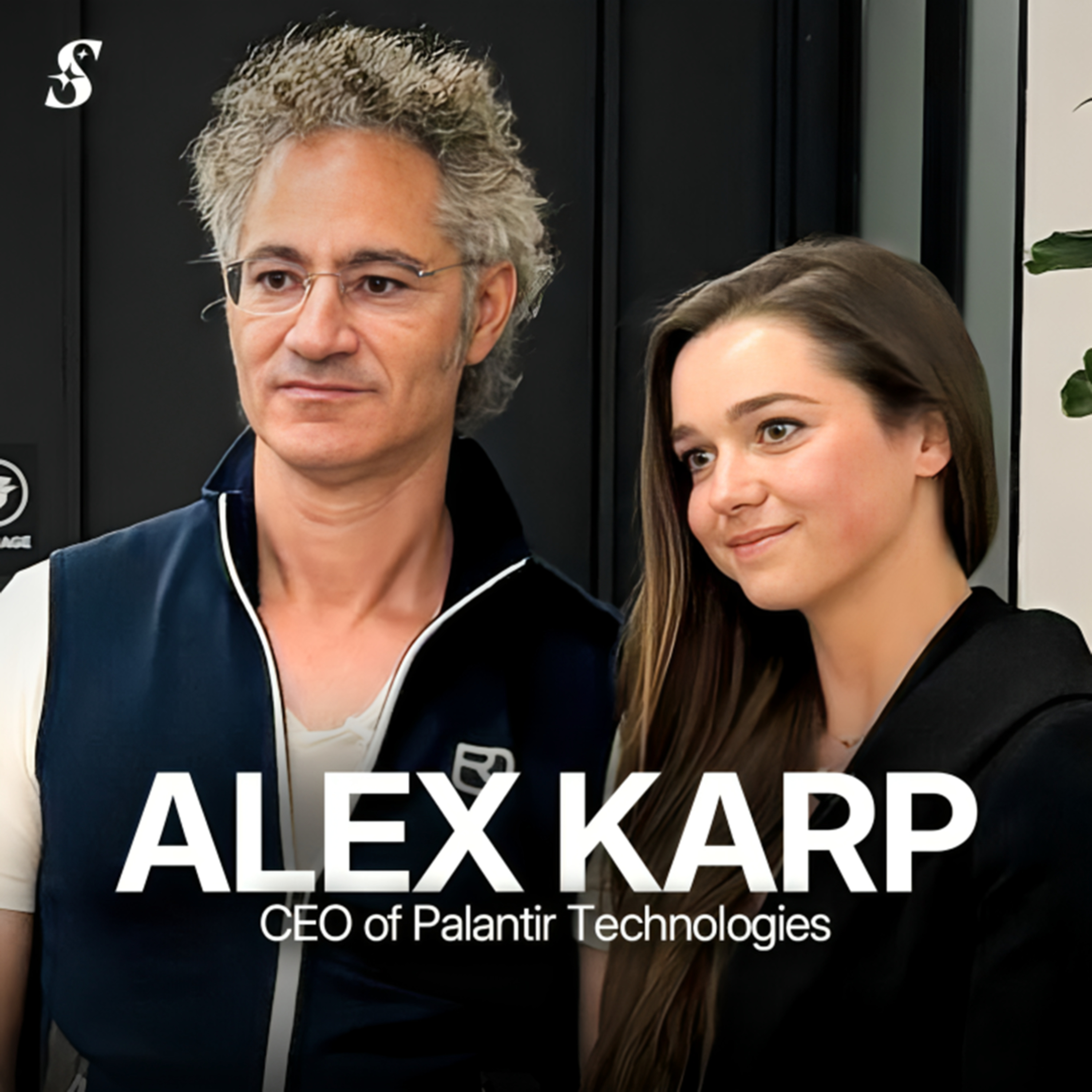
Palantir's success stems from its "anti-playbook" culture. It maintains a flat, meritocratic structure that feels like a startup despite its size. This environment fosters original thinking and rewards those who excel outside of rigid, conventional frameworks, turning traditionally undervalued traits into strengths.
Great leaders don't wait for a lucky break ('spark') to create momentum. They proactively build the foundation for it by fostering a collaborative culture, recruiting team-oriented talent, and preparing mentally to recognize and seize opportunities that others might miss.

When contractors complain they can't find good people, it's often a culture problem, not a talent shortage. A great workplace turns existing employees into recruiters who attract other high-quality talent from their networks, creating a self-sustaining recruitment pipeline.

Investors obsess over quantifiable data like quarterly margins ("branches"). However, the real drivers of long-term value are qualitative factors like company culture and management motivation ("roots"). These causal forces require intuition, not just spreadsheets, to grasp.

To truly build a people-first culture, give the head of HR (rebranded as 'Chief Heart Officer' to change perception) more political clout and decision-making power than the Chief Financial Officer. This organizational structure ensures that employee retention and happiness are prioritized over pure financial metrics, leading to long-term stability and success.

Standard valuation models based on financial outputs (earnings, cash flow) are flawed because they ignore the most critical inputs: the CEO's value, brand strength, and company culture. These unquantifiable factors are the true drivers of long-term outperformance for companies like Apple.

A strong culture isn't defined by perks during good times; it's proven by how the team operates during crises. Companies that face significant struggles early in their journey often develop a more resilient and authentic culture, which becomes a crucial asset for long-term survival and success.