Get your free personalized podcast brief
We scan new podcasts and send you the top 5 insights daily.
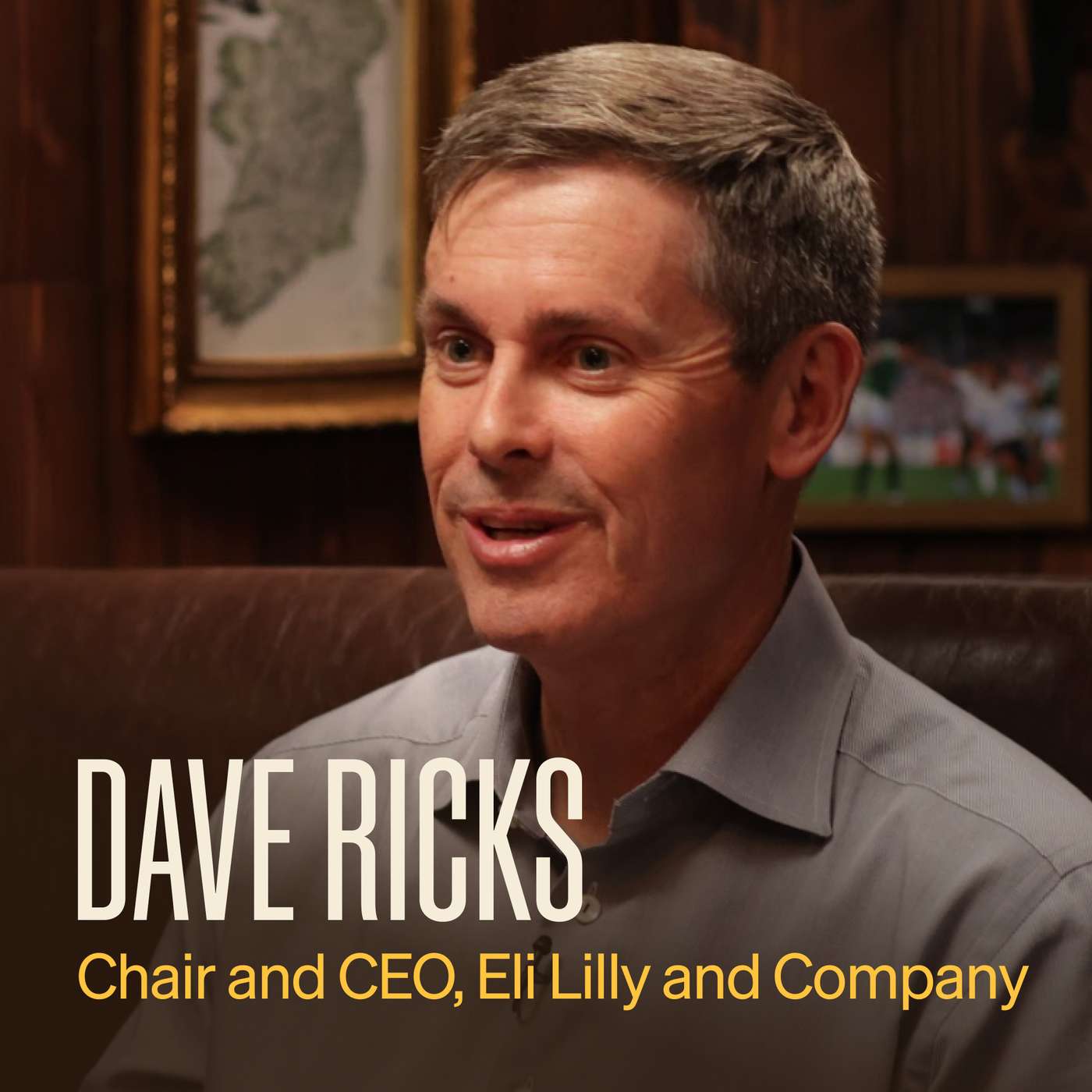
For its handful of major annual decisions, Eli Lilly's leadership team has a rule to never make a final call in the initial meeting. This process intentionally builds in time for reflection, debate, and persuasion.
Related Insights
At IVP, even when a partner is passionate about a deal, the firm encourages them to 'sleep on it' after a debate. This deliberate pause allows the partner to process the team's feedback without pressure, often leading to a more rational assessment of their own conviction and preventing investments driven by emotion rather than collective wisdom.

To ensure robust decision-making, Eclipse requires that if a partner feels strongly against a potential investment, they must join the deal team alongside the champions. This forces a direct confrontation of the risks and ensures that by the time an investment is made, all major concerns have been addressed.
Decisions aren't equal. Most are reversible "two-way doors." A few, like selling a company, are permanent "one-way doors." Leaders must recognize the difference and apply a more rigorous, contemplative process to irreversible choices, as they have lasting consequences.

To combat decision paralysis during integration, implement a regimented playbook with RASI charts (Responsible, Accountable, Consulted, Informed). Critically, decisions are time-bound with clear milestones. If a decision isn't made within the specified timeframe, it is automatically escalated, forcing resolution and maintaining momentum.

Instead of escalating disagreements, Atlassian's founders operated on a simple principle: if one couldn't be persuaded that an idea was good, it was likely not worth pursuing. This served as a critical decision-making filter and prevented major conflicts.

For data-less decisions, PhonePe's co-founders have a simple rule: the partner with deeper historical strength in that domain makes the final call. The other commits fully, and they never revisit the decision, ensuring they learn and move forward without blame.

To ensure the "triumph of ideas, not the triumph of seniority," Sequoia uses anonymized inputs for strategic planning and initial investment votes. This forces the team to debate the merits of an idea without being influenced by who proposed it, leveling the playing field.

With 150 years of mostly internal CEO succession, Eli Lilly develops leaders who deeply understand the company's culture—its 'unspoken operating system.' This allows them to solve problems effectively without relying on formal committees.
The romanticized idea of a dramatic "investment committee" meeting is a myth. The most effective investment process is collaborative and iterative, where an idea is pitched early and gains momentum across the firm over time. The formal meeting becomes a rubber stamp for a decision that has already been organically reached.

Instead of arguing for more time, product leaders should get stakeholder buy-in on a standardized decision-making process. The depth and rigor of each step can then be adjusted based on available time, from a two-day workshop to an eight-month study, without skipping agreed-upon stages.
