Get your free personalized podcast brief
We scan new podcasts and send you the top 5 insights daily.
Sequoia frames leadership changes not as takeovers but as "intergenerational transfers" of stewardship. This cultural focus on leaving the firm better than they found it is key to its longevity and successful transitions, a model for any long-term partnership.

Related Insights
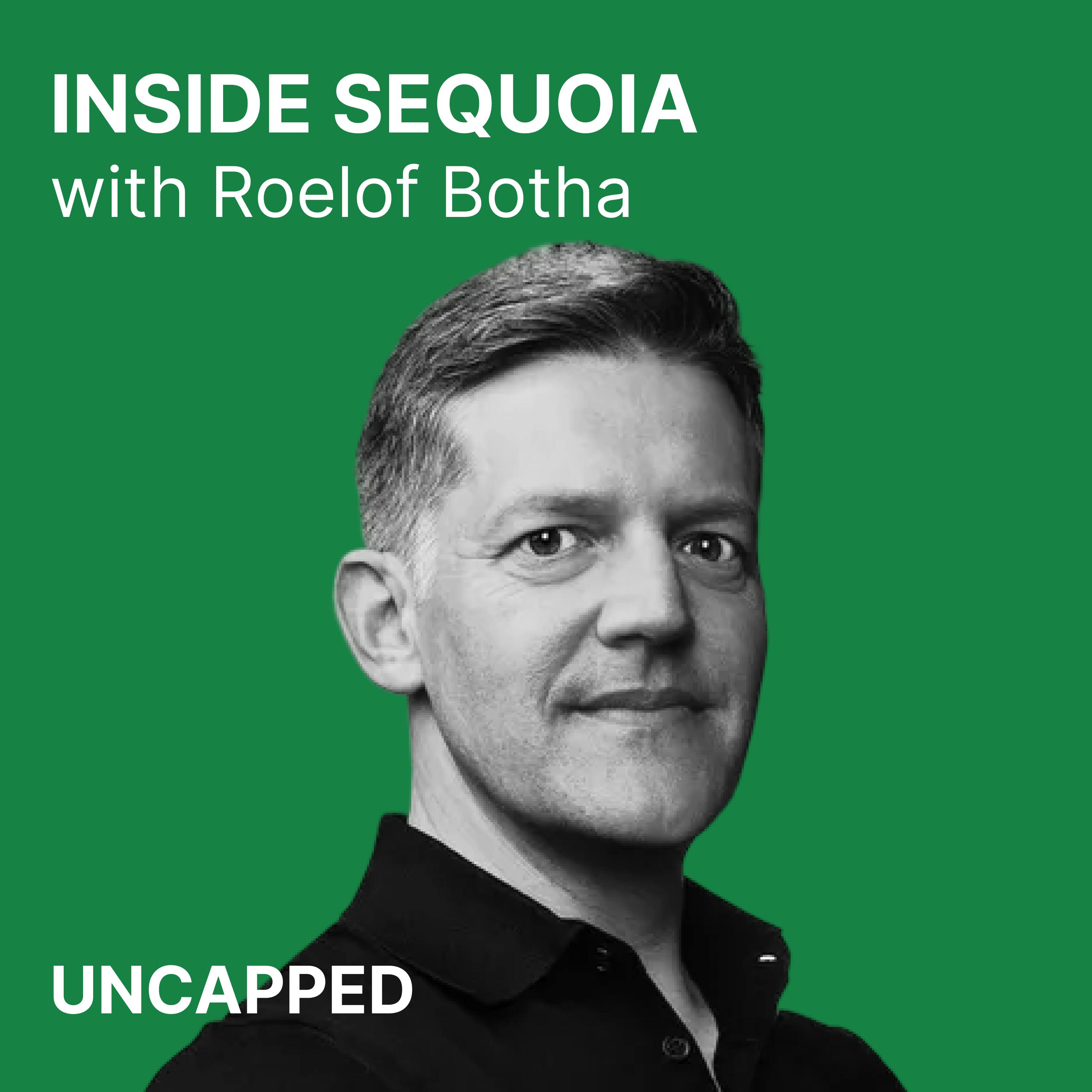
Roelof Botha describes the pressure of leading Sequoia, a firm whose portfolio comprises 30% of NASDAQ's value. This legacy creates a "burden" and an expectation to maintain top performance, demanding continuous innovation to avoid becoming "yesterday's winners."
When new leadership arrives, a long-serving executive's value lies in their deep institutional knowledge and cross-functional relationships. They can act as a crucial bridge, helping synthesize diverse perspectives to guide the new team's vision and ensure a smoother transition.

Effective leadership transitions must be planned years in advance. The successor should gradually assume managerial duties, making the final handover a natural, expected event for employees and LPs. Rushed plans fail, especially if the departing leader isn't truly ready to retire.

To prevent the next generation of leaders from being burdened by debt, WCM's founders transfer their ownership stakes at book value—not market value. This massive personal financial sacrifice is designed to ensure the firm's long-term health and stability over founder enrichment.
![[REPLAY] Paul Black and Mike Trigg – How to Build a $100B Money Manager (Capital Allocators, EP.227) thumbnail](https://static.libsyn.com/p/assets/f/b/7/6/fb76e1c8bfb69e8dd959afa2a1bf1c87/CA_Square_logo_light_background_6.26.24.jpg)
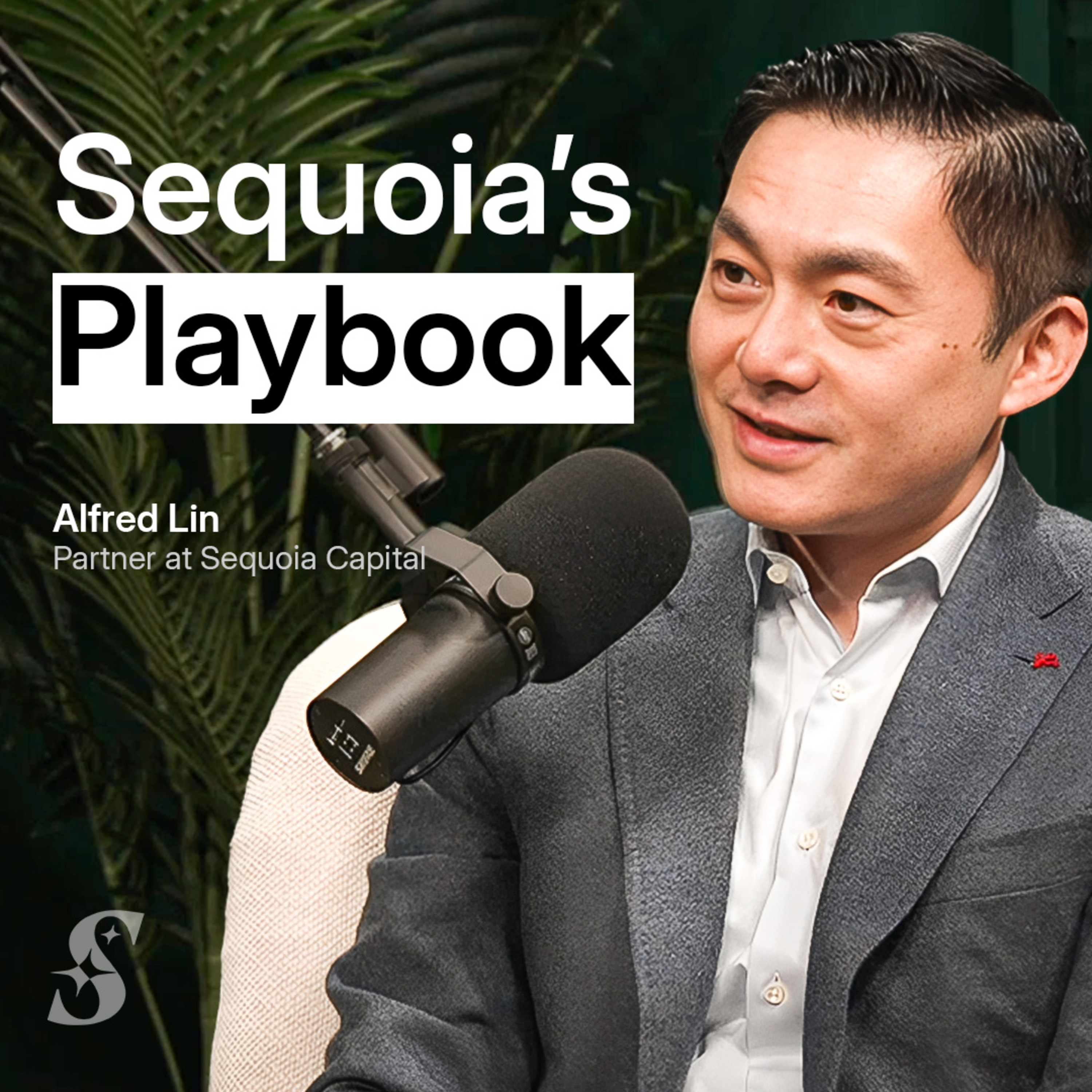
Alfred Lin's framework for board members is to be supportive 'shock absorbers' during hardships, helping founders pick up the pieces. When the company is succeeding, they become 'sparring partners' to challenge founders, prevent complacency, and push the business to the next level.
To avoid stifling talent, Sequoia uses 'freedom within frameworks.' It provides guiding principles—shared values and a common value chain (sourcing, picking, winning)—but allows partners total autonomy in their methods. This enables diverse, authentic styles, from deep thematic work to high-volume networking, to coexist effectively.

Unlike startups, institutions like CPPIB that must endure for 75+ years need to be the "exact opposite of a founder culture." The focus is on institutionalizing processes so the organization operates independently of any single individual, ensuring stability and succession over many generations of leadership.
Calling its leader a "Steward" reveals Sequoia's evolution. The role is less about disruptive deal-making and more about managing a massive financial institution, akin to an endowment. This reframes a leader's short tenure not as a failure, but as a potentially undesirable management job for a classic VC.

Sequoia makes consensus investment decisions, viewing each deal as "our investment." This is only possible through a culture of high trust and "front stabbing"—brutally honest, direct debate about a deal's merits. This prevents passive aggression and ensures collective ownership.
When transitioning leadership, you must allow your successors to make mistakes. True learning comes from fixing failures, not just replicating successes. As the founder, your instinct is to prevent errors, but you must permit 'fuck ups' for the next generation to truly develop their own capabilities and own the business.
![Ari Emanuel - The Anti-AI Bet - [Invest Like the Best, EP.448] thumbnail](https://megaphone.imgix.net/podcasts/c5910280-c4dd-11f0-94be-ab6a7a5865b0/image/1e5a2263eb62fcde200846919e24419a.jpg?ixlib=rails-4.3.1&max-w=3000&max-h=3000&fit=crop&auto=format,compress)