Get your free personalized podcast brief
We scan new podcasts and send you the top 5 insights daily.
In an era where purpose is often marketed as a profit driver, Richard Dickson presents a pragmatic view. For Gap, purpose (like sustainability) is a core value and responsibility, but the ability to execute on that purpose at scale is directly enabled by the financial health of the company.
Related Insights
The 20th-century view of shareholder primacy is flawed. By focusing first on creating wins for all stakeholders—customers, employees, suppliers, and society—companies build a sustainable, beloved enterprise that paradoxically delivers superior returns to shareholders in the long run.

Gap's CEO, Richard Dixon, implemented a playbook centered on reinvigorating the brand's core DNA and connecting it to modern culture. This focus on cultural relevance, rather than just product, is presented as the primary driver of their financial resurgence.

Wild Rye, a certified B Corp, finds that taking strong public stances on issues like reproductive rights amplifies their brand and strengthens customer loyalty. The founder believes this creates a financial upside that is far greater than the direct costs of donations and certifications, especially for a growing brand.

Patagonia deliberately restrains revenue growth, viewing it not as the primary goal but as a means to an end. The company's true objective is growth in environmental and social impact, for which financial growth is simply a funding mechanism. This redefines success away from purely financial metrics.
Richard Dickson argues that for brands with long histories, staying culturally relevant is a difficult, ongoing effort. It requires moving at the speed of culture and understanding that this continuous activity drives revenue, preventing decisions from becoming purely financial and disconnected from consumers.
To secure funding, founders with a social mission must demonstrate how responsible, purpose-driven practices lead to better financial results, growth, and competitiveness, making a clear business case to investors.

Canva's core mission is a "two-step plan": 1) build a valuable company and 2) do good. Crucially, this isn't a sequential plan for after an exit. They believe step one fuels step two (and vice versa), integrating purpose directly into the business model from day one.

For a mission-driven organization like The Atlantic, owned by a philanthropist, the financial goal is sustainability, not profit extraction. The strategy is to achieve profitability and then immediately reinvest the surplus back into the mission by hiring more journalists and expanding influence.

When challenged by an activist investor, Unilever demonstrated that its purpose-driven brands, like Dove and Hellmann's, outperformed others in its portfolio. They used hard KPIs such as pricing power, profitability, and pace of growth to prove that a strong purpose directly contributes to superior financial ROI.
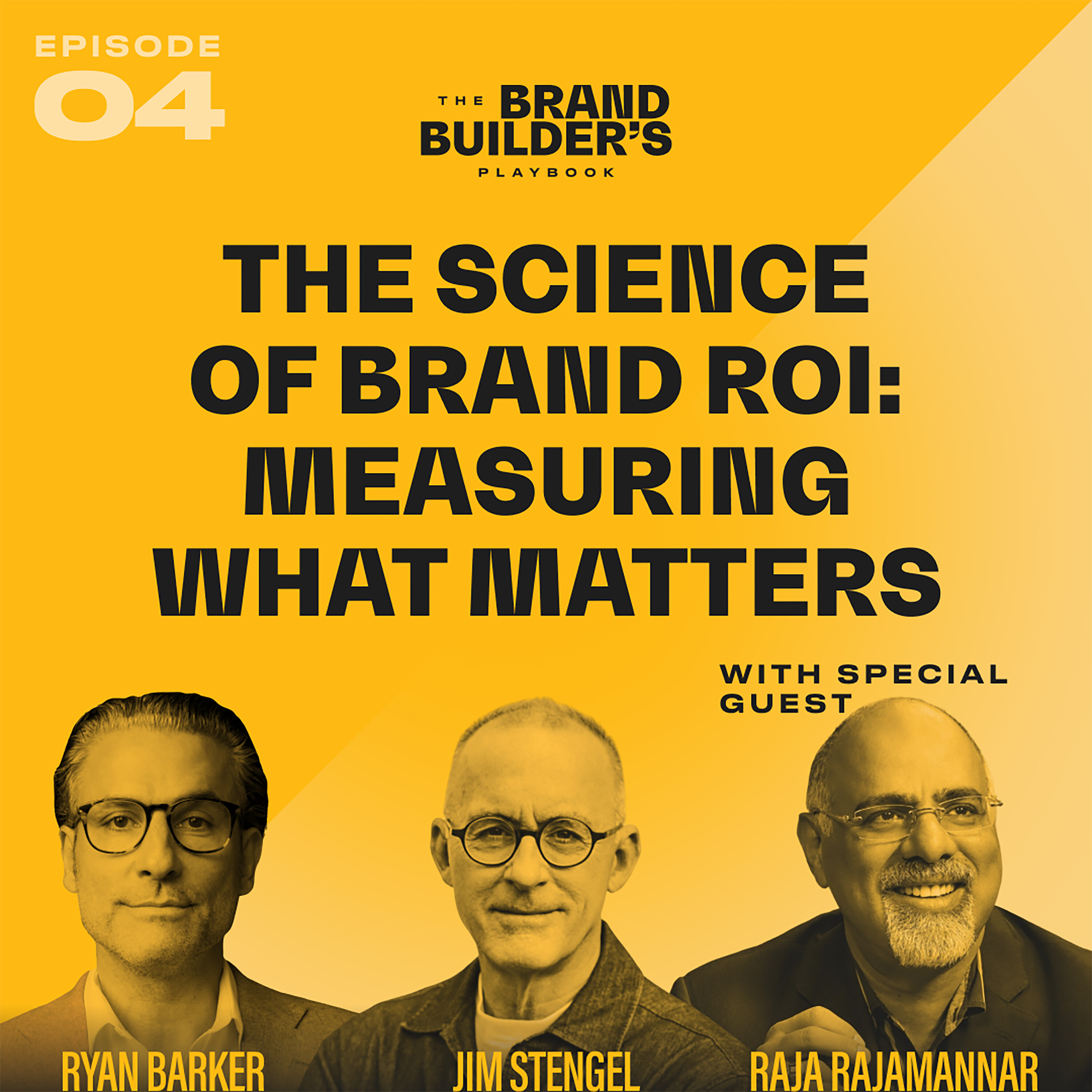
The prevailing 'purpose-led' marketing mantra has the order wrong. Quoting P&G's Mark Pritchard, the guest argues that brands must first achieve commercial growth to fund social initiatives. The idea that "good comes from growth," not the other way around, prompted a major strategy shift at P&G and Unilever back to product superiority.
