Get your free personalized podcast brief
We scan new podcasts and send you the top 5 insights daily.
A key driver for foreign investment in US media is the need for Eastern corporations to acquire the journalistic authority and brand prestige that's hard to build domestically due to restrictive free speech laws. They leverage the Western brand for credibility back home.

Related Insights
The decision to co-lead an $800M investment in X was driven by the platform's banning of a sitting US president. This was seen not as simple content moderation, but as a "watershed moment" reflecting a KGB-style tactic of controlling information to undermine democracy, making the platform a critical asset for free speech.
Tucker Carlson argues that legacy media brands have lost their power to shape public opinion. Their value is now primarily brand recognition, not their content's impact. True cultural influence has shifted to decentralized, creator-driven platforms like YouTube and X.
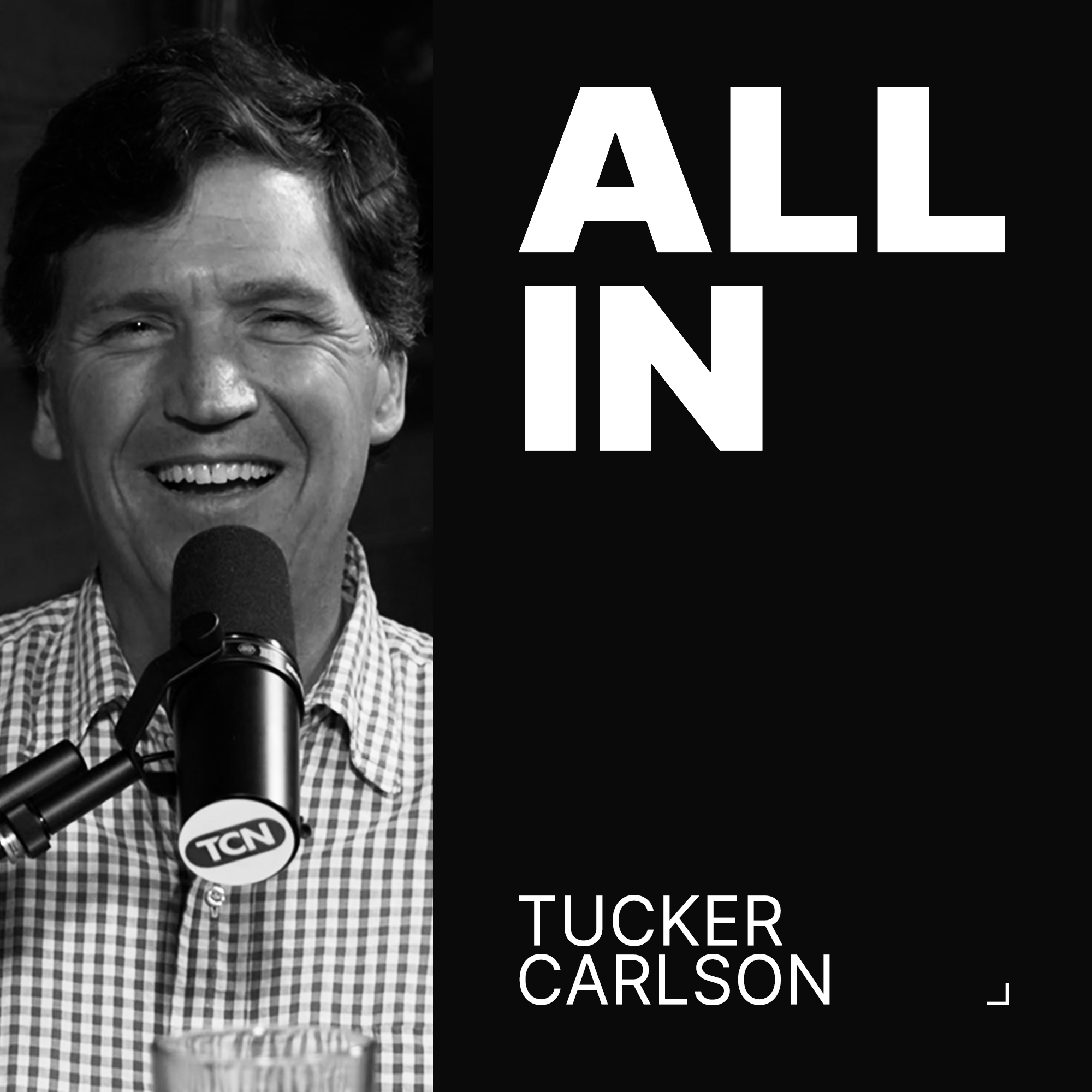
While known for its progressive stance in the UK, The Guardian's success in the US is driven by its distinct, non-US-rooted perspective. By offering a global context on topics like tech, climate, and US politics, it provides a unique value proposition that domestic outlets cannot match.

Even though anyone can create media, legacy brands like The New York Times retain immense power. Their established brands are perceived by the public as more authoritative and trustworthy, giving them a 'monopoly on truth' that new creators lack.
OpenAI's purchase of the tech podcast TBPN exemplifies a growing corporate strategy: buying or building media platforms to bypass critical journalists. This "owned media" approach allows companies to shape their own narrative, though it risks lacking authenticity and credibility.

A key cultural hurdle when marketing Chinese brands in the West is managing the expectation that PR coverage will be universally positive and guaranteed, which contradicts the independent nature of Western journalism.

Paramount's purchase of Warner Brothers, led by the conservative donor Ellison family, consolidates immense media power. They now control CBS, CNN, major movie studios, and a part of TikTok, marking a significant shift by placing a vast portfolio of mainstream media assets under concentrated ideological influence.

The old model of a censor red-penning articles is outdated. The new strategy, seen in Hungary and Turkey, involves the state helping political allies acquire newspapers and TV stations, thereby controlling the narrative at the ownership level.

CBS News acquiring Bari Weiss signals a strategic shift: legacy media outlets are buying influential independent creators to regain credibility. As audiences increasingly trust individual voices over institutions, these giants are co-opting top creators to bring that trust—and their audiences—back under a corporate umbrella, reversing the traditional talent pipeline.
The high-stakes bidding war for Warner Bros. is seen as driven by media executives' desire to reclaim the news cycle, which has been dominated by politics and AI. The acquisitions are a strategy for regaining cultural relevance as much as they are about business consolidation.
