Get your free personalized podcast brief
We scan new podcasts and send you the top 5 insights daily.
CBS News acquiring Bari Weiss signals a strategic shift: legacy media outlets are buying influential independent creators to regain credibility. As audiences increasingly trust individual voices over institutions, these giants are co-opting top creators to bring that trust—and their audiences—back under a corporate umbrella, reversing the traditional talent pipeline.

Related Insights
The old digital media strategy of rapid scaling via social platforms failed because those audiences were not truly owned. They belonged to Google and Facebook, exhibiting no loyalty to the media brand itself. The new focus is on building direct, dedicated audiences.

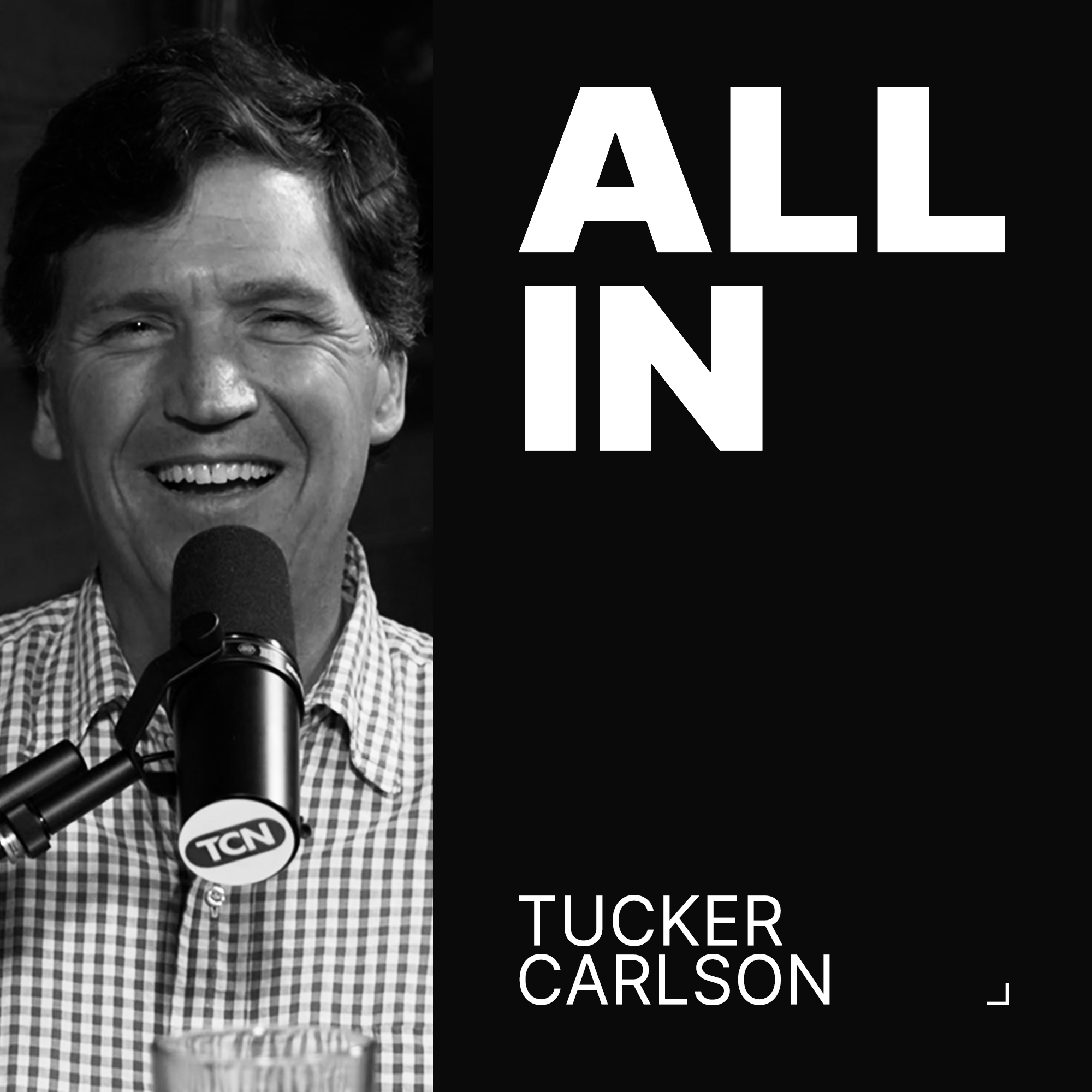
Tucker Carlson argues that legacy media brands have lost their power to shape public opinion. Their value is now primarily brand recognition, not their content's impact. True cultural influence has shifted to decentralized, creator-driven platforms like YouTube and X.
The acquisition of Bari Weiss's newsletter by Paramount wasn't just a media sale; it was an 'acquihire' that made her Editor in Chief of CBS News. This demonstrates that a successful newsletter can serve as a powerful portfolio to secure top executive positions, not just to generate revenue or sell a media asset.
Large media companies are slow to adopt new platforms like Substack. However, once one major player makes a move (e.g., Bloomberg launching Substacks), it triggers a "fast follow" reaction from competitors. This predictable herd mentality creates strategic windows for creators on those platforms to pursue acquisitions.
![Media M&A - [Business Breakdowns, EP.230] thumbnail](https://megaphone.imgix.net/podcasts/8404be2a-a3c6-11f0-9d01-7b00b28a9d50/image/9a48597af1149c3b024e8d2f7327aa89.jpg?ixlib=rails-4.3.1&max-w=3000&max-h=3000&fit=crop&auto=format,compress)
New media ventures are adopting the aesthetics of established networks like ESPN to build credibility. This 'neo-trad' approach blends old-media trust with new-media distribution and agility, creating a powerful branding strategy for reaching mainstream audiences.

Even though anyone can create media, legacy brands like The New York Times retain immense power. Their established brands are perceived by the public as more authoritative and trustworthy, giving them a 'monopoly on truth' that new creators lack.

The value of an asset like CBS isn't its current content but its decades-old brand recognition and trust. This brand equity is a moat that cannot be built overnight, regardless of funding. Even a $50 billion fundraise couldn't instantly create a competitor with the same perceived authority and history.

The impact of a media story isn't measured solely by audience size. Its real influence can stem from capturing the attention of a few powerful figures, like Donald Trump, who then amplify the narrative and shape political discourse, as seen with the saga around Barry Weiss and CBS News.

Legacy media, like The Wall Street Journal, are hiring coaches to help reporters build personal brands. This mimics the success of social media creators who are displacing journalists on the press circuit for major celebrity and political interviews.

The high-stakes bidding war for Warner Bros. is seen as driven by media executives' desire to reclaim the news cycle, which has been dominated by politics and AI. The acquisitions are a strategy for regaining cultural relevance as much as they are about business consolidation.
