Get your free personalized podcast brief
We scan new podcasts and send you the top 5 insights daily.
The old model of a censor red-penning articles is outdated. The new strategy, seen in Hungary and Turkey, involves the state helping political allies acquire newspapers and TV stations, thereby controlling the narrative at the ownership level.

Related Insights
Unlike historical propaganda which used centralized broadcasts, today's narrative control is decentralized and subtle. It operates through billions of micro-decisions and algorithmic nudges that shape individual perceptions daily, achieving macro-level control without any overt displays of power.

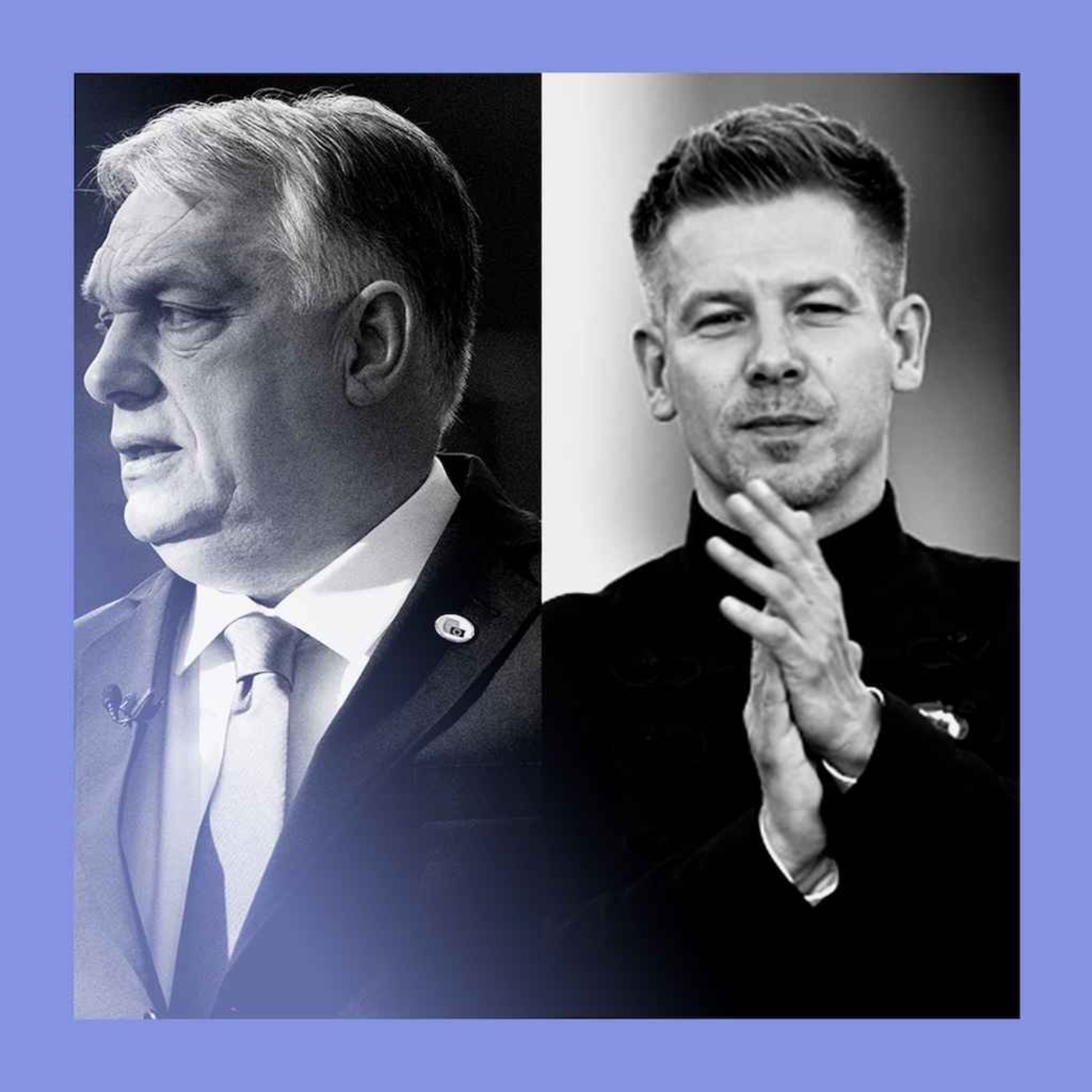
Orbán pioneered a method to turn a democracy into an autocracy not through violence, but through complex legal, economic, and media control. This model serves as an inspiration for nationalist movements globally, including the MAGA movement in the U.S., making Hungary a critical test case.
OpenAI's purchase of the tech podcast TBPN exemplifies a growing corporate strategy: buying or building media platforms to bypass critical journalists. This "owned media" approach allows companies to shape their own narrative, though it risks lacking authenticity and credibility.

The modern form of government censorship has evolved beyond fighting disinformation (lies) to combating "malinformation." This is information that is factually true but deemed socially or politically inconvenient. This shift represents a move toward an Orwellian "ministry of truth" where inconvenient facts are suppressed.
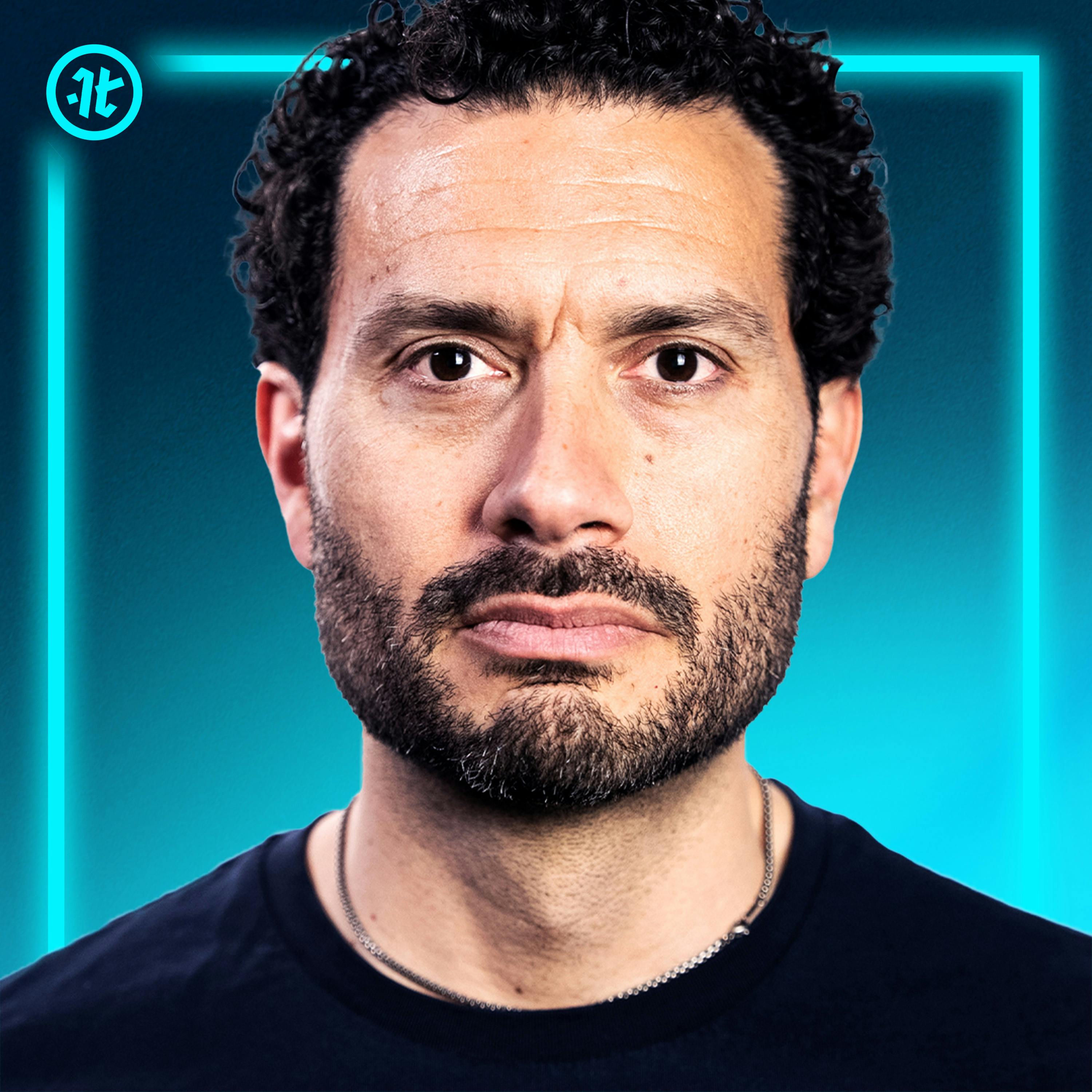
AI companies manage media coverage by offering or withholding access to top executives. By dangling this 'carrot,' they implicitly pressure journalists and podcasters to provide favorable coverage and avoid platforming critics, thus controlling the public narrative.

The contemporary threat to democracy isn't a violent overthrow. It's a gradual erosion of neutral institutions like courts, media, and electoral commissions by leaders who were democratically elected, a model pioneered by Hungary's Viktor Orbán.
When direct censorship is unconstitutional, governments pressure intermediaries like tech companies, banks, or funded NGOs to suppress speech. These risk-averse middlemen comply to stay in the government's good graces, effectively doing the state's dirty work.
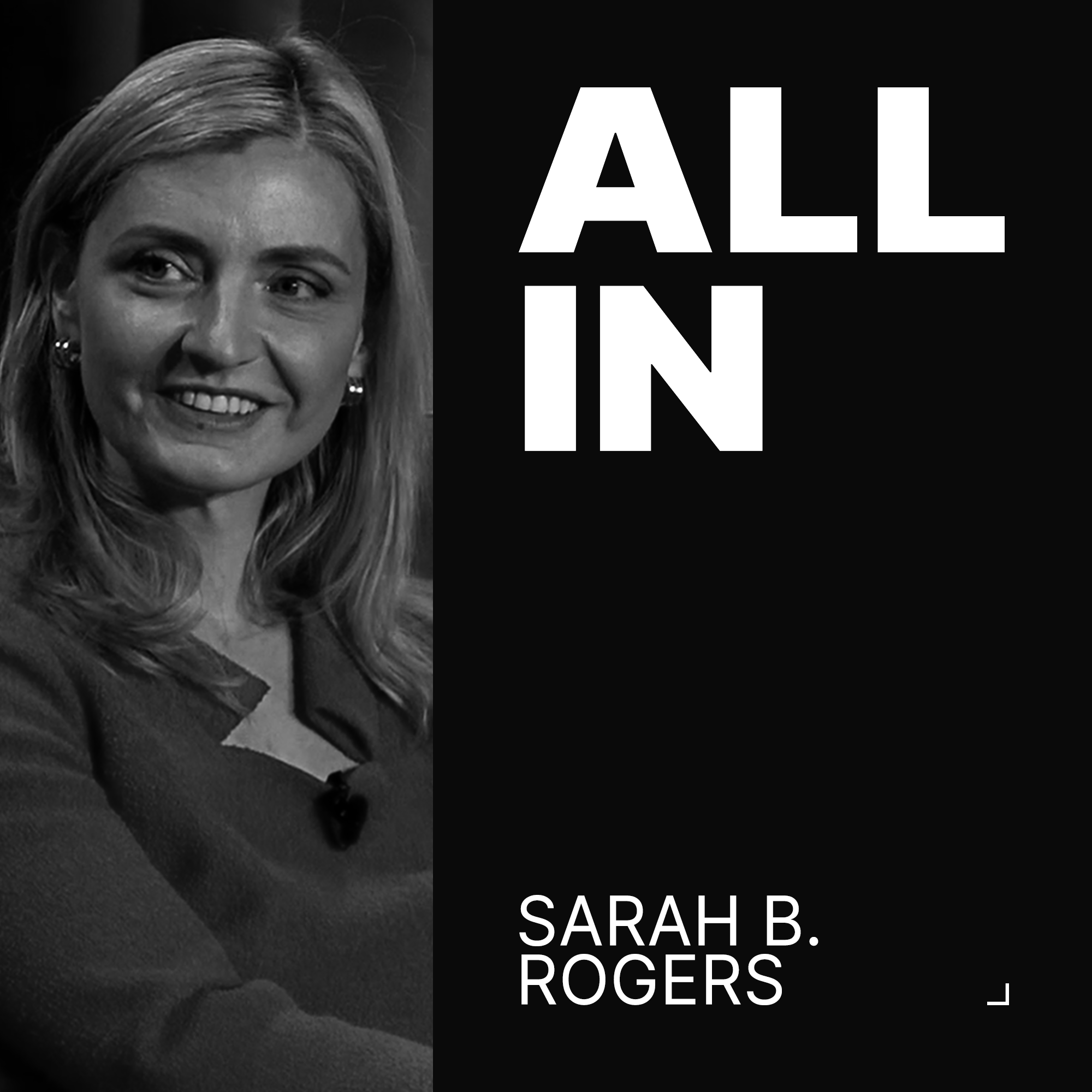
While public trust in mainstream media has plummeted, it remains highly influential among political elites. Government officials react strongly to headlines from legacy outlets, making MSM a surprisingly powerful and undervalued asset for influencing policy and power.

Turkey's President Erdoğan is strategically leveraging his country's geopolitical importance—as a mediator and key NATO ally amid regional conflicts—to distract from domestic problems like inflation and his crackdown on political opposition. This makes Western allies overlook his autocratic excesses to keep Turkey on their side, providing him more room for domestic repression.

A power inversion is happening in media access. Politicians actively seek appearances on creator shows, known for softer content, while legacy news outlets struggle to get interviews. This highlights a strategic shift where politicians prioritize friendly mass reach over journalistic scrutiny.