Get your free personalized podcast brief
We scan new podcasts and send you the top 5 insights daily.
China uses small, independent "teapot" refineries to buy sanctioned oil from nations like Iran. These entities are more risk-tolerant than state-owned giants because they have little exposure to the U.S. dollar system. This parallel structure allows China to secure cheap energy while its major firms avoid direct sanctions risk.

Related Insights
By leveraging its teapot refineries to purchase crude from sanctioned nations like Iran and Venezuela, China capitalizes on significant price discounts. A Reuters report calculated that this strategy saved the country approximately $10 billion on crude oil imports in a single year, highlighting a major economic benefit of its geopolitical positioning.
Sanctions on major Russian oil companies don't halt exports but instead push them into opaque channels. Russia uses independent traders and restructured ownership to create "unknown" cargos, removing sanctioned company names from documents. This model, proven with smaller firms, maintains export volumes while obscuring the oil's origin.

Nations like Russia and Iran utilize a "shadow fleet" of tankers to bypass international sanctions. These ships engage in clandestine activities, such as broadcasting false location data ("spoofing") and making illegal flag changes, forming what one official called a "Russian-Iranian axis of sanctions evasion."
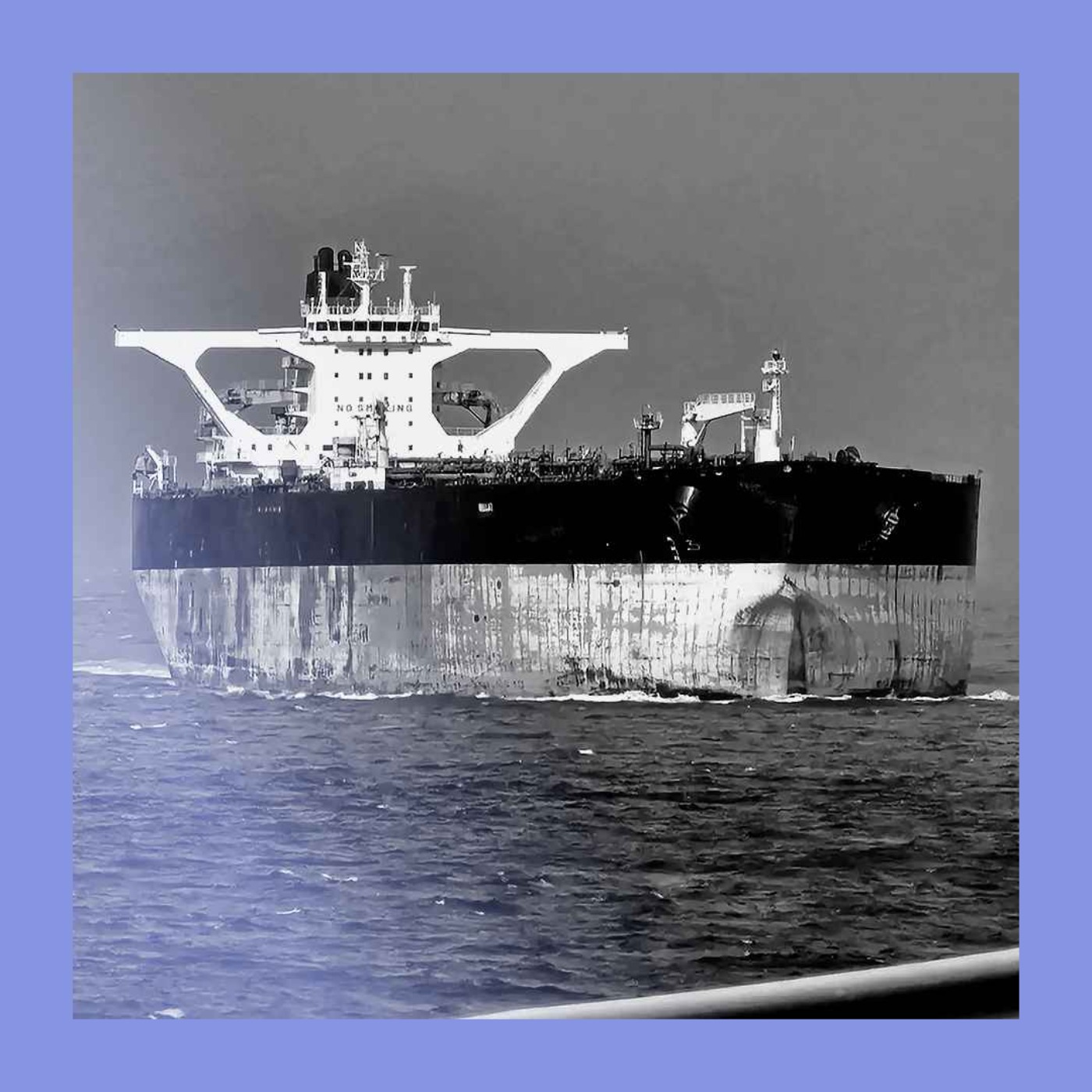
Protests in Iran, if they disrupt the regime, could halt cheap oil flows to China. This would force China to buy from more expensive, US-friendly markets, strengthening the US dollar's global dominance and isolating anti-Western powers without direct US intervention.

China's independent refiners, known as "Shandong teapots," benefit significantly from sanctioned oil. They purchase discounted crude from countries like Venezuela, boosting their margins and supporting local economies. This trade is often conducted in renminbi, furthering China's goal of de-dollarization in energy markets.

Due to sanctions, Iran's oil exports go almost exclusively to China. This monopsony gives Beijing immense leverage, allowing it to demand deep price discounts and pay in yuan. The funds are held in Chinese banks, restricting Iran to using them only for Chinese goods, crippling its ability to buy essentials elsewhere.
Despite rhetoric about a new global axis, the China-Iran relationship is highly asymmetric. Iran sells over 80% of its crude to China, but this is only about 10% of China's supply. This dependency gives China leverage to remain uninvested in Iran's political survival, viewing it as a useful but disposable partner.

China employs "weaponized pricing" by offering refining services at a negative cost, effectively paying countries to process their copper. This tactic makes it impossible for Western refiners to compete, ensuring China maintains its stranglehold on the critical midstream supply chain.

Each time the U.S. uses financial sanctions, it demonstrates the risks of relying on the dollar system. This incentivizes adversaries like Russia and China to accelerate the development of parallel financial infrastructure, weakening the dollar's long-term network effect and dominance.

As Russia redirects crude, China has become a key buyer, increasing imports so much that they now exceed an informal 20% cap on any single supplier's share. This signals a strategic energy policy shift and highlights China's role as a willing buyer for sanctioned Russian barrels.