Get your free personalized podcast brief
We scan new podcasts and send you the top 5 insights daily.
Despite his stated goal of lowering oil prices, President Trump's aggressive sanctions on Venezuela, Iran, and Russia have removed significant supply from the market. This creates logistical bottlenecks and "oil on water" buildups, effectively tightening the market and keeping prices higher than they would be otherwise.

Related Insights
The prospect of reviving Venezuela's vast but dormant oil industry introduces significant potential for increased global supply. Morgan Stanley suggests this could suppress prices in the medium-term, a counter-intuitive outcome where resolving geopolitical tension leads to lower commodity prices rather than higher ones.

Despite new US sanctions on Russian oil producers, Goldman Sachs remains bearish, forecasting a decline. They argue that spare capacity from OPEC, exemptions for buyers, and the reorganization of trade networks will mitigate any supply disruption, preventing a sustained price spike and leading to lower prices by 2026.

Sanctions on major Russian oil companies don't halt exports but instead push them into opaque channels. Russia uses independent traders and restructured ownership to create "unknown" cargos, removing sanctioned company names from documents. This model, proven with smaller firms, maintains export volumes while obscuring the oil's origin.

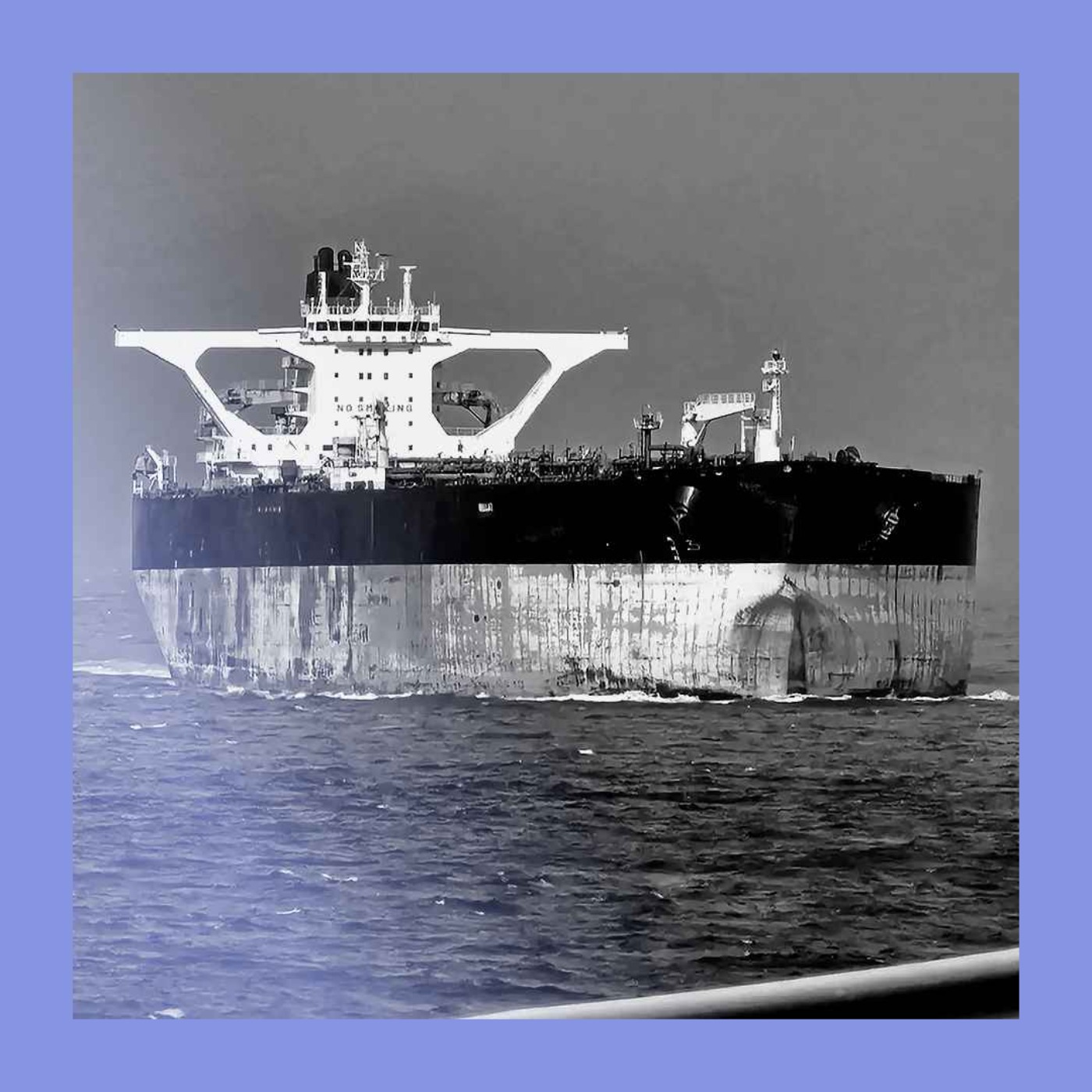
Nations like Russia and Iran utilize a "shadow fleet" of tankers to bypass international sanctions. These ships engage in clandestine activities, such as broadcasting false location data ("spoofing") and making illegal flag changes, forming what one official called a "Russian-Iranian axis of sanctions evasion."
China's independent refiners, known as "Shandong teapots," benefit significantly from sanctioned oil. They purchase discounted crude from countries like Venezuela, boosting their margins and supporting local economies. This trade is often conducted in renminbi, furthering China's goal of de-dollarization in energy markets.

Trump's actions are guided by a political balancing act. Research shows negative media mentions spike when gasoline exceeds $3.50/gallon. Conversely, crude below $50-$60/barrel hurts his producer base. This creates a "parabola of political price pressure," incentivizing him to keep prices within a politically safe band.
Russia has dramatically shifted its oil trade away from the U.S. dollar, with only 5% of exports now settled in USD, down from 55% in 2022. While this circumvents direct financial sanctions, Russia remains vulnerable as key logistics like freight and insurance are still dollar-linked, increasing costs and complexity.
The primary impact of U.S. sanctions on Russian oil is not a reduction in supply but a compression of profit margins. Russia is forced to offer deeper discounts, estimated at $3-$5 per barrel below pre-sanction levels, to compensate buyers for increased logistical and financial risks, ensuring export flows remain stable.
The 30-50 million barrels of Venezuelan oil the White House claims to be releasing is not new supply. It's largely oil that was already produced but couldn't be exported due to the U.S. blockade. Releasing it is more of a reversal of a self-inflicted disruption than an injection of fresh barrels into the market.
The Trump administration's intervention in Venezuela is overtly focused on securing oil to lower global prices, rather than promoting human rights. The plan involves seizing and selling Venezuelan oil with the president personally controlling the proceeds in what critics are calling "high tech piracy."